USDAOfficial guidance
USDA FoodKeeper – Cold Storage Guidelines
Official refrigerator, freezer, and pantry timelines maintained by the U.S. Department of Agriculture.
Visit USDA FoodKeeperLast reviewed: January 2026
Reviewed by the Can I Eat Expired Editorial Team using official USDA, FDA, and CDC food safety guidance. How we assess food safety risk
Storage conditions, initial freshness, and proper handling change the answer — and those details are easy to miss.
Get a yes / no answer for your vital wheat gluten →
Check Your Exact SituationThis food is often safe when handled and stored properly, but safety depends on how it's been kept and whether any spoilage signs are present.
⏱️ Safe for up to 30 days after expiry if properly stored and showing no spoilage signs.
Pantry
20-25°C / 68-77°F (room temperature)
Store in an airtight container in a cool, dry place to prevent moisture absorption and maintain freshness.
Baking ingredients like flour and sugar stay fresher when protected from moisture and pests. airtight storage containers (Amazon) help prevent clumping, spoilage, and pest contamination.
365 days
180 days
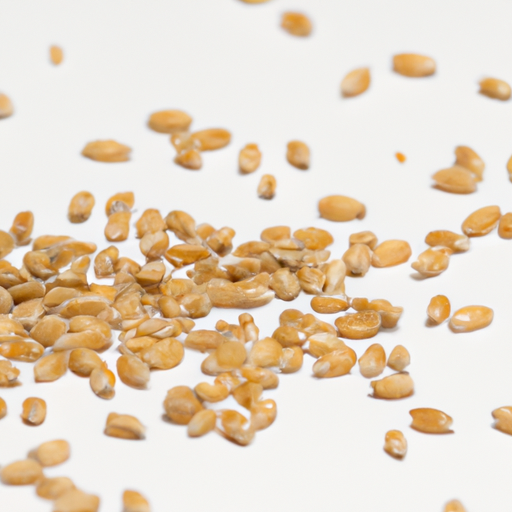
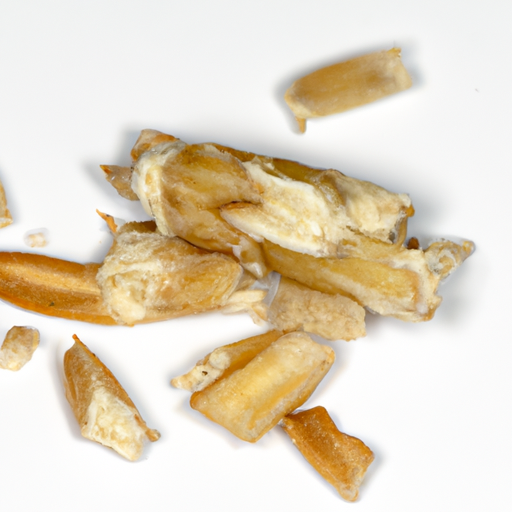
Vital wheat gluten can become hard, clumpy, or develop an off odor. If it has changed color or shows signs of mold, it should be discarded.
Vital wheat gluten is primarily used for making seitan, a meat substitute, but can also enhance the texture of baked goods.
For a similar texture in recipes, use bread flour or a combination of flour and xanthan gum, though results may vary.
The expiration date indicates when the product may no longer be at its best quality. It can often be used beyond this date if stored properly, but quality may decline.
To determine if Vital Wheat Gluten has gone bad, check for any discoloration or clumping in the powder, as it should be a light tan color and free-flowing. Sniff the product; if it has a sour or off smell, it’s best to discard it. Additionally, if the texture feels unusually gritty or damp instead of dry and powdery, it may no longer be good to use.
While vital wheat gluten is low risk for foodborne illness, improper storage can lead to contamination. Always check for signs of spoilage before use.
To extend shelf life, consider vacuum sealing the product after opening. This minimizes exposure to air and moisture.
Vital wheat gluten is a key ingredient in many vegetarian and vegan diets, often used in Asian cuisines to create meat-like textures.
Once opened, Vital Wheat Gluten can be stored in your pantry for up to 365 days. After opening, it's important to keep it sealed tightly to maintain freshness. If stored properly, you can still safely consume it for an additional 30 days after the expiration date, but always check for any signs of spoilage before use.
It's not recommended to consume Vital Wheat Gluten that has been left at room temperature for several days. While it has a low risk level, prolonged exposure to warm temperatures can affect its quality and lead to spoilage. Ideally, keep it in a cool, dry place and return any unused portions to the pantry promptly after use.
Yes, the type of container can significantly impact the shelf life of Vital Wheat Gluten. Airtight containers are the best choice as they keep moisture and air out, preserving freshness. If you store it in a non-airtight container, it may absorb odors and moisture from the environment, which can reduce its quality over time.
Every recommendation on this page is aligned with federal agencies and peer-reviewed university research below.
Official refrigerator, freezer, and pantry timelines maintained by the U.S. Department of Agriculture.
Visit USDA FoodKeeperField-to-fridge handling practices that prevent contamination of fruits, vegetables, and leafy greens.
Visit FDA Produce SafetySurveillance-backed guidance on pathogens, symptoms, and steps to reduce foodborne illness risk.
Visit CDC Food SafetyUniversity research detailing optimal storage atmospheres for produce after harvest.
Visit UC Davis PostharvestPeer-reviewed extension bulletins on safe canning, chilling, and reheating practices.
Visit Penn State ExtensionStorage: Pantry
View guide →
Storage: Cool Dark Place
View guide →
Storage: Fridge
View guide →
Storage: Pantry
View guide →
Storage: Pantry
View guide →
Storage: Pantry
View guide →
Storage: Pantry
View guide →
Storage: Pantry
View guide →
Storage: Pantry
View guide →
Important: These are general guidelines based on authoritative sources listed above. Always use your best judgment and when in doubt, throw it out.
Disclosure: As an Amazon Associate, we earn from qualifying purchases. This helps support our site and allows us to continue providing free food safety information.