USDAOfficial guidance
USDA FoodKeeper – Cold Storage Guidelines
Official refrigerator, freezer, and pantry timelines maintained by the U.S. Department of Agriculture.
Visit USDA FoodKeeperStorage conditions, initial freshness, and proper handling change the answer — and those details are easy to miss.
Get a yes / no answer for your vegan buddha bowl →
Check Your Exact Situation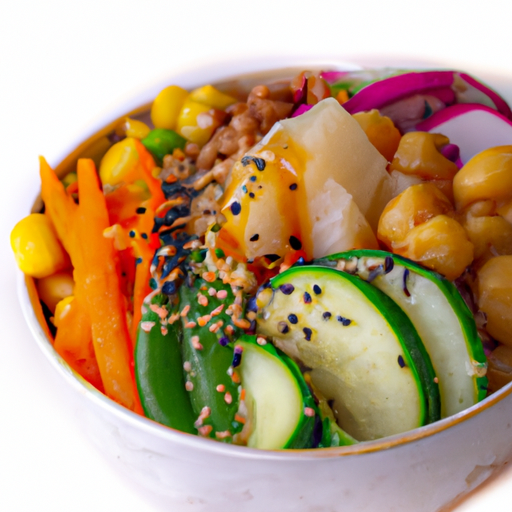
Last reviewed: January 2026
Reviewed by the Can I Eat Expired Editorial Team using official USDA, FDA, and CDC food safety guidance. How we assess food safety risk
This food is often safe when handled and stored properly, but safety depends on how it's been kept and whether any spoilage signs are present.
⏱️ Safe for up to 1 day after expiry if properly stored and showing no spoilage signs.
Fridge
4°C (40°F)
Keep sealed, consume within 5 days
5 days
Off smell, wilted greens, mold on grains
Use as a meal base for other dishes
Grain bowls, salad
The expiration date on a Vegan Buddha Bowl will depend on the ingredients used, but typically it should be consumed within 3-5 days if stored properly in the refrigerator. The best quality of the Buddha Bowl, however, is within the first 1-2 days when the vegetables are at their freshest and the flavors are most vibrant. After this time, the vegetables may start to wilt and lose their crunch, affecting the overall eating experience.
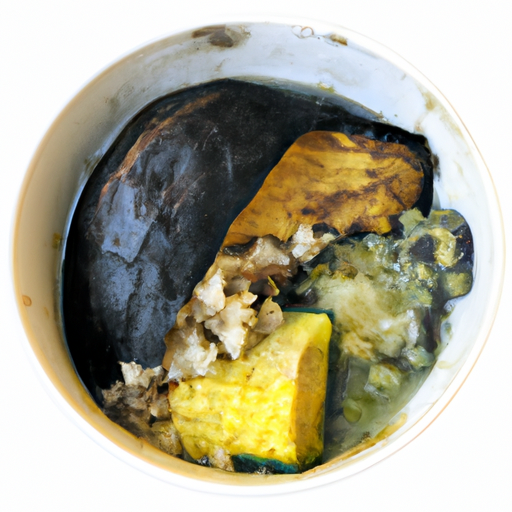
To determine if a Vegan Buddha Bowl has gone bad, check for any visible mold or discoloration on the ingredients. Sniff the bowl for any sour or off odors. Lastly, feel the texture of the ingredients - if they are slimy or mushy, it's best to discard the bowl.
While Vegan Buddha Bowls are generally considered safe, there are some food safety risks to be aware of. Since Buddha Bowls typically contain a variety of fresh vegetables, it is important to ensure that they are washed thoroughly to remove any dirt or contaminants. Additionally, if the Buddha Bowl has been left out at room temperature for more than 2 hours, it should be discarded to prevent bacterial growth. Cross-contamination is also a concern when preparing Vegan Buddha Bowls, so make sure to use separate cutting boards and utensils for raw vegetables and other ingredients.
To optimize the storage of a Vegan Buddha Bowl, consider storing the components separately if possible. Keep the dressing on the side to prevent the vegetables from getting soggy. When storing in the refrigerator, use airtight containers to maintain freshness and prevent odors from other foods affecting the flavors of the Buddha Bowl. Before serving leftovers, give the bowl a quick toss to redistribute the dressing and revive any wilted vegetables.
The Buddha Bowl is a popular dish in the health and wellness community due to its nutrient-dense ingredients and customizable nature. The name 'Buddha Bowl' is said to have originated from the idea of a bowl filled with food that is so full, it has a rounded 'belly' appearance, similar to the belly of Buddha statues. This dish is not only visually appealing but also reflects the balance and harmony of ingredients it contains.
If Vegan Buddha Bowl has been left at room temperature for a few hours, it's best to refrigerate it promptly. Harmful bacteria can multiply rapidly in the danger zone (between 40°F - 140°F). If it has been out for more than 2 hours, it's safer to discard it to reduce the risk of foodborne illness.
Once opened, Vegan Buddha Bowl can be safely consumed within 3 days if stored in the refrigerator at or below 40°F. Be sure to cover the bowl tightly with a lid or plastic wrap to maintain freshness and prevent contamination.
The choice of container can impact the shelf life of Vegan Buddha Bowl. Opt for airtight containers to preserve freshness and prevent moisture loss. Glass or BPA-free plastic containers are ideal for storing ready-to-eat meals like Buddha Bowl to maintain quality and extend shelf life.
Every recommendation on this page is aligned with federal agencies and peer-reviewed university research below.
Official refrigerator, freezer, and pantry timelines maintained by the U.S. Department of Agriculture.
Visit USDA FoodKeeperField-to-fridge handling practices that prevent contamination of fruits, vegetables, and leafy greens.
Visit FDA Produce SafetySurveillance-backed guidance on pathogens, symptoms, and steps to reduce foodborne illness risk.
Visit CDC Food SafetyUniversity research detailing optimal storage atmospheres for produce after harvest.
Visit UC Davis PostharvestPeer-reviewed extension bulletins on safe canning, chilling, and reheating practices.
Visit Penn State ExtensionImportant: These are general guidelines based on authoritative sources listed above. Always use your best judgment and when in doubt, throw it out.