USDAOfficial guidance
USDA FoodKeeper – Cold Storage Guidelines
Official refrigerator, freezer, and pantry timelines maintained by the U.S. Department of Agriculture.
Visit USDA FoodKeeperLast reviewed: January 2026
Reviewed by the Can I Eat Expired Editorial Team using official USDA, FDA, and CDC food safety guidance. How we assess food safety risk
Storage temperature, how long it has been opened, and package integrity change the answer — and those details are easy to miss.
Get a yes / no answer for your un uht milk →
Check Your Exact SituationThis food is often safe when handled and stored properly, but safety depends on how it's been kept and whether any spoilage signs are present.
⏱️ Safe for up to 30 days after expiry if properly stored and showing no spoilage signs.
Pantry
50-70°F (10-21°C)
Store in cool dry place. Avoid temperature fluctuations. Check package integrity.
Dairy products require consistent cold storage (40°F or below) to prevent spoilage. A refrigerator thermometer (Amazon) helps ensure your refrigerator maintains safe temperatures.
180 days
365 days
Package damage, unusual odor when opened, expired date
Transferring opened dairy into an airtight container (Amazon) can reduce odor absorption and moisture exposure.
Emergency supplies, camping
Regular milk, powdered milk
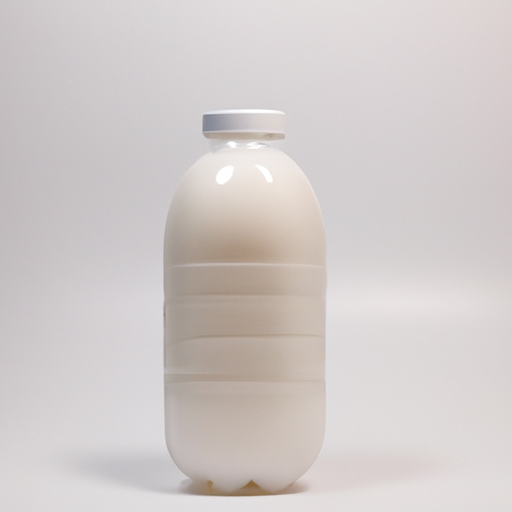
The expiration date on UHT milk refers to the date until which the milk is guaranteed to remain safe to consume if unopened and properly stored. It is important to note that UHT milk can still be safe to consume beyond the expiration date if stored correctly, but its quality in terms of taste and nutritional value may deteriorate over time. The 'best quality' date, on the other hand, indicates the period during which the milk is expected to taste and perform at its best.
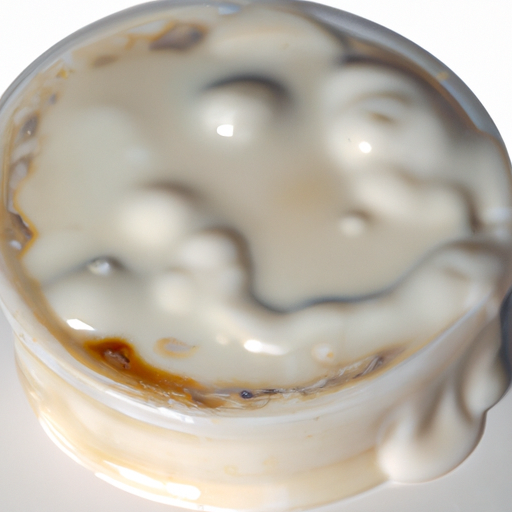
To determine if unopened UHT milk has gone bad, look for any signs of curdling, separation, or unusual discoloration. Check for an off smell or sour odor when opening the container. Additionally, if the texture appears lumpy or slimy, it's best to discard the milk.
Unopened UHT (Ultra High Temperature) milk is aseptically packaged at high temperatures to kill harmful bacteria and extend its shelf life. However, once the packaging is opened, it can be susceptible to contamination by harmful bacteria such as Salmonella, E. coli, and Listeria. It is crucial to refrigerate the milk promptly after opening and consume it within a few days to reduce the risk of foodborne illness.
To optimize the storage of unopened UHT milk, store it in a cool, dry place away from direct sunlight. Once opened, transfer any remaining milk to a clean, airtight container and refrigerate it at or below 40°F (4°C). Avoid leaving the milk out at room temperature for extended periods to prevent bacterial contamination. If the milk develops an off smell, taste, or appearance, discard it to avoid the risk of foodborne illness.
UHT milk has gained popularity worldwide for its convenience and long shelf life. In some countries where access to fresh milk is limited, UHT milk serves as a crucial source of dairy nutrition. Interestingly, UHT milk was first developed in the 1960s in response to the need for a milk product that could be stored without refrigeration, making it suitable for distribution in areas with unreliable access to electricity.
Unopened Uht Milk should not be left in a hot car for more than 2 hours, especially in temperatures above 90°F (32°C). Extended exposure to heat can affect the quality and safety of the milk, potentially leading to spoilage even before opening.
If Unopened Uht Milk has been stored properly in the refrigerator for 200 days, it is safe to consume as long as the packaging remains intact and there are no signs of spoilage. Check for any off smells, curdling, or unusual texture before consuming.
The shelf life of Unopened Uht Milk is not significantly affected by the type of packaging, as long as it is unopened and stored properly. Both cartons and plastic containers can preserve the milk equally well. However, once opened, transfer any remaining milk to an airtight container to maintain freshness.
Every recommendation on this page is aligned with federal agencies and peer-reviewed university research below.
Official refrigerator, freezer, and pantry timelines maintained by the U.S. Department of Agriculture.
Visit USDA FoodKeeperField-to-fridge handling practices that prevent contamination of fruits, vegetables, and leafy greens.
Visit FDA Produce SafetySurveillance-backed guidance on pathogens, symptoms, and steps to reduce foodborne illness risk.
Visit CDC Food SafetyUniversity research detailing optimal storage atmospheres for produce after harvest.
Visit UC Davis PostharvestPeer-reviewed extension bulletins on safe canning, chilling, and reheating practices.
Visit Penn State ExtensionStorage: Fridge
View guide →
Storage: Fridge
View guide →
Storage: Fridge
View guide →
Storage: Fridge
View guide →
Storage: Fridge
View guide →
Storage: Fridge
View guide →
Storage: Fridge
View guide →
Storage: Fridge
View guide →
Storage: Fridge
View guide →
Important: These are general guidelines based on authoritative sources listed above. Always use your best judgment and when in doubt, throw it out.
Disclosure: As an Amazon Associate, we earn from qualifying purchases. This helps support our site and allows us to continue providing free food safety information.