USDAOfficial guidance
USDA FoodKeeper – Cold Storage Guidelines
Official refrigerator, freezer, and pantry timelines maintained by the U.S. Department of Agriculture.
Visit USDA FoodKeeperLast reviewed: January 2026
Reviewed by the Can I Eat Expired Editorial Team using official USDA, FDA, and CDC food safety guidance. How we assess food safety risk
This food is often safe when handled and stored properly, but safety depends on how it's been kept and whether any spoilage signs are present.
⏱️ Safe for up to 365 days after expiry if properly stored and showing no spoilage signs.
Storage conditions, initial freshness, and proper handling change the answer — and those details are easy to miss.
Get a yes / no answer for your un lima beans →
Check Your Exact Situation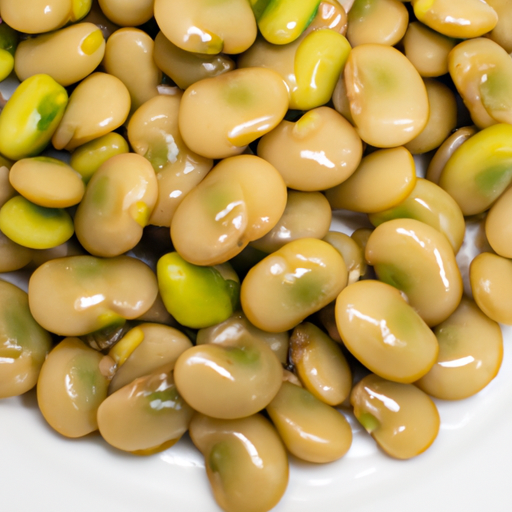
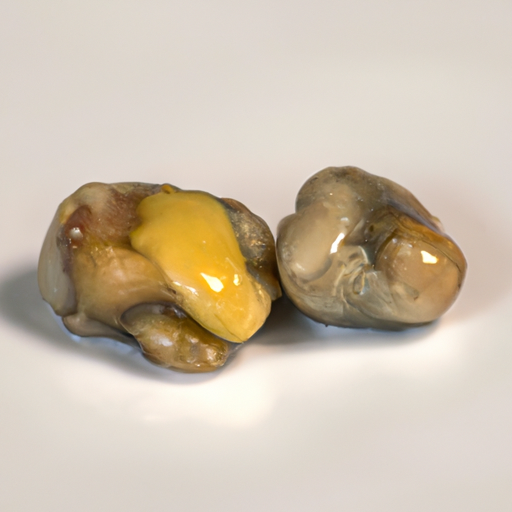
Pantry
50-70°F (10-21°C)
Store in cool dry place. Avoid temperature fluctuations. Check can integrity regularly.
1095 days
Bulging can, rust, dents along seams, leaking, off odor when opened
Soups, stews, casseroles, side dishes
Other canned beans, dried lima beans
The expiration date on canned Lima beans indicates the date until which the product is expected to be at its peak quality in terms of taste and texture. Consuming the beans after the expiration date might not necessarily pose a health risk, but the quality, taste, and nutritional value may deteriorate. It is always recommended to consume canned goods before the expiration date for the best quality experience.
To determine if unopened canned lima beans have gone bad, check for any signs of rust, dents, or bulging on the can. Inspect the beans for any unusual discoloration, mold, or off-putting odors when you open the can. Additionally, ensure that the beans maintain their firm texture and do not appear mushy or slimy.
Unopened canned Lima beans are generally considered safe to consume as long as the can is intact, not bulging, leaking, or showing any signs of damage. However, it is essential to check for any expiration dates and to store the cans in a cool, dry place. If the can shows any signs of damage, it is best to discard the product to prevent the risk of botulism or other foodborne illnesses.
To optimize the storage of unopened canned Lima beans, it is best to keep them in a cool, dry place away from direct sunlight and moisture. Avoid storing cans near heat sources or in areas with high humidity, as these conditions can affect the quality of the beans. Additionally, rotating your canned goods by consuming the oldest ones first can help ensure that you enjoy them at their best quality.
Lima beans have a long history and are a staple in many cuisines around the world. They are a rich source of protein, dietary fiber, and essential nutrients like folate and magnesium. In some cultures, Lima beans are considered a symbol of good luck and prosperity, often included in traditional dishes for special occasions or celebrations.
You can safely consume Unopened Canned Lima Beans up to a year after the expiry date if the can is undamaged, stored properly, and shows no signs of spoilage like bulging, rust, or leakage. Always inspect the contents for any off-putting odors, colors, or textures before consuming.
Unopened Canned Lima Beans are best stored in a cool, dry place. If the can has been exposed to extreme temperatures (very hot or freezing), it may affect the quality and taste of the beans. Check for any physical changes in the can like swelling, leaks, or rust, which may indicate spoilage.
The type of container plays a significant role in preserving the quality of Unopened Canned Lima Beans. Cans with intact seals protect the beans better than dented or damaged cans. Opt for BPA-free cans for long-term storage to avoid any potential chemical leaching.
Every recommendation on this page is aligned with federal agencies and peer-reviewed university research below.
Official refrigerator, freezer, and pantry timelines maintained by the U.S. Department of Agriculture.
Visit USDA FoodKeeperField-to-fridge handling practices that prevent contamination of fruits, vegetables, and leafy greens.
Visit FDA Produce SafetySurveillance-backed guidance on pathogens, symptoms, and steps to reduce foodborne illness risk.
Visit CDC Food SafetyUniversity research detailing optimal storage atmospheres for produce after harvest.
Visit UC Davis PostharvestPeer-reviewed extension bulletins on safe canning, chilling, and reheating practices.
Visit Penn State ExtensionImportant: These are general guidelines based on authoritative sources listed above. Always use your best judgment and when in doubt, throw it out.