USDAOfficial guidance
USDA FoodKeeper – Cold Storage Guidelines
Official refrigerator, freezer, and pantry timelines maintained by the U.S. Department of Agriculture.
Visit USDA FoodKeeperStorage conditions, initial freshness, and proper handling change the answer — and those details are easy to miss.
Get a yes / no answer for your turmeric curcumin capsules →
Check Your Exact Situation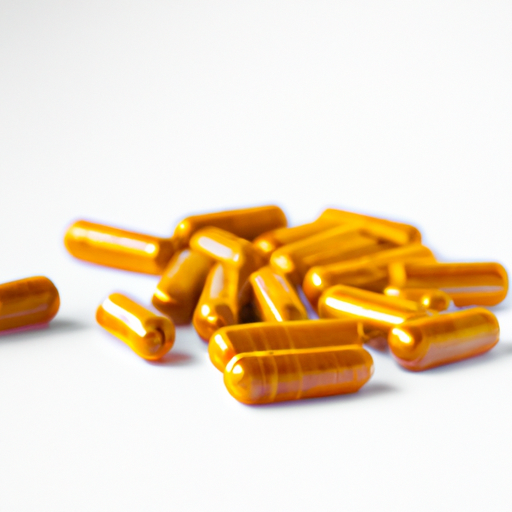
Last reviewed: January 2026
Reviewed by the Can I Eat Expired Editorial Team using official USDA, FDA, and CDC food safety guidance. How we assess food safety risk
This food is often safe when handled and stored properly, but safety depends on how it's been kept and whether any spoilage signs are present.
⏱️ Safe for up to 30 days after expiry if properly stored and showing no spoilage signs.
Pantry
68°F (20°C)
Keep in original container away from sunlight and moisture.
730 days
Change in color, unusual odor, clumping of capsules
May help with inflammation and joint health.
Turmeric Curcumin Capsules do not have a strict expiration date but may lose potency and effectiveness over time. It is recommended to consume them within 1-2 years of purchase for optimal benefits. While expired capsules may not cause harm, their efficacy might be reduced. The best quality capsules will have a strong aroma and vibrant color, indicating the presence of active compounds.
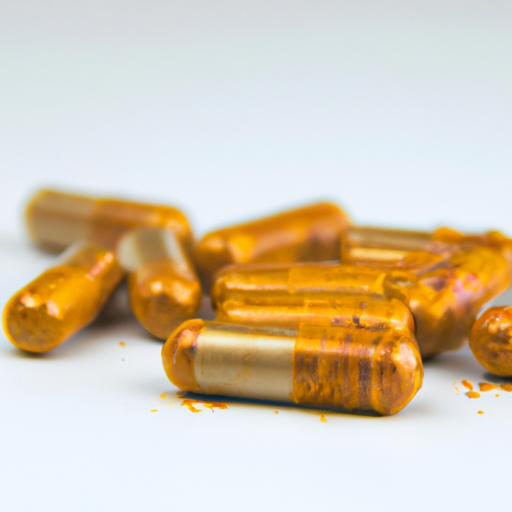
To determine if Turmeric Curcumin Capsules have gone bad, visually inspect them for any discoloration, mold, or moisture inside the container. Check for any unusual or foul odors coming from the capsules. Lastly, feel the texture of the capsules - they should not be clumped together or have a soft or sticky consistency.
Turmeric Curcumin Capsules are generally safe for consumption, but contamination with harmful bacteria or fungi can occur if proper hygiene and storage practices are not followed. It is important to keep the capsules dry and away from moisture to prevent microbial growth. Individuals with allergies to turmeric or curcumin should avoid these supplements to prevent adverse reactions.
To maintain the quality of Turmeric Curcumin Capsules, store them in a cool, dry place away from direct sunlight and humidity. Avoid exposing the capsules to air for extended periods to prevent oxidation. Keeping the container tightly sealed and using desiccants can help prolong the shelf life of the capsules. It is recommended to consult a healthcare provider before starting any supplements.
Turmeric has been used for centuries in traditional medicine and culinary practices across various cultures. Known for its anti-inflammatory properties, turmeric is often referred to as the 'golden spice' for its vibrant color and health benefits. In Indian culture, turmeric is considered auspicious and is used in religious ceremonies and rituals.
If Turmeric Curcumin Capsules have been exposed to high temperatures in a hot car for a few hours, their quality may have deteriorated. It's best to avoid consuming them to prevent potential health risks. Extreme temperatures can impact the potency and effectiveness of the capsules.
Storing Turmeric Curcumin Capsules in a plastic container may not significantly impact their shelf life if the container is airtight and kept in a cool, dry place. However, plastic containers may not offer the same protection against light exposure compared to opaque containers, potentially affecting the potency of the capsules over time.
It is generally safe to store Turmeric Curcumin Capsules next to probiotics supplements as long as both are sealed properly to prevent cross-contamination. However, to maintain optimal potency and efficiency, it's advisable to store each supplement separately in their original packaging or airtight containers to avoid any potential interaction between the ingredients.
Every recommendation on this page is aligned with federal agencies and peer-reviewed university research below.
Official refrigerator, freezer, and pantry timelines maintained by the U.S. Department of Agriculture.
Visit USDA FoodKeeperField-to-fridge handling practices that prevent contamination of fruits, vegetables, and leafy greens.
Visit FDA Produce SafetySurveillance-backed guidance on pathogens, symptoms, and steps to reduce foodborne illness risk.
Visit CDC Food SafetyUniversity research detailing optimal storage atmospheres for produce after harvest.
Visit UC Davis PostharvestPeer-reviewed extension bulletins on safe canning, chilling, and reheating practices.
Visit Penn State ExtensionImportant: These are general guidelines based on authoritative sources listed above. Always use your best judgment and when in doubt, throw it out.