USDAOfficial guidance
USDA FoodKeeper – Cold Storage Guidelines
Official refrigerator, freezer, and pantry timelines maintained by the U.S. Department of Agriculture.
Visit USDA FoodKeeperStorage conditions, initial freshness, and proper handling change the answer — and those details are easy to miss.
Get a yes / no answer for your thai green curry vegan →
Check Your Exact Situation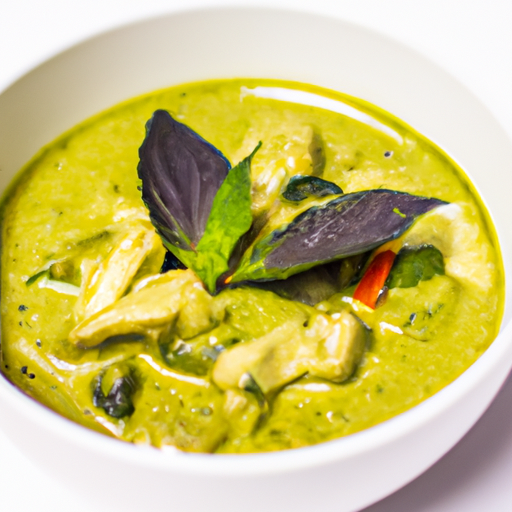
Last reviewed: January 2026
Reviewed by the Can I Eat Expired Editorial Team using official USDA, FDA, and CDC food safety guidance. How we assess food safety risk
May be safe if properly stored and showing no spoilage signs. Check carefully before consuming.
⏱️ Safe for up to 1 day after expiry if properly stored and showing no spoilage signs.
Fridge
4°C (40°F)
Store in airtight container
5 days
Off smell, separation of ingredients, discoloration
Use in stir-fries or as a soup base
Coconut milk-based curries
Expiration date refers to the date up to which the food is may be safe if properly stored to consume. Best quality, on the other hand, indicates the period during which the food is at its peak taste, texture, and nutritional value. For Thai Green Curry Vegan, the expiration date should be strictly followed for safety reasons. However, the best quality may extend beyond the expiration date if the meal has been stored properly and shows no signs of spoilage. It is recommended to use sensory cues like smell, taste, and appearance to determine the quality of the meal after the expiration date.
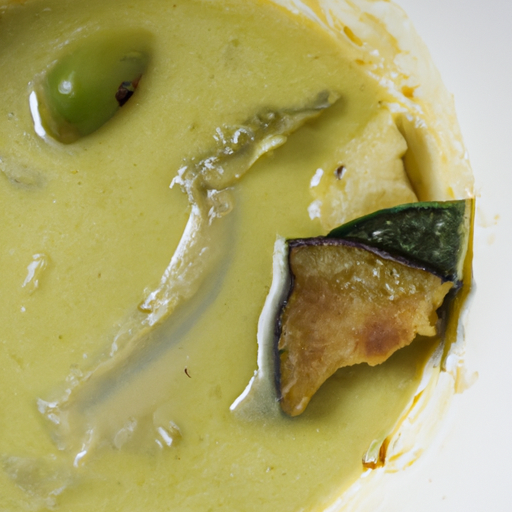
To determine if your Thai Green Curry Vegan has spoiled, check for any mold growth or discoloration on the surface. Give it a sniff for any foul or sour odors that indicate spoilage. Lastly, if the texture appears slimy or excessively mushy, it's best to discard it to avoid any potential foodborne illnesses.
Thai Green Curry Vegan, being a ready-to-eat meal, is at risk for foodborne illnesses if not stored and handled properly. The main risk factors include bacterial contamination from improper storage temperature or cross-contamination with raw ingredients. It is important to ensure that the meal is stored at the correct temperature and reheated thoroughly before consuming to kill any potential harmful bacteria.
To optimize the storage of Thai Green Curry Vegan, it is recommended to store it in an airtight container in the refrigerator at a temperature below 40°F (4°C). This helps prevent bacterial growth and extends the shelf life of the meal. When reheating the curry, ensure it reaches an internal temperature of at least 165°F (74°C) to kill any potential bacteria. For best results, consider adding fresh herbs or a squeeze of lime juice before serving to enhance the flavors.
Thai Green Curry is a popular dish in Thailand known for its vibrant green color and aromatic flavors. The dish typically includes a variety of vegetables, tofu, or protein of choice cooked in a flavorful green curry paste made from ingredients like green chilies, lemongrass, kaffir lime leaves, and coconut milk. In Thailand, green curry is often served with steamed rice and is a staple in Thai cuisine. The dish reflects the balance of flavors that Thai cuisine is known for - sweet, spicy, salty, and sour.
If Thai Green Curry Vegan has been at room temperature for 2 hours, it's best to discard it to reduce the risk of foodborne illness. Bacteria can multiply rapidly at room temperature, increasing the risk of contamination. To ensure safety, always refrigerate leftovers promptly.
Cooking Thai Green Curry Vegan can extend its shelf life by killing harmful bacteria. However, once cooked, it should still be refrigerated promptly and consumed within the recommended timeframe to ensure food safety. Avoid leaving cooked Thai Green Curry Vegan at room temperature for extended periods.
The shelf life of Thai Green Curry Vegan can vary between brands due to differences in ingredients, preservatives, and packaging. Always check the expiration date on the package and follow storage instructions provided by the manufacturer. When in doubt, consume the product within the shortest shelf life indicated.
Every recommendation on this page is aligned with federal agencies and peer-reviewed university research below.
Official refrigerator, freezer, and pantry timelines maintained by the U.S. Department of Agriculture.
Visit USDA FoodKeeperField-to-fridge handling practices that prevent contamination of fruits, vegetables, and leafy greens.
Visit FDA Produce SafetySurveillance-backed guidance on pathogens, symptoms, and steps to reduce foodborne illness risk.
Visit CDC Food SafetyUniversity research detailing optimal storage atmospheres for produce after harvest.
Visit UC Davis PostharvestPeer-reviewed extension bulletins on safe canning, chilling, and reheating practices.
Visit Penn State ExtensionImportant: These are general guidelines based on authoritative sources listed above. Always use your best judgment and when in doubt, throw it out.