USDAOfficial guidance
USDA FoodKeeper – Cold Storage Guidelines
Official refrigerator, freezer, and pantry timelines maintained by the U.S. Department of Agriculture.
Visit USDA FoodKeeperStorage conditions, initial freshness, and proper handling change the answer — and those details are easy to miss.
Get a yes / no answer for your thai basil →
Check Your Exact Situation
Last reviewed: January 2026
Reviewed by the Can I Eat Expired Editorial Team using official USDA, FDA, and CDC food safety guidance. How we assess food safety risk
May be safe if properly stored and showing no spoilage signs. Check carefully before consuming.
⏱️ Safe for up to 3 days after expiry if properly stored and showing no spoilage signs.
Fridge
0-4°C / 32-40°F (fridge)
Store Thai basil in a damp paper towel inside a plastic bag in the refrigerator. Alternatively, place the stems in a glass of water, cover loosely with a plastic bag, and refrigerate.
7 days
30 days
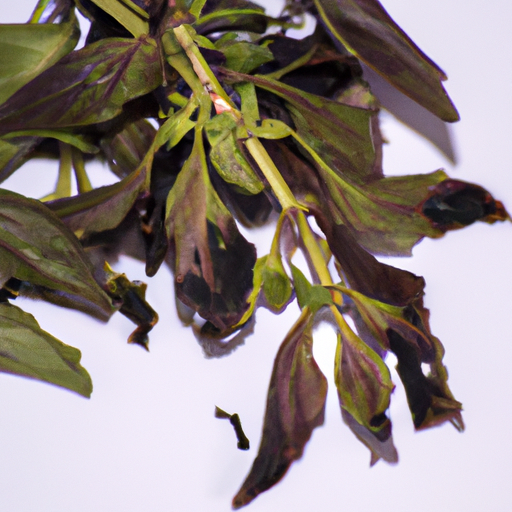
Thai basil may show signs of wilting, discoloration, or a slimy texture. If the leaves turn brown or develop a strong off odor, they should be discarded.
Thai basil can be used in teas, infused oils, or as a garnish for various dishes. Its aromatic qualities enhance both sweet and savory recipes.
If Thai basil is unavailable, consider using regular basil, mint, or a combination of basil and mint for a similar flavor profile.
The dates are manufacturer guidance and not absolute safety indicators to consume for a limited time if stored properly.
To tell if Thai basil has gone bad, check for wilted or discolored leaves, which should be bright green and perky. If the leaves feel slimy or overly dry, or if there's a sour or off smell, it's best to discard the basil. Fresh Thai basil should have a strong, sweet aroma and a firm texture.
While Thai basil is generally safe to eat, improper storage can lead to spoilage and potential foodborne illness. Always inspect for signs of spoilage before consumption.
To extend freshness, consider freezing Thai basil in ice cube trays with water or oil. This method preserves flavor and makes it easy to add to dishes later.
Thai basil, known as 'bai horapha' in Thailand, is a key ingredient in many Southeast Asian dishes, known for its distinct anise-like flavor. It is often used in curries and stir-fries.
If Thai Basil has been left at room temperature for 4 hours, it's generally safe to consume if it shows no signs of spoilage. However, the quality may have deteriorated. Check for unusual odors, texture changes, or visible mold. When in doubt, it's safer to discard it to avoid foodborne illness.
Once you open a package of Thai Basil, it's best to consume it within 7 days for optimal freshness. However, you can safely eat it for an additional 3 days after the expiry date, making a total of 10 days. Always check for any signs of spoilage before use.
Yes, you can safely eat Thai Basil that has been at room temperature for up to 2 hours, as long as it appears fresh and free from any spoilage signs. However, avoid leaving it out for longer periods, as the risk of deterioration increases.
Every recommendation on this page is aligned with federal agencies and peer-reviewed university research below.
Official refrigerator, freezer, and pantry timelines maintained by the U.S. Department of Agriculture.
Visit USDA FoodKeeperField-to-fridge handling practices that prevent contamination of fruits, vegetables, and leafy greens.
Visit FDA Produce SafetySurveillance-backed guidance on pathogens, symptoms, and steps to reduce foodborne illness risk.
Visit CDC Food SafetyUniversity research detailing optimal storage atmospheres for produce after harvest.
Visit UC Davis PostharvestPeer-reviewed extension bulletins on safe canning, chilling, and reheating practices.
Visit Penn State ExtensionImportant: These are general guidelines based on authoritative sources listed above. Always use your best judgment and when in doubt, throw it out.