USDAOfficial guidance
USDA FoodKeeper – Cold Storage Guidelines
Official refrigerator, freezer, and pantry timelines maintained by the U.S. Department of Agriculture.
Visit USDA FoodKeeperStorage conditions, initial freshness, and proper handling change the answer — and those details are easy to miss.
Get a yes / no answer for your spring onions →
Last reviewed: January 2026
Reviewed by the Can I Eat Expired Editorial Team using official USDA, FDA, and CDC food safety guidance. How we assess food safety risk
May be safe if properly stored and showing no spoilage signs. Check carefully before consuming.
⏱️ Safe for up to 2 days after expiry if properly stored and showing no spoilage signs.
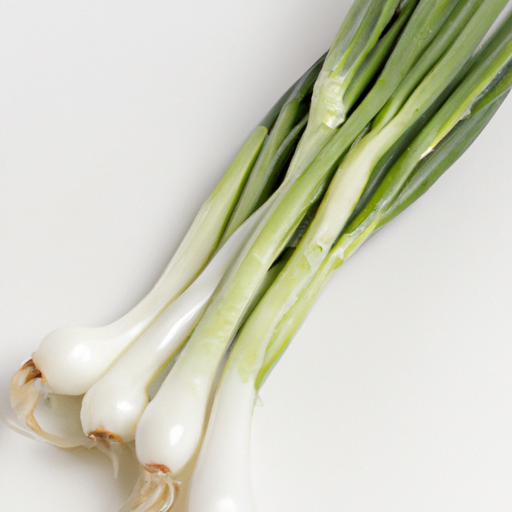
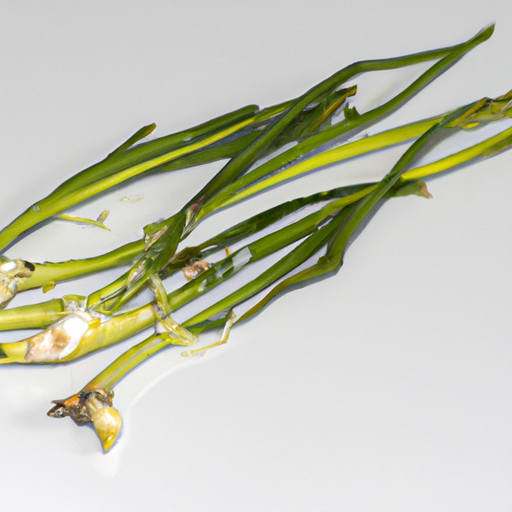
Fridge
0-4°C / 32-40°F (fridge)
Store spring onions in a plastic bag in the refrigerator. For longer freshness, place them upright in a glass of water, covering the roots with a plastic bag.
7 days
3 days
Spring onions may become limp, discolored, or develop a slimy texture. If they emit an off odor or show signs of mold, they should be discarded.
Spring onions can be used in salads, soups, stir-fries, and as a garnish. They add flavor and color to various dishes.
Chives, green onions, or leeks can be used as substitutes for spring onions, though they may vary in flavor intensity.
Expiration dates indicate the last date for optimal freshness, while best quality refers to the period when the product is expected to maintain its best flavor and texture. Consuming after these dates may still be safe but could result in diminished quality.
To determine if spring onions have gone bad, look for signs like wilting, yellowing, or slimy spots on the green tops and bulbs. Fresh spring onions should have a crisp texture and a vibrant green color; if they feel mushy or have a strong, unpleasant odor, it's best to discard them. Any signs of mold or excessive browning also indicate that they are no longer fresh.
Improper handling and storage can lead to contamination. Always wash spring onions before use to reduce the risk of foodborne illness. Keep them separate from raw meats to avoid cross-contamination.
To extend freshness, consider wrapping spring onions in a damp paper towel before placing them in a plastic bag. This helps maintain moisture without causing rot.
Spring onions are a staple in many cuisines worldwide, valued for their mild flavor and versatility. They are often used in Asian dishes and are believed to have health benefits, including anti-inflammatory properties.
If Spring Onions have been left at room temperature for 4 hours, they are generally safe to consume if they show no signs of spoilage. However, the quality may have deteriorated. Check for unusual odors, texture changes, or visible mold. When in doubt, it's safer to discard them to avoid foodborne illness.
Once you've opened a package of Spring Onions, you should consume them within 7 days for the best quality. However, they can still be safe to eat for an additional 2 days after the expiration date, making a total of 9 days from the opening. Always check for any signs of spoilage before consuming.
Yes, Spring Onions can be eaten if they've been at room temperature for 2 hours, as this duration is within the safe limit. Just make sure they look and smell fresh. If they were left out longer than 2 hours, it’s best to check for any signs of spoilage.
Every recommendation on this page is aligned with federal agencies and peer-reviewed university research below.
Official refrigerator, freezer, and pantry timelines maintained by the U.S. Department of Agriculture.
Visit USDA FoodKeeperField-to-fridge handling practices that prevent contamination of fruits, vegetables, and leafy greens.
Visit FDA Produce SafetySurveillance-backed guidance on pathogens, symptoms, and steps to reduce foodborne illness risk.
Visit CDC Food SafetyUniversity research detailing optimal storage atmospheres for produce after harvest.
Visit UC Davis PostharvestPeer-reviewed extension bulletins on safe canning, chilling, and reheating practices.
Visit Penn State ExtensionNeed deeper reading? Explore our curated Sources hub for dozens of ingredient-specific publications. Our food safety review methodology explains how safety determinations are made.
Dairy Products
View expiration date and storage guide →
Fruits & Vegetables
View expiration date and storage guide →
Beverages
View expiration date and storage guide →
Cooking Ingredients
View expiration date and storage guide →
Beverages
View expiration date and storage guide →
Fruits & Vegetables
View expiration date and storage guide →
Ready-to-Eat Meals
View expiration date and storage guide →
Dairy Products
View expiration date and storage guide →
Breakfast Foods
View expiration date and storage guide →
Important: These are general guidelines based on authoritative sources listed above. Always use your best judgment and when in doubt, throw it out. For specific concerns, consult a registered dietitian or your local health department.