USDAOfficial guidance
USDA FoodKeeper – Cold Storage Guidelines
Official refrigerator, freezer, and pantry timelines maintained by the U.S. Department of Agriculture.
Visit USDA FoodKeeperLast reviewed: January 2026
Reviewed by the Can I Eat Expired Editorial Team using official USDA, FDA, and CDC food safety guidance. How we assess food safety risk
Storage temperature, initial freshness, and how it has been handled change the answer — and those details are easy to miss.
Get a yes / no answer for your salmon roe or tinned sold un →
Check Your Exact SituationDiscard it after the expiration date.
Fridge
Between 32°F (0°C) and 39°F (4°C)
Keep in original container, tightly sealed to prevent air exposure
Consistent cold storage is essential for food safety. A refrigerator thermometer (Amazon) helps monitor refrigerator temperature and ensures food stays at safe levels (40°F or below).
14 days
Unpleasant odor, slimy texture, unusual coloration
Proper packaging helps prevent freezer burn and contamination. Using freezer-safe storage bags (Amazon) can help preserve food quality during freezer storage.
Garnish for sushi, topping for blinis
Tobiko (flying fish roe), masago (capelin roe)
The expiration date on commercially jarred or tinned salmon roe refers to the date until which the product is guaranteed to be at its best quality in terms of flavor, texture, and nutritional value. Consuming the salmon roe after the expiration date may not necessarily pose a health risk if it has been stored properly, but the quality and taste might deteriorate. It is recommended to consume the salmon roe before the expiration date for the best culinary experience.
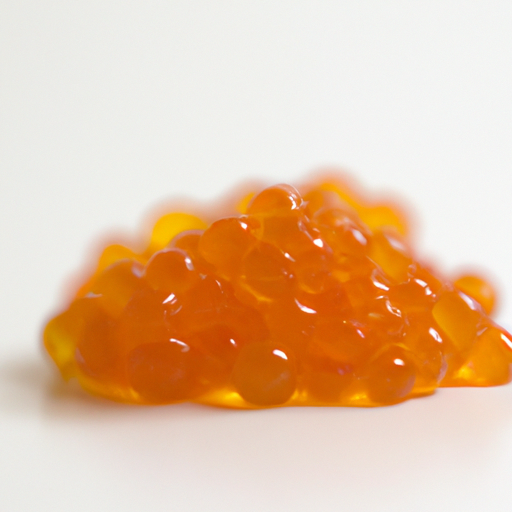
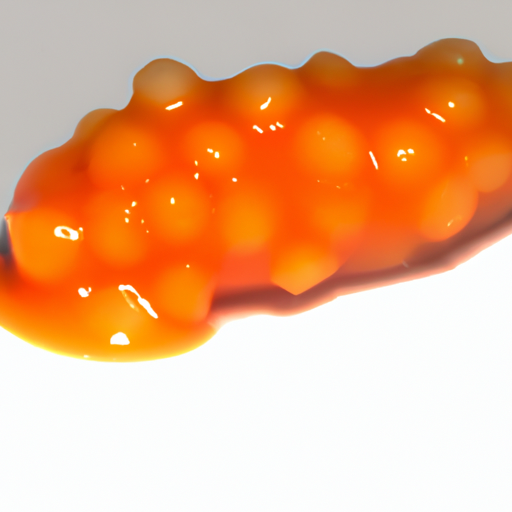
To determine if commercially jarred or tinned salmon roe sold refrigerated and unopened has gone bad, look for any signs of mold growth, off-coloration, or a sour or unpleasant odor. The texture should remain firm and glossy, with individual eggs intact and not mushy. If you notice any of these indicators, it is best to discard the salmon roe to avoid any potential foodborne illnesses.
Salmon roe can pose a risk of foodborne illness if not handled and stored properly. It is essential to ensure that the salmon roe is fresh and of high quality before consumption to reduce the risk of bacterial contamination. People with compromised immune systems, pregnant women, and young children should avoid consuming raw or undercooked seafood, including salmon roe, due to the risk of potential foodborne illnesses like salmonella or listeria.
To ensure the optimal storage of commercially jarred or tinned salmon roe, it is essential to keep it refrigerated at all times, even when unopened. Store the salmon roe in the coldest part of the refrigerator, ideally at temperatures below 40°F (4°C). Once opened, consume the salmon roe within a few days to maintain its freshness and quality. To enhance the flavor, consider marinating the salmon roe in a mixture of soy sauce, mirin, and sake before serving. Additionally, storing the salmon roe in an airtight container or vacuum-sealed bag can help prolong its shelf life and prevent contamination.
Salmon roe, also known as ikura in Japanese cuisine, is highly prized for its vibrant color, briny flavor, and unique popping texture. In Japanese culture, ikura is often served as a topping for sushi or enjoyed on its own as a delicacy. It is considered a symbol of prosperity and is frequently served during special occasions and celebrations. The harvesting and preparation of salmon roe have deep cultural significance in many communities that rely on fishing as a way of life.
Once opened, Salmon Roe Fresh Commercially Jarred or Tinned Sold Refrigerated Unopened should be consumed within 2-3 days for the best quality. Be sure to keep it refrigerated at all times and check for any signs of spoilage before eating.
It's recommended not to consume Salmon Roe Fresh Commercially Jarred or Tinned Sold Refrigerated Unopened if it has been left at room temperature for more than 2 hours. Bacteria can multiply quickly at room temperature, potentially leading to foodborne illness.
Yes, the type of container can impact the shelf life of Salmon Roe Fresh Commercially Jarred or Tinned Sold Refrigerated Unopened. Opt for containers that provide a tight seal to maintain freshness. Avoid containers with dents or damage that can compromise the product's quality.
Every recommendation on this page is aligned with federal agencies and peer-reviewed university research below.
Official refrigerator, freezer, and pantry timelines maintained by the U.S. Department of Agriculture.
Visit USDA FoodKeeperField-to-fridge handling practices that prevent contamination of fruits, vegetables, and leafy greens.
Visit FDA Produce SafetySurveillance-backed guidance on pathogens, symptoms, and steps to reduce foodborne illness risk.
Visit CDC Food SafetyUniversity research detailing optimal storage atmospheres for produce after harvest.
Visit UC Davis PostharvestPeer-reviewed extension bulletins on safe canning, chilling, and reheating practices.
Visit Penn State ExtensionStorage: Fridge
View guide →
Storage: Fridge
View guide →
Storage: Freezer
View guide →
Storage: Fridge
View guide →
Storage: Fridge
View guide →
Storage: Fridge
View guide →
Storage: Freezer
View guide →
Storage: Fridge
View guide →
Storage: Fridge
View guide →
Important: These are general guidelines based on authoritative sources listed above. Always use your best judgment and when in doubt, throw it out.
Disclosure: As an Amazon Associate, we earn from qualifying purchases. This helps support our site and allows us to continue providing free food safety information.