USDAOfficial guidance
USDA FoodKeeper – Cold Storage Guidelines
Official refrigerator, freezer, and pantry timelines maintained by the U.S. Department of Agriculture.
Visit USDA FoodKeeperLast reviewed: January 2026
Reviewed by the Can I Eat Expired Editorial Team using official USDA, FDA, and CDC food safety guidance. How we assess food safety risk
May be safe if properly stored and showing no spoilage signs. Check carefully before consuming.
⏱️ Safe for up to 2 days after expiry if properly stored and showing no spoilage signs.
Storage conditions, initial freshness, and potential contamination change the answer — and those details are easy to miss.
Get a yes / no answer for your portobello mushrooms →
Check Your Exact Situation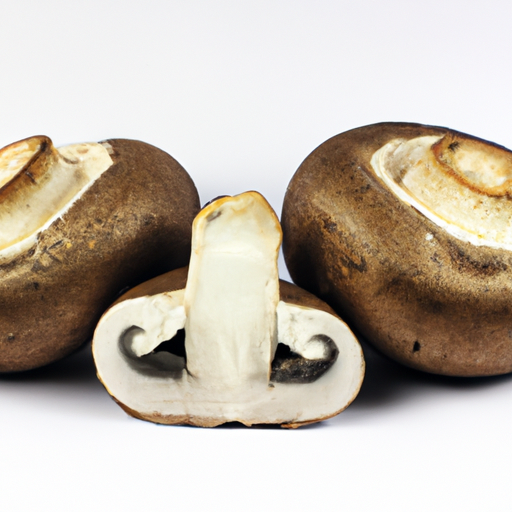
Fridge
0-4°C / 32-40°F (fridge)
Store Portobello mushrooms in a paper bag in the refrigerator to allow for airflow. Avoid plastic bags, which can trap moisture and lead to spoilage.
Proper airflow and humidity control can extend produce freshness. Using produce storage containers (Amazon) in the refrigerator helps regulate moisture and slow spoilage.
7 days
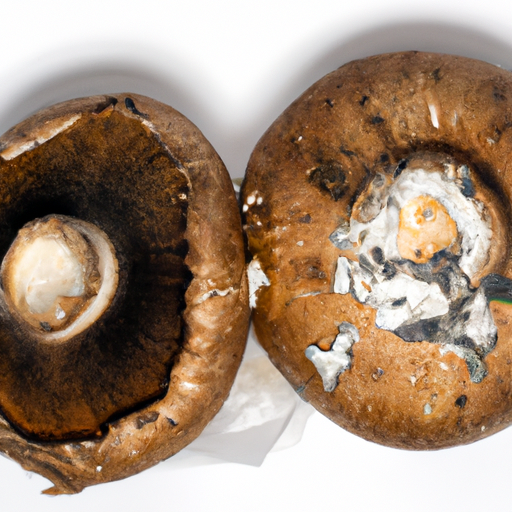
Portobello mushrooms may become slimy, discolored, or develop a strong, unpleasant odor. If they show any signs of mold or excessive softness, they should be discarded.
Portobello mushrooms can be grilled, stuffed, or used as a meat substitute in various dishes due to their hearty texture and umami flavor.
Common substitutes for Portobello mushrooms include shiitake mushrooms, cremini mushrooms, or large button mushrooms, depending on the recipe.
The dates are manufacturer guidance and not absolute safety indicators to eat for a short period, but quality may decline, affecting taste and texture.
To determine if Portobello mushrooms have gone bad, check for visual signs like dark spots, sliminess, or a dried-out appearance. Fresh mushrooms should have a firm texture; if they feel mushy or overly soft, it's a sign they are no longer good. Additionally, if they emit a strong, unpleasant odor rather than a mild, earthy scent, it's best to discard them.
Improper handling and storage of mushrooms can lead to foodborne illnesses. Always wash hands before handling and ensure mushrooms are cooked thoroughly to kill any potential pathogens.
To extend shelf life, consider sautéing or grilling mushrooms before storing them in the fridge. This can help preserve their quality for a few additional days.
Portobello mushrooms are actually mature cremini mushrooms and are popular in vegetarian cuisine for their meaty texture. They are also rich in nutrients, including B vitamins and antioxidants.
If Portobello Mushrooms are left out at room temperature for 5 hours, they may become unsafe to eat. While mushrooms can be left out for a short time, the USDA recommends not exceeding 2 hours at room temperature. After 5 hours, there's a higher risk of bacterial growth, making it safer to discard them, even if they appear fine.
After opening, Portobello Mushrooms should be consumed within 7 days if stored properly in the fridge. If you notice any signs of spoilage, like an off smell or slimy texture, it's best to err on the side of caution and not eat them, even if it’s within the 7-day window.
It's generally not recommended to eat Portobello Mushrooms that have been at room temperature for 3 hours. Bacteria can multiply quickly in that time frame. If you must eat them, ensure they look and smell normal, but be aware that foodborne illness can still occur.
Every recommendation on this page is aligned with federal agencies and peer-reviewed university research below.
Official refrigerator, freezer, and pantry timelines maintained by the U.S. Department of Agriculture.
Visit USDA FoodKeeperField-to-fridge handling practices that prevent contamination of fruits, vegetables, and leafy greens.
Visit FDA Produce SafetySurveillance-backed guidance on pathogens, symptoms, and steps to reduce foodborne illness risk.
Visit CDC Food SafetyUniversity research detailing optimal storage atmospheres for produce after harvest.
Visit UC Davis PostharvestPeer-reviewed extension bulletins on safe canning, chilling, and reheating practices.
Visit Penn State ExtensionImportant: These are general guidelines based on authoritative sources listed above. Always use your best judgment and when in doubt, throw it out.
Disclosure: As an Amazon Associate, we earn from qualifying purchases. This helps support our site and allows us to continue providing free food safety information.