USDAOfficial guidance
USDA FoodKeeper – Cold Storage Guidelines
Official refrigerator, freezer, and pantry timelines maintained by the U.S. Department of Agriculture.
Visit USDA FoodKeeperStorage conditions, initial freshness, and proper handling change the answer — and those details are easy to miss.
Last reviewed: January 2026
Reviewed by the Can I Eat Expired Editorial Team using official USDA, FDA, and CDC food safety guidance. How we assess food safety risk
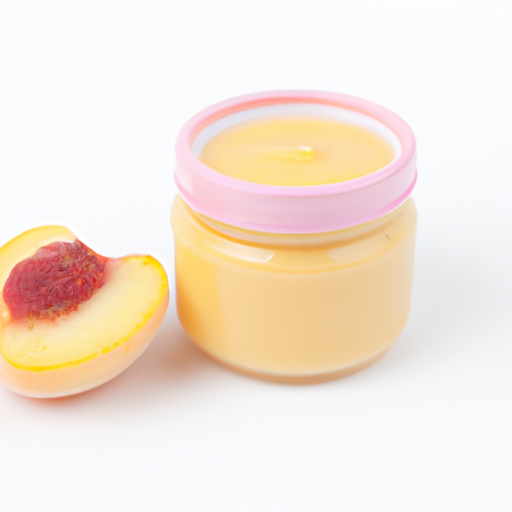
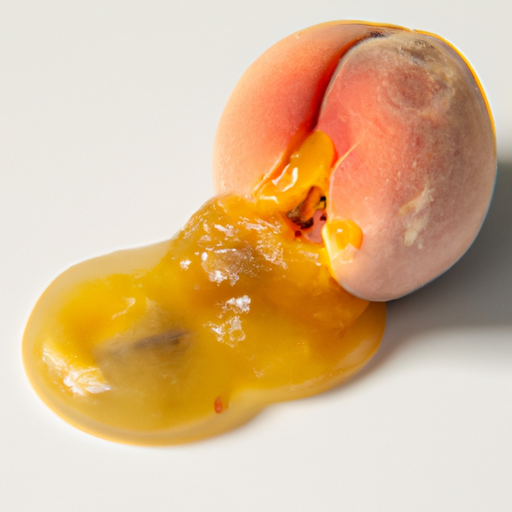
This food is often safe when handled and stored properly, but safety depends on how it's been kept and whether any spoilage signs are present.
⏱️ Safe for up to 1 day after expiry if properly stored and showing no spoilage signs.
Get a yes / no answer for your peach baby food →
Fridge
4°C (40°F)
Store in original packaging
5 days
Off smell, discoloration, bubbles
Use in smoothies or desserts
Pureed apples, bananas
The expiration date on peach baby food indicates the date until which the food is guaranteed to be at its peak quality in terms of taste, texture, and nutritional value. Consuming the peach baby food after the expiration date may not necessarily pose a health risk, but the quality of the food may deteriorate, leading to changes in taste and texture. It is always recommended to follow the expiration date for optimal quality. Best quality refers to the period during which the peach baby food will taste the best, have the best texture, and retain the most nutrients. Consuming the peach baby food within this timeframe ensures the best eating experience for your baby.
To check if Peach Baby Food has spoiled, look for any signs of mold, discoloration, or unusual texture like clumps or separation. Additionally, a foul or sour odor is a clear indicator of spoilage. If you notice any of these signs, it's best to discard the baby food to prevent any risk of foodborne illness.
When it comes to peach baby food, the main concern is ensuring that the food is properly stored and handled to prevent bacterial contamination. It is important to always check the expiration date on the packaging and avoid feeding your baby any peach baby food that is past its expiration date. Additionally, if the jar of peach baby food is damaged or shows signs of spoilage such as bulging lids, leaks, or off odors, it should be discarded immediately to avoid any risk of foodborne illness.
To ensure the best quality and safety of peach baby food, it is important to store it in a cool, dry place away from direct sunlight. Once opened, any unused portion of the peach baby food should be refrigerated immediately and consumed within the recommended timeframe specified on the packaging. It is not recommended to feed babies directly from the jar to avoid contamination. Instead, scoop out the desired portion into a separate dish and feed from there to prevent the introduction of bacteria into the remaining food. Always use clean utensils when serving peach baby food to your baby.
Peaches have been enjoyed for centuries and are considered a symbol of longevity, good luck, and vitality in many cultures. In Chinese culture, peaches are considered a symbol of immortality and are often associated with gods and goddesses. In Western cultures, peaches are a popular fruit used in a variety of dishes, including desserts and baby food. Peaches are also a good source of vitamins A and C, as well as dietary fiber, making them a nutritious choice for babies.
Once opened, Peach Baby Food can be safely consumed within 2 days if stored in the refrigerator at or below 40°F (4°C). Be sure to cover the container tightly to maintain freshness and prevent contamination.
If Peach Baby Food has been at room temperature for a few hours, it should be consumed within 2 hours to ensure safety. Exposing the food to temperatures above 40°F (4°C) for extended periods can increase the risk of bacterial growth and spoilage.
Yes, the type of container can impact Peach Baby Food's shelf life. Opt for airtight containers or jars specifically designed for storing baby food to maintain freshness and prevent contamination. Avoid using containers made of materials that may leach chemicals into the food.
Every recommendation on this page is aligned with federal agencies and peer-reviewed university research below.
Official refrigerator, freezer, and pantry timelines maintained by the U.S. Department of Agriculture.
Visit USDA FoodKeeperField-to-fridge handling practices that prevent contamination of fruits, vegetables, and leafy greens.
Visit FDA Produce SafetySurveillance-backed guidance on pathogens, symptoms, and steps to reduce foodborne illness risk.
Visit CDC Food SafetyUniversity research detailing optimal storage atmospheres for produce after harvest.
Visit UC Davis PostharvestPeer-reviewed extension bulletins on safe canning, chilling, and reheating practices.
Visit Penn State ExtensionImportant: These are general guidelines based on authoritative sources listed above. Always use your best judgment and when in doubt, throw it out.