USDAOfficial guidance
USDA FoodKeeper – Cold Storage Guidelines
Official refrigerator, freezer, and pantry timelines maintained by the U.S. Department of Agriculture.
Visit USDA FoodKeeperStorage conditions, initial freshness, and proper handling change the answer — and those details are easy to miss.
Last reviewed: January 2026
Reviewed by the Can I Eat Expired Editorial Team using official USDA, FDA, and CDC food safety guidance. How we assess food safety risk
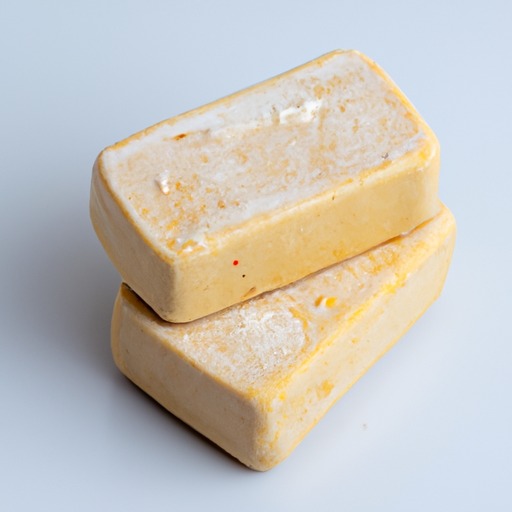
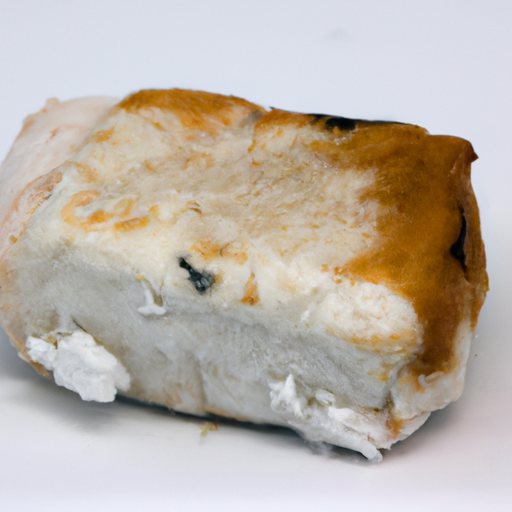
May be safe if properly stored and showing no spoilage signs. Check carefully before consuming.
⏱️ Safe for up to 1 day after expiry if properly stored and showing no spoilage signs.
Get a yes / no answer for your paneer tikka →
Fridge
0-4°C / 32-40°F (fridge)
Store Paneer Tikka in an airtight container in the refrigerator to maintain freshness. If freezing, wrap portions tightly in plastic wrap and place in a freezer-safe bag.
3 days
30 days
Paneer Tikka may spoil if it develops an off smell, changes in texture, or visible mold. If the color appears dull or there is excessive moisture, discard it.
Leftover Paneer Tikka can be used in wraps, salads, or as a topping for pizzas and grain bowls.
To substitute Paneer, consider using tofu for a similar texture or halloumi for a firmer bite.
The expiration date indicates the last date for optimal quality. Consuming Paneer Tikka past this date may not guarantee the best taste or safety, but it may still be edible for a short period if stored correctly.
To check if Paneer Tikka has gone bad, look for any signs of mold or an unusual slimy texture. It should have a pleasant, spicy aroma; if it smells sour or off, it's a sign that it's no longer fresh. Additionally, if the paneer has become overly dry or hard, it may not be safe to eat.
Paneer Tikka, being a dairy product, is prone to bacterial growth if not stored properly. Ensure it is kept at safe temperatures and consumed within recommended time frames to prevent foodborne illnesses.
To extend shelf life, always use clean utensils when handling Paneer Tikka. Consider marinating it in yogurt and spices before cooking to enhance flavor and preservation.
Paneer Tikka is a popular Indian appetizer made from marinated paneer cubes, often grilled or baked. It showcases the rich culinary traditions of India and is enjoyed worldwide.
Once you open a package of Paneer Tikka, it's best to consume it within 3 days for optimal safety and quality. After that, it may still be safe to eat for an additional day, but always check for any signs of spoilage, such as off smells or changes in texture.
Yes, you can safely eat Paneer Tikka if it has been at room temperature for up to 2 hours. However, if it exceeds 2 hours, especially in warm environments, it's better to err on the side of caution and discard it to reduce the risk of foodborne illness.
Yes, the type of container can affect the shelf life of Paneer Tikka. Airtight containers help keep moisture out and prevent spoilage, extending its freshness. If stored in a loose or non-airtight container, it may spoil faster due to exposure to air and moisture.
Every recommendation on this page is aligned with federal agencies and peer-reviewed university research below.
Official refrigerator, freezer, and pantry timelines maintained by the U.S. Department of Agriculture.
Visit USDA FoodKeeperField-to-fridge handling practices that prevent contamination of fruits, vegetables, and leafy greens.
Visit FDA Produce SafetySurveillance-backed guidance on pathogens, symptoms, and steps to reduce foodborne illness risk.
Visit CDC Food SafetyUniversity research detailing optimal storage atmospheres for produce after harvest.
Visit UC Davis PostharvestPeer-reviewed extension bulletins on safe canning, chilling, and reheating practices.
Visit Penn State ExtensionImportant: These are general guidelines based on authoritative sources listed above. Always use your best judgment and when in doubt, throw it out.