Can I Eat Expired Overnight Oats?

Start your day with a delicious and nutritious breakfast that’s as easy to prepare as it is satisfying. These creamy, customizable jars are not just a time-saver; they also require careful storage in the fridge to keep them fresh for up to five days. Just remember, even after they reach their expiration, they can still be enjoyed safely for a couple of days—if you’re vigilant about checking for any signs of spoilage!

Safe up to 2 days after expiration

Safe to eat up to 2 days after expiry

Medium Risk❄️ Can be frozen
📋

Get Your Free Food Safety Cheat Sheet

30 most common foods with instant answers. Print it and stick it on your fridge—completely free! Want more? Upgrade to the complete guide with 70+ foods.

✓ 30 foods covered✓ Free download✓ Instant access
Get Free Guide →

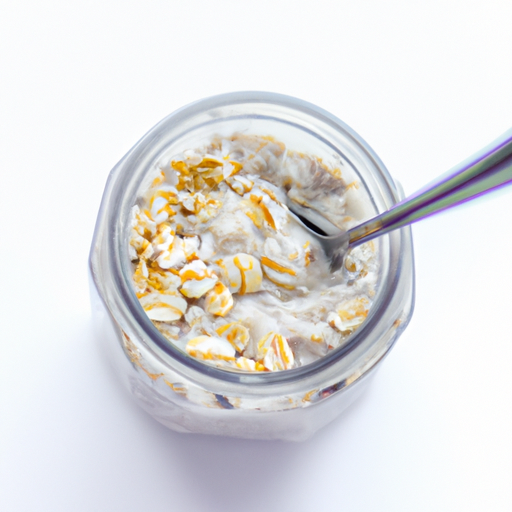
Fresh Overnight Oats

Fresh Overnight Oats

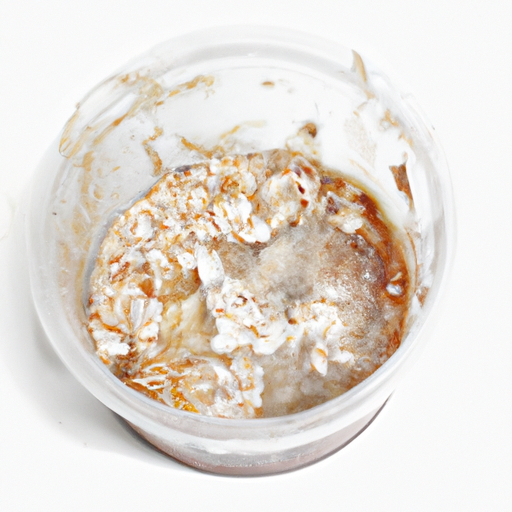
⚠️Spoiled Overnight Oats

Spoiled Overnight Oats
📦

Storage Guidelines

Storage Location

Fridge

Ideal Temperature

0-4°C / 32-40°F (fridge)

Best Storage Method

Store overnight oats in an airtight container in the refrigerator. Ensure they are well mixed and covered to prevent drying out.

Shelf Life

Average Shelf Life

5 days

Extended Shelf Life (When Frozen)

30 days

⚠️

Signs of Spoilage

Overnight oats may develop an off smell, change in texture, or visible mold. If the oats appear dry or have separated significantly, they should be discarded.

ℹ️

Additional Information

Alternative Uses

Overnight oats can be used as a base for smoothies or as a topping for yogurt and fruit bowls.

Possible Substitutions

Common substitutes for oats include quinoa flakes, chia seeds, or rolled barley, which can also provide a similar texture and nutritional profile.

Frequently Asked Questions

What's the difference between expiration and best quality dates?

The expiration date indicates the last date for optimal quality, while the best quality may still be maintained for a short period after this date, provided there are no signs of spoilage.

How can I tell if Overnight Oats has gone bad?

To determine if Overnight Oats have gone bad, check for any off-putting smells, which may indicate spoilage. Look for visible signs like mold, discoloration, or an unusual watery separation on top. Additionally, if the oats feel excessively slimy or mushy instead of creamy, it's best to discard them.

What are the food safety risks?

Improper storage or prolonged refrigeration can lead to bacterial growth, particularly if dairy or fresh fruits are included. Always check for signs of spoilage before consumption.

What are some pro storage tips?

To enhance flavor and texture, consider adding toppings like nuts, seeds, or fresh fruits just before serving rather than during storage. This helps maintain freshness.

Any interesting facts about Overnight Oats?

Overnight oats have gained popularity as a convenient breakfast option, especially among busy individuals. They are often associated with healthy eating trends and meal prepping.

How long can I keep Overnight Oats in the fridge after making them?

You can safely keep Overnight Oats in the fridge for up to 5 days after making them. If you haven't eaten them within that timeframe, it's best to discard them. However, if you have stored them properly, you can enjoy them for an additional 2 days past the expiration date, but be cautious and check for any signs of spoilage.

Can I eat Overnight Oats if they've been at room temperature for 3 hours?

Overnight Oats can be left at room temperature for up to 2 hours safely. After 3 hours, while they may still look and smell fine, the risk of bacterial growth increases. It's best to refrigerate them as soon as possible, and if they exceed the 2-hour mark, it's safer to discard them to avoid any foodborne illness.

Does the type of container affect the shelf life of Overnight Oats?

Yes, the type of container can impact the shelf life of Overnight Oats. Airtight containers help keep moisture and odors out, which can prolong freshness. Glass containers are preferred as they don’t retain odors and are typically more airtight than plastic. Always ensure the lid is sealed properly to maintain quality.

Can I store Overnight Oats next to fruits in the fridge?

It's generally safe to store Overnight Oats next to fruits in the fridge, but be cautious with fruits that produce ethylene gas, like bananas. Ethylene can cause the oats to ripen and spoil faster. If you notice any strong odors from the fruits, it’s best to keep them separate to maintain the quality of your Overnight Oats.

How does freezing affect the texture of Overnight Oats when thawed?

Freezing Overnight Oats can change their texture once thawed. While they still remain safe to eat, the oats may become mushier and less appealing. To minimize this, try adding fresh toppings like fruit or nuts after thawing. If you're planning to freeze them, consider preparing a batch with less liquid to help maintain texture.

Do different brands of Overnight Oats have different shelf lives?

Yes, different brands of Overnight Oats may have varying shelf lives due to their ingredients and preservatives. Always check the specific expiration date on the packaging. Some brands may add preservatives that can extend shelf life, while others, particularly those made with all-natural ingredients, may have a shorter shelf life.

How does cooking Overnight Oats affect their expiration date?

Cooking Overnight Oats typically extends their expiration date slightly since the heat can kill off some bacteria. If you cook them, they can last in the fridge for about a week. However, always store them in an airtight container and check for any signs of spoilage before consuming.

Does Overnight Oats last longer in the summer or winter?

Overnight Oats may not necessarily last longer in summer or winter, but temperature can affect their freshness. In warmer months, the risk of spoilage increases due to higher temperatures, so it's important to keep them refrigerated promptly. During winter, cooler temperatures could help maintain freshness, but always adhere to the 5-day rule regardless of the season.

How can I safely transport Overnight Oats for a 5-hour trip?

To safely transport Overnight Oats for a 5-hour trip, use an insulated cooler with ice packs to keep them at a safe temperature. Ensure they are in a tightly sealed container to prevent spills. If possible, consume them within 2 hours of being at room temperature. If you can't eat them within that time, it's safer to discard them.

📋

Get Your Free Food Safety Cheat Sheet

30 most common foods with instant answers. Print it and stick it on your fridge—completely free! Want more? Upgrade to the complete guide with 70+ foods.

Get Free Guide →
Free download

Expiration Calculator

Evidence We Use for Overnight Oats Guidance

Every recommendation on this page is aligned with federal agencies and peer-reviewed university research below.

USDAOfficial guidance

USDA FoodKeeper – Cold Storage Guidelines

Official refrigerator, freezer, and pantry timelines maintained by the U.S. Department of Agriculture.

Visit USDA FoodKeeper
FDAOfficial guidance

FDA Produce Safety Rule & Grower Guidance

Field-to-fridge handling practices that prevent contamination of fruits, vegetables, and leafy greens.

Visit FDA Produce Safety
CDCOfficial guidance

CDC Foodborne Illness Prevention Hub

Surveillance-backed guidance on pathogens, symptoms, and steps to reduce foodborne illness risk.

Visit CDC Food Safety
ResearchUniversity research

UC Davis Postharvest Technology Center

University research detailing optimal storage atmospheres for produce after harvest.

Visit UC Davis Postharvest
ResearchUniversity research

Penn State Extension – Home Food Preservation & Safety

Peer-reviewed extension bulletins on safe canning, chilling, and reheating practices.

Visit Penn State Extension

Need deeper reading? Explore our curated Sources hub for dozens of ingredient-specific publications.

📷Didn't find what you were looking for?

Scan your food directly and get instant safety info using our AI-powered camera feature.

Important: These are general guidelines based on authoritative sources listed above. Always use your best judgment and when in doubt, throw it out. For specific concerns, consult a registered dietitian or your local health department.