USDAOfficial guidance
USDA FoodKeeper – Cold Storage Guidelines
Official refrigerator, freezer, and pantry timelines maintained by the U.S. Department of Agriculture.
Visit USDA FoodKeeperLast reviewed: January 2026
Reviewed by the Can I Eat Expired Editorial Team using official USDA, FDA, and CDC food safety guidance. How we assess food safety risk
May be safe if properly stored and showing no spoilage signs. Check carefully before consuming.
Storage conditions, initial freshness, and proper handling change the answer — and those details are easy to miss.
Get a yes / no answer for your nuts almonds →
Check Your Exact Situation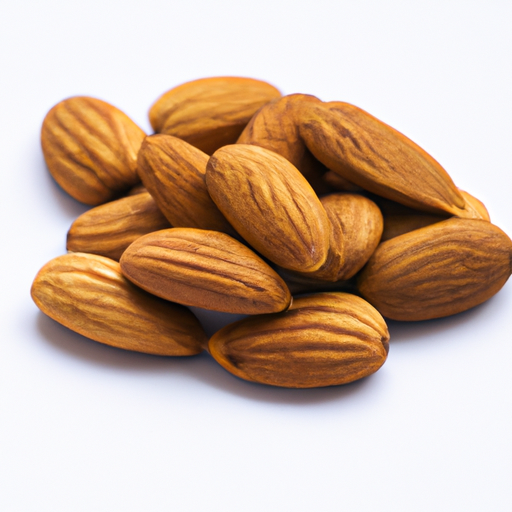
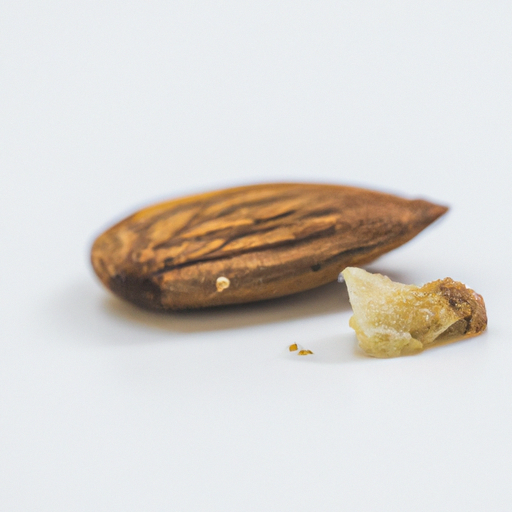
Pantry
60-65°F (15-18°C)
Store in a sealed container in a cool, dark place
150 days
Mold, rancid smell, bitter taste
Ground into almond flour, added to salads or granola, used in baking
Other types of nuts such as walnuts or pecans
Over time, opened almonds can lose their crunchiness and flavor due to exposure to air and moisture. While almonds do not necessarily 'expire' in the same way as perishable foods, they can become rancid or stale, affecting taste and texture. It's best to consume almonds within 6 months to a year for optimal quality.
To determine if almonds have gone bad, visually inspect for any mold, discoloration, or a rancid smell. Check for a bitter or sour taste, as well as a soft or rubbery texture, which are signs that the almonds are no longer fresh and safe to eat.
Consuming almonds that have been opened can pose foodborne illness risks due to potential contamination by bacteria such as Salmonella or mold. To reduce the risk of foodborne illness, always store almonds in airtight containers, avoid cross-contamination with raw meat or poultry, and check for any signs of spoilage before consumption.
To maintain the freshness of opened almonds, store them in a cool, dry place away from sunlight. Consider refrigerating or freezing almonds to extend their shelf life. Additionally, you can enhance the flavor by toasting the almonds lightly before consumption.
Almonds have been cultivated for thousands of years and hold significant cultural importance in various societies. They are often associated with good luck, fertility, and prosperity in many cultures. In some traditions, almonds are used in weddings to symbolize happiness and a long-lasting marriage.
If Nuts Almonds Opened has been exposed to air for a few hours, they should still be safe to eat as long as there are no signs of spoilage. However, to maintain freshness and flavor, it's best to store them in an airtight container after opening.
Nuts Almonds Opened can typically be consumed up to 150 days after opening, as long as they are stored properly in a cool, dry place. However, for the best quality and taste, it's recommended to consume them within a few weeks of opening.
If Nuts Almonds Opened have been left at room temperature for a short period, they should still be safe to consume. However, prolonged exposure to heat can impact their quality and taste. It's best to store them in a cool place to maintain freshness.
Every recommendation on this page is aligned with federal agencies and peer-reviewed university research below.
Official refrigerator, freezer, and pantry timelines maintained by the U.S. Department of Agriculture.
Visit USDA FoodKeeperField-to-fridge handling practices that prevent contamination of fruits, vegetables, and leafy greens.
Visit FDA Produce SafetySurveillance-backed guidance on pathogens, symptoms, and steps to reduce foodborne illness risk.
Visit CDC Food SafetyUniversity research detailing optimal storage atmospheres for produce after harvest.
Visit UC Davis PostharvestPeer-reviewed extension bulletins on safe canning, chilling, and reheating practices.
Visit Penn State ExtensionImportant: These are general guidelines based on authoritative sources listed above. Always use your best judgment and when in doubt, throw it out.