USDAOfficial guidance
USDA FoodKeeper – Cold Storage Guidelines
Official refrigerator, freezer, and pantry timelines maintained by the U.S. Department of Agriculture.
Visit USDA FoodKeeperStorage conditions, initial freshness, and proper handling change the answer — and those details are easy to miss.
Last reviewed: January 2026
Reviewed by the Can I Eat Expired Editorial Team using official USDA, FDA, and CDC food safety guidance. How we assess food safety risk
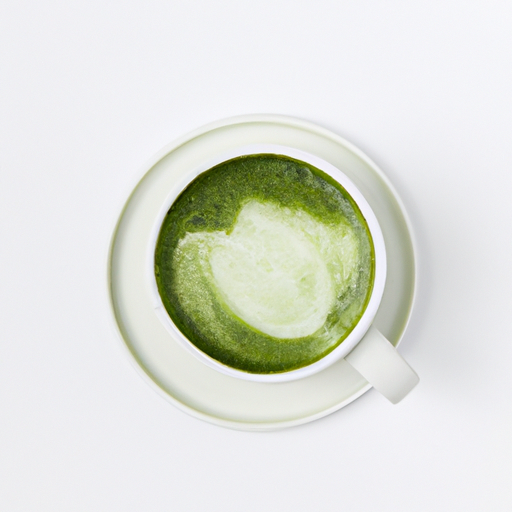
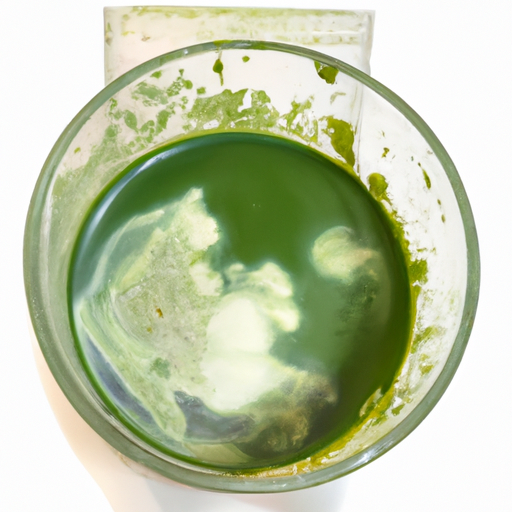
May be safe if properly stored and showing no spoilage signs. Check carefully before consuming.
⏱️ Safe for up to 3 days after expiry if properly stored and showing no spoilage signs.
Get a yes / no answer for your matcha latte →
Fridge
0-4°C / 32-40°F (fridge)
Store in an airtight container in the refrigerator to maintain freshness. Keep away from light and heat sources to prevent degradation of flavor.
After opening, beverages can lose carbonation or absorb odors. Transferring to an airtight bottle or container (Amazon) can help preserve freshness and flavor.
7 days
Signs of spoilage include an off smell, separation of ingredients, or a change in color or texture. If the beverage appears curdled or has an unusual taste, it should be discarded.
Matcha latte can be used in smoothies, baked goods, or as a flavoring in desserts like ice cream and cakes.
If matcha is unavailable, green tea powder or powdered chai can be used as alternatives, though the flavor profile will differ.
The dates are manufacturer guidance and not absolute safety indicators, but quality may decline.
To determine if a Matcha Latte has gone bad, check for any changes in color, such as an off or dull appearance, which may indicate spoilage. Smell it for any sour or unusual odors, as fresh matcha should have a pleasant, earthy aroma. Lastly, feel the texture; if it has separated significantly or feels slimy, it's best to discard it.
Improper storage can lead to bacterial growth, especially in dairy-based matcha lattes. Always refrigerate after opening and avoid leaving at room temperature for extended periods.
To extend freshness, consider portioning matcha latte into smaller containers to minimize exposure to air each time you open it. Use a straw to drink directly from the container to reduce contamination.
Matcha, a finely ground powder of specially grown green tea leaves, has been used in Japanese tea ceremonies for centuries and is celebrated for its health benefits, including antioxidants.
Once opened, Matcha Latte can be safely stored in the fridge for up to 7 days. It's best to consume it within this timeframe for optimal flavor and safety. If you're unsure whether it's still good after the 7 days, you can consume it up to 3 days past the expiration date, provided it shows no signs of spoilage.
If Matcha Latte has been left at room temperature for 5 hours, it's advisable to discard it. Even though it might not show visible signs of spoilage, the risk of harmful bacteria growth increases after 2 hours at room temperature, especially for beverages like Matcha Latte.
Yes, the type of container can significantly affect the shelf life of Matcha Latte. Ideally, it should be stored in an airtight container to minimize exposure to air and light, which can lead to oxidation and spoilage. Glass containers are preferred as they are less reactive than plastic, helping to preserve flavor and freshness.
Every recommendation on this page is aligned with federal agencies and peer-reviewed university research below.
Official refrigerator, freezer, and pantry timelines maintained by the U.S. Department of Agriculture.
Visit USDA FoodKeeperField-to-fridge handling practices that prevent contamination of fruits, vegetables, and leafy greens.
Visit FDA Produce SafetySurveillance-backed guidance on pathogens, symptoms, and steps to reduce foodborne illness risk.
Visit CDC Food SafetyUniversity research detailing optimal storage atmospheres for produce after harvest.
Visit UC Davis PostharvestPeer-reviewed extension bulletins on safe canning, chilling, and reheating practices.
Visit Penn State ExtensionImportant: These are general guidelines based on authoritative sources listed above. Always use your best judgment and when in doubt, throw it out.
Disclosure: As an Amazon Associate, we earn from qualifying purchases. This helps support our site and allows us to continue providing free food safety information.