USDAOfficial guidance
USDA FoodKeeper – Cold Storage Guidelines
Official refrigerator, freezer, and pantry timelines maintained by the U.S. Department of Agriculture.
Visit USDA FoodKeeperStorage conditions, initial freshness, and proper handling change the answer — and those details are easy to miss.
Get a yes / no answer for your masa harina →
Check Your Exact Situation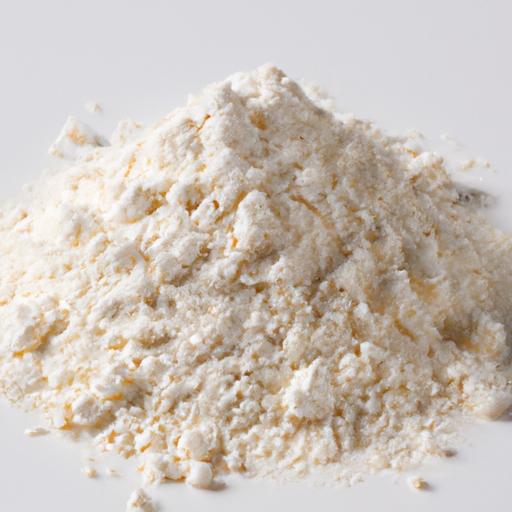

Last reviewed: January 2026
Reviewed by the Can I Eat Expired Editorial Team using official USDA, FDA, and CDC food safety guidance. How we assess food safety risk
This food is often safe when handled and stored properly, but safety depends on how it's been kept and whether any spoilage signs are present.
⏱️ Safe for up to 30 days after expiry if properly stored and showing no spoilage signs.
Pantry
20-25°C / 68-77°F (room temperature)
Store masa harina in an airtight container in a cool, dry place. For extended shelf life, refrigerate or freeze it. Ensure it is sealed tightly to prevent moisture absorption.
180 days
180 days
Masa harina can develop an off smell, discoloration, or clumping. If it has a rancid odor or shows signs of mold, it should be discarded.
Masa harina is primarily used for making tortillas, tamales, and other traditional dishes. It can also be used as a thickener for soups and sauces.
Cornmeal or all-purpose flour can be used as substitutes, but the texture and flavor may differ from traditional masa harina.
The dates are manufacturer guidance and not absolute safety indicators to eat but may not perform as well in recipes.
To tell if Masa Harina has gone bad, check for any discoloration or the presence of mold, which may appear as dark spots. It should have a fresh, corn-like smell; if it smells sour or off, it's a sign that it may no longer be good. Additionally, feel the texture; if it’s clumpy or has a strange graininess, it’s best to discard it.
Masa harina is generally safe to consume, but improper storage can lead to contamination. Always check for signs of spoilage before use. Ensure hands and utensils are clean when handling.
To extend freshness, consider vacuum sealing masa harina before freezing. Label containers with dates to track storage duration, ensuring you use older stock first.
Masa harina is a staple in Mexican cuisine, derived from nixtamalized corn. It plays a crucial role in traditional dishes like tortillas and is celebrated for its versatility and cultural significance.
Once opened, Masa Harina can be stored in a cool, dry place for up to 180 days. However, for optimal quality, it's best to use it within 3 months. After opening, keep it tightly sealed to maintain freshness. If stored properly, it should still be safe to consume for up to 30 days past its expiration date, but check for any off smells or changes in texture before use.
Masa Harina should ideally be stored in a pantry at room temperature and away from moisture. If it has been left out in a warm environment for several days, it's best to inspect it carefully. If it smells fine and shows no signs of moisture or clumping, it’s likely still safe, but using it within a week is recommended to ensure quality.
Yes, the container can significantly impact the shelf life of Masa Harina. Storing it in an airtight container helps to keep moisture out and preserve freshness for longer. Glass or plastic containers with tight seals are ideal. Avoid keeping it in original packaging if it’s not resealable, as exposure to air can lead to spoilage.
Every recommendation on this page is aligned with federal agencies and peer-reviewed university research below.
Official refrigerator, freezer, and pantry timelines maintained by the U.S. Department of Agriculture.
Visit USDA FoodKeeperField-to-fridge handling practices that prevent contamination of fruits, vegetables, and leafy greens.
Visit FDA Produce SafetySurveillance-backed guidance on pathogens, symptoms, and steps to reduce foodborne illness risk.
Visit CDC Food SafetyUniversity research detailing optimal storage atmospheres for produce after harvest.
Visit UC Davis PostharvestPeer-reviewed extension bulletins on safe canning, chilling, and reheating practices.
Visit Penn State ExtensionImportant: These are general guidelines based on authoritative sources listed above. Always use your best judgment and when in doubt, throw it out.