USDAOfficial guidance
USDA FoodKeeper – Cold Storage Guidelines
Official refrigerator, freezer, and pantry timelines maintained by the U.S. Department of Agriculture.
Visit USDA FoodKeeperStorage conditions, initial freshness, and potential contamination change the answer — and those details are easy to miss.
Get a yes / no answer for your lettuce →
Last reviewed: January 2026
Reviewed by the Can I Eat Expired Editorial Team using official USDA, FDA, and CDC food safety guidance. How we assess food safety risk
Discard it after the expiration date.
Fridge
32°F (0°C)
Place in airtight container with a damp paper towel
Proper airflow and humidity control can extend produce freshness. Using produce storage containers (Amazon) in the refrigerator helps regulate moisture and slow spoilage.
7 days
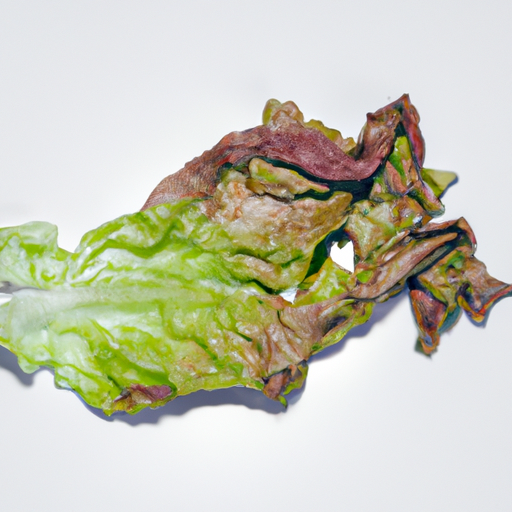
Slimy texture, off odor, discoloration
Salads, sandwiches, wraps
Spinach, arugula
Over time, chopped lettuce will start to wilt and lose its crispness. While it may still be safe to eat within a certain timeframe, the quality diminishes rapidly. It is important to differentiate between expiration, which indicates when the food is no longer safe to consume, and best quality, which refers to the peak freshness and taste.
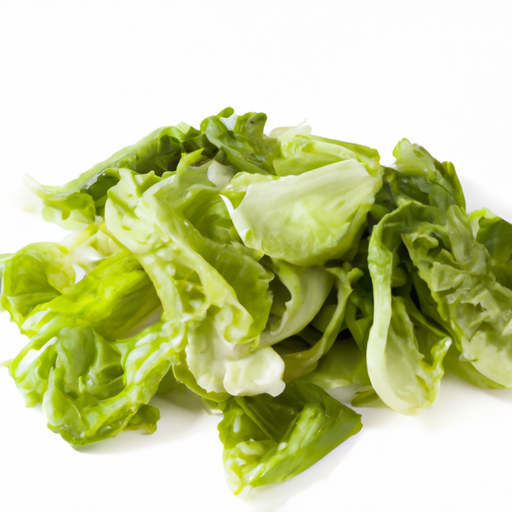
To check if Lettuce Fresh Chopped has gone bad, look for any dark or slimy spots, a foul odor, or a slimy texture. Fresh lettuce should have a vibrant green color, a fresh smell, and a crisp texture. If you notice any of these signs, it's best to discard the lettuce to prevent foodborne illnesses.
Lettuce, especially when chopped, can be susceptible to contamination by pathogens such as E. coli and Salmonella. To prevent foodborne illnesses, it is crucial to wash lettuce thoroughly before chopping and consuming. High-risk scenarios include leaving chopped lettuce at room temperature for extended periods.
To prolong the freshness of chopped lettuce, store it in an airtight container with a paper towel to absorb excess moisture. Keeping lettuce in the crisper drawer of the refrigerator can also help maintain its crisp texture. Avoid freezing chopped lettuce as it will lose its crunchiness.
Lettuce has been cultivated for over 4500 years and holds significance in various cultures. Ancient Egyptians considered lettuce a symbol of fertility and love. In Roman mythology, lettuce was associated with the god of sleep, Hypnos. Different varieties of lettuce are used in diverse cuisines worldwide, from Caesar salads to Asian wraps.
It's not recommended to store Lettuce Fresh Chopped next to raw meat in the fridge to prevent cross-contamination. Raw meat can potentially transfer harmful bacteria to the lettuce, increasing the risk of foodborne illnesses. Keep Lettuce Fresh Chopped in a separate compartment or below raw meat to avoid any drips or spills.
Leaving Lettuce Fresh Chopped at room temperature for an extended period can lead to bacterial growth and spoilage. It's best to store Lettuce Fresh Chopped in the fridge at all times to maintain freshness and reduce the risk of foodborne illnesses. If left out for more than 2 hours, discard it to ensure food safety.
Lettuce Fresh Chopped does not freeze well due to its high water content, resulting in a mushy texture when thawed. Freezing can cause cell damage, affecting the crispness and overall quality of the lettuce. It's best to consume Lettuce Fresh Chopped fresh for the best taste and texture.
Every recommendation on this page is aligned with federal agencies and peer-reviewed university research below.
Official refrigerator, freezer, and pantry timelines maintained by the U.S. Department of Agriculture.
Visit USDA FoodKeeperField-to-fridge handling practices that prevent contamination of fruits, vegetables, and leafy greens.
Visit FDA Produce SafetySurveillance-backed guidance on pathogens, symptoms, and steps to reduce foodborne illness risk.
Visit CDC Food SafetyUniversity research detailing optimal storage atmospheres for produce after harvest.
Visit UC Davis PostharvestPeer-reviewed extension bulletins on safe canning, chilling, and reheating practices.
Visit Penn State ExtensionNeed deeper reading? Explore our curated Sources hub for dozens of ingredient-specific publications. Our food safety review methodology explains how safety determinations are made.
Dairy Products
View expiration date and storage guide →
Beverages
View expiration date and storage guide →
Cooking Ingredients
View expiration date and storage guide →
Beverages
View expiration date and storage guide →
Ready-to-Eat Meals
View expiration date and storage guide →
Dairy Products
View expiration date and storage guide →
Breakfast Foods
View expiration date and storage guide →
Dairy Products
View expiration date and storage guide →
Dairy Products
View expiration date and storage guide →
Important: These are general guidelines based on authoritative sources listed above. Always use your best judgment and when in doubt, throw it out. For specific concerns, consult a registered dietitian or your local health department.
Disclosure: As an Amazon Associate, we earn from qualifying purchases. This helps support our site and allows us to continue providing free food safety information.