USDAOfficial guidance
USDA FoodKeeper – Cold Storage Guidelines
Official refrigerator, freezer, and pantry timelines maintained by the U.S. Department of Agriculture.
Visit USDA FoodKeeperStorage temperature, how long it has been opened, and package integrity change the answer — and those details are easy to miss.
Get a yes / no answer for your lactose free milk →
Last reviewed: January 2026
Reviewed by the Can I Eat Expired Editorial Team using official USDA, FDA, and CDC food safety guidance. How we assess food safety risk
May be safe if properly stored and showing no spoilage signs. Check carefully before consuming.
⏱️ Safe for up to 3 days after expiry if properly stored and showing no spoilage signs.
⚠️ Eating spoiled dairy is one of the most common causes of food poisoning at home.
Fridge
0-4°C / 32-40°F (fridge)
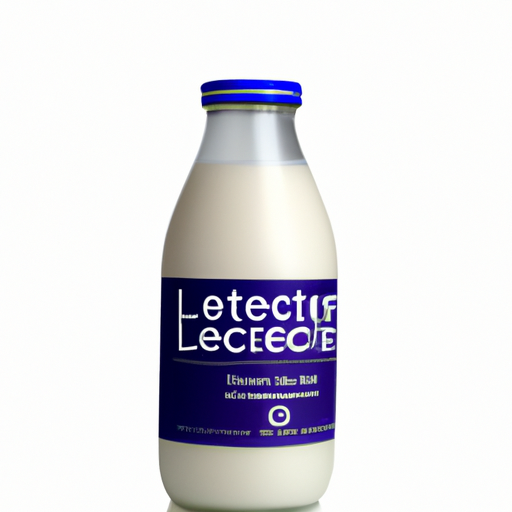
Store lactose free milk in its original container, tightly sealed. Keep it in the coldest part of the refrigerator, not in the door, to maintain a consistent temperature.
Dairy products require consistent cold storage (40°F or below) to prevent spoilage. A refrigerator thermometer (Amazon) helps ensure your refrigerator maintains safe temperatures.
7 days
30 days
Lactose free milk may spoil if it develops an off smell, changes in color, or curdles. Always check for any unusual texture or taste before consumption.
Transferring opened dairy into an airtight container (Amazon) can reduce odor absorption and moisture exposure.
Lactose free milk can be used in baking, cooking, or as a substitute for regular milk in smoothies and cereals.
Common substitutes for lactose free milk include almond milk, soy milk, or oat milk, though these may alter flavor and texture.
The dates are manufacturer guidance and not absolute safety indicators to consume for a short period, but quality may degrade.
To determine if lactose-free milk has gone bad, check for any changes in appearance, such as clumping or curdling, and look for an off-white or yellowish hue. Smell the milk; if it has a sour or unpleasant odor, it's likely spoiled. Additionally, if the texture is thicker or grainy instead of smooth and creamy, it's a sign that the milk has deteriorated.
Improper storage or consumption of spoiled lactose free milk can lead to foodborne illness. Symptoms may include nausea, vomiting, and diarrhea. Always observe proper hygiene and storage practices.
To extend shelf life, consider freezing lactose free milk in ice cube trays for easy portioning. Thaw in the refrigerator before use and shake well to recombine.
Lactose free milk is popular among those with lactose intolerance, a condition affecting a significant portion of the global population. It allows individuals to enjoy dairy without discomfort.
Once opened, Lactose Free Milk typically remains safe to consume for about 7 days if stored properly in the fridge. However, it’s best to check for any off smells or changes in texture. If you're unsure, it's a good practice to use it within 5 days for optimal freshness.
Yes, if Lactose Free Milk has been at room temperature for 2 hours, it should still be safe to consume. However, if it exceeds 2 hours, especially in warm environments, the risk of spoilage increases. Always check for any odd smells or changes in consistency before consuming.
Yes, the type of container can impact the shelf life of Lactose Free Milk. Milk stored in airtight containers or cartons that prevent light exposure can last longer than those in less protective packaging. Always reseal the container tightly after use to maintain freshness.
Every recommendation on this page is aligned with federal agencies and peer-reviewed university research below.
Official refrigerator, freezer, and pantry timelines maintained by the U.S. Department of Agriculture.
Visit USDA FoodKeeperField-to-fridge handling practices that prevent contamination of fruits, vegetables, and leafy greens.
Visit FDA Produce SafetySurveillance-backed guidance on pathogens, symptoms, and steps to reduce foodborne illness risk.
Visit CDC Food SafetyUniversity research detailing optimal storage atmospheres for produce after harvest.
Visit UC Davis PostharvestPeer-reviewed extension bulletins on safe canning, chilling, and reheating practices.
Visit Penn State ExtensionNeed deeper reading? Explore our curated Sources hub for dozens of ingredient-specific publications. Our food safety review methodology explains how safety determinations are made.
Fruits & Vegetables
View expiration date and storage guide →
Beverages
View expiration date and storage guide →
Cooking Ingredients
View expiration date and storage guide →
Beverages
View expiration date and storage guide →
Fruits & Vegetables
View expiration date and storage guide →
Ready-to-Eat Meals
View expiration date and storage guide →
Breakfast Foods
View expiration date and storage guide →
Herbs and Fresh Produce
View expiration date and storage guide →
Fruits & Vegetables
View expiration date and storage guide →
Important: These are general guidelines based on authoritative sources listed above. Always use your best judgment and when in doubt, throw it out. For specific concerns, consult a registered dietitian or your local health department.
Disclosure: As an Amazon Associate, we earn from qualifying purchases. This helps support our site and allows us to continue providing free food safety information.