USDAOfficial guidance
USDA FoodKeeper – Cold Storage Guidelines
Official refrigerator, freezer, and pantry timelines maintained by the U.S. Department of Agriculture.
Visit USDA FoodKeeperStorage conditions, initial freshness, and proper handling change the answer — and those details are easy to miss.
Last reviewed: January 2026
Reviewed by the Can I Eat Expired Editorial Team using official USDA, FDA, and CDC food safety guidance. How we assess food safety risk
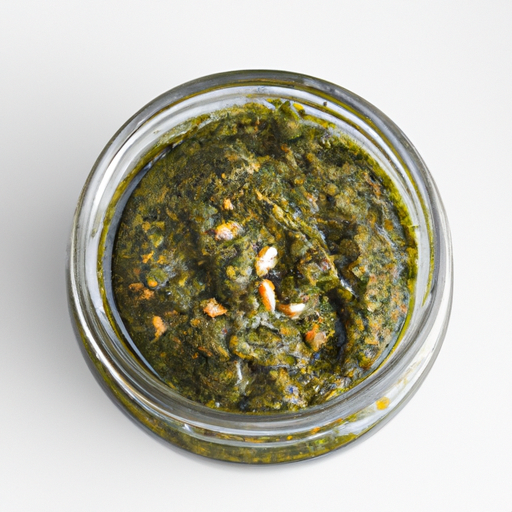
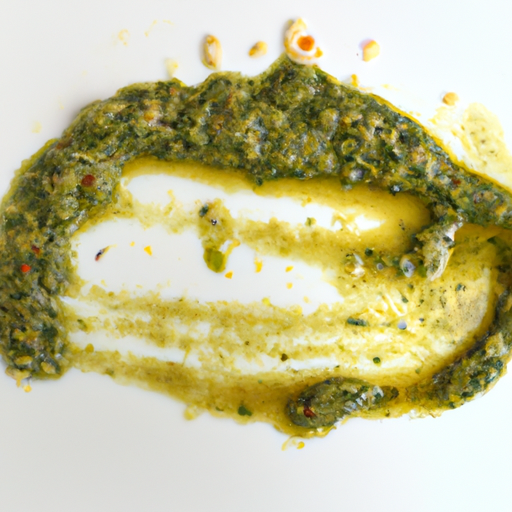
May be safe if properly stored and showing no spoilage signs. Check carefully before consuming.
⏱️ Safe for up to 7 days after expiry if properly stored and showing no spoilage signs.
Get a yes / no answer for your pesto →
Fridge
0-4°C / 32-40°F (fridge)
Store jarred pesto in the refrigerator after opening. Keep it tightly sealed to minimize exposure to air. If freezing, transfer to an airtight container, leaving space for expansion.
14 days
30 days
Signs of spoilage in jarred pesto include off odors, discoloration, mold growth, or separation of oil. If any of these are present, discard the product.
Jarred pesto can be used as a sauce for pasta, a spread for sandwiches, or a flavor enhancer in soups and marinades.
Common substitutes for pesto include sun-dried tomato spread, hummus, or a homemade blend of basil, garlic, olive oil, and nuts.
The dates are manufacturer guidance and not absolute safety indicators, but quality may decline.
To determine if jarred pesto has gone bad, check for any discoloration, such as darkening or an off-color hue, and look for mold or separation of oil on the surface. Smell the pesto; if it has an off or sour odor instead of the fresh, herbal scent, it's a sign it may be spoiled. Additionally, if the texture has become unusually thick, grainy, or watery, it's best to discard it.
Improper storage or extended exposure to air can lead to bacterial growth. Always use clean utensils when scooping pesto to prevent contamination.
To extend freshness, consider freezing pesto in ice cube trays. This allows for easy portioning and use in future recipes without thawing the entire jar.
Pesto originated in Genoa, Italy, and traditionally includes basil, garlic, pine nuts, Parmesan cheese, and olive oil. It has become popular worldwide as a versatile condiment.
Once opened, Jarred Pesto is best consumed within 14 days for optimal quality. However, it can be safe to eat up to 7 days past its expiration date if stored correctly in the fridge. Always check for any signs of spoilage before consuming.
If Jarred Pesto has been left out at room temperature for 4 hours, it's generally advisable to discard it. Although it may still be safe, the risk of bacterial growth increases significantly after 2 hours, especially in a medium-risk food like pesto.
Yes, the container type can impact Jarred Pesto's shelf life. Glass jars typically provide a better seal than plastic, helping to keep air and bacteria out. Always ensure the lid is tightly sealed after use to maximize freshness and prevent spoilage.
Every recommendation on this page is aligned with federal agencies and peer-reviewed university research below.
Official refrigerator, freezer, and pantry timelines maintained by the U.S. Department of Agriculture.
Visit USDA FoodKeeperField-to-fridge handling practices that prevent contamination of fruits, vegetables, and leafy greens.
Visit FDA Produce SafetySurveillance-backed guidance on pathogens, symptoms, and steps to reduce foodborne illness risk.
Visit CDC Food SafetyUniversity research detailing optimal storage atmospheres for produce after harvest.
Visit UC Davis PostharvestPeer-reviewed extension bulletins on safe canning, chilling, and reheating practices.
Visit Penn State ExtensionImportant: These are general guidelines based on authoritative sources listed above. Always use your best judgment and when in doubt, throw it out.