USDAOfficial guidance
USDA FoodKeeper – Cold Storage Guidelines
Official refrigerator, freezer, and pantry timelines maintained by the U.S. Department of Agriculture.
Visit USDA FoodKeeperLast reviewed: January 2026
Reviewed by the Can I Eat Expired Editorial Team using official USDA, FDA, and CDC food safety guidance. How we assess food safety risk
Storage conditions, initial freshness, and potential contamination change the answer — and those details are easy to miss.
Get a yes / no answer for your jackfruit →
Check Your Exact SituationThis food is often safe when handled and stored properly, but safety depends on how it's been kept and whether any spoilage signs are present.
⏱️ Safe for up to 3 days after expiry if properly stored and showing no spoilage signs.
Countertop
Room temperature
Keep at room temperature until ripe, then refrigerate
Proper airflow and humidity control can extend produce freshness. Using produce storage containers (Amazon) in the refrigerator helps regulate moisture and slow spoilage.
7 days
90 days
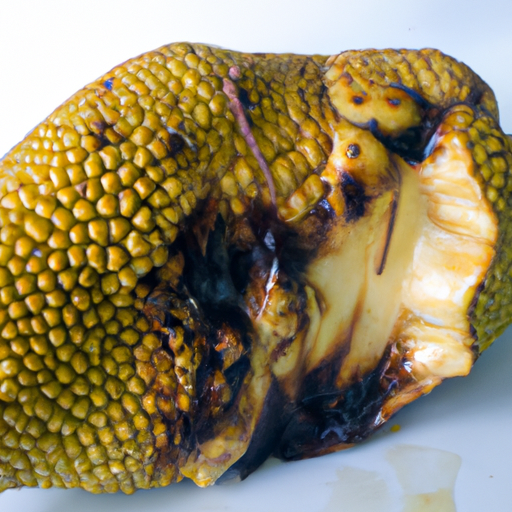
Mushy texture, fermentation smell, black spots
Use in curries or vegan pulled “pork”
Durian, mango
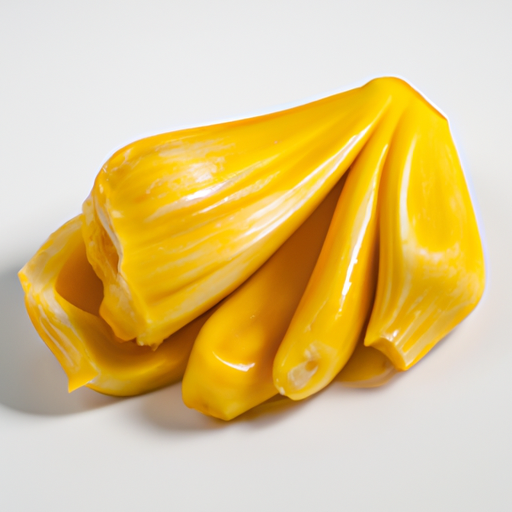
Jackfruit does not have a strict expiration date like perishable items. When stored properly, fresh jackfruit can last up to a week at room temperature and up to two weeks when refrigerated. However, as time passes, the fruit may lose its flavor and texture, affecting the overall quality. It is best to consume jackfruit within a few days of purchase to enjoy it at its peak freshness.
To determine if Jackfruit has gone bad, look for visual signs such as mold, dark spots, or a slimy appearance. Check for a sour or unpleasant smell, as this can indicate spoilage. Additionally, a mushy or slimy texture is a clear indication that the Jackfruit is no longer fresh.
Jackfruit is a tropical fruit that is generally safe to eat, but some individuals may be allergic to it. People with latex allergies may also be sensitive to jackfruit due to cross-reactivity. Additionally, the sap from the jackfruit tree can cause skin irritation in some individuals. To minimize risks, it is important to wash your hands after handling jackfruit and avoid direct contact with the sap.
To store fresh jackfruit, keep it in a cool, dry place away from direct sunlight. If the fruit is unripe, you can store it in the refrigerator to slow down the ripening process. Once cut, wrap any leftover jackfruit tightly in plastic wrap or place it in an airtight container to prevent dehydration and odors from affecting its flavor. You can also freeze ripe jackfruit for longer storage, but the texture may change slightly upon thawing.
Jackfruit is the largest tree fruit in the world and is commonly found in tropical regions of Asia, Africa, and South America. It is known for its distinct sweet aroma and fibrous texture, often compared to a blend of pineapple, mango, and banana. In many cultures, jackfruit is a versatile ingredient used in both savory and sweet dishes. It has gained popularity as a meat substitute for its meaty texture, making it a favorite among vegans and vegetarians.
If Jackfruit has been stored at room temperature for 2 days, it is safe to consume within 3 days of the expiration date. Check for any signs of spoilage such as off smells, mold, or texture changes before consuming. If it appears normal, you can enjoy it within the safe window.
Freezing Jackfruit can alter its texture slightly. When thawed, the fruit may become softer and slightly mushy compared to its fresh state. This change in texture is normal and doesn't affect its safety. Consider using frozen Jackfruit in smoothies or cooked dishes for the best results.
Yes, the type of container can impact Jackfruit's shelf life. Opt for airtight containers to extend its freshness. Plastic containers or resealable bags work well for storing Jackfruit in the fridge. Avoid using containers that are not airtight, as they can cause the fruit to spoil faster.
Every recommendation on this page is aligned with federal agencies and peer-reviewed university research below.
Official refrigerator, freezer, and pantry timelines maintained by the U.S. Department of Agriculture.
Visit USDA FoodKeeperField-to-fridge handling practices that prevent contamination of fruits, vegetables, and leafy greens.
Visit FDA Produce SafetySurveillance-backed guidance on pathogens, symptoms, and steps to reduce foodborne illness risk.
Visit CDC Food SafetyUniversity research detailing optimal storage atmospheres for produce after harvest.
Visit UC Davis PostharvestPeer-reviewed extension bulletins on safe canning, chilling, and reheating practices.
Visit Penn State ExtensionStorage: Fridge
View guide →
Storage: Fridge
View guide →
Storage: Pantry
View guide →
Storage: Fridge
View guide →
Storage: Fridge
View guide →
Storage: Fridge
View guide →
Storage: Fridge
View guide →
Storage: Fridge
View guide →
Storage: Fridge
View guide →
Important: These are general guidelines based on authoritative sources listed above. Always use your best judgment and when in doubt, throw it out.
Disclosure: As an Amazon Associate, we earn from qualifying purchases. This helps support our site and allows us to continue providing free food safety information.