USDAOfficial guidance
USDA FoodKeeper – Cold Storage Guidelines
Official refrigerator, freezer, and pantry timelines maintained by the U.S. Department of Agriculture.
Visit USDA FoodKeeperLast reviewed: January 2026
Reviewed by the Can I Eat Expired Editorial Team using official USDA, FDA, and CDC food safety guidance. How we assess food safety risk
Storage conditions, initial freshness, and proper handling change the answer — and those details are easy to miss.
Get a yes / no answer for your instant yeast →
Check Your Exact SituationThis food is often safe when handled and stored properly, but safety depends on how it's been kept and whether any spoilage signs are present.
⏱️ Safe for up to 30 days after expiry if properly stored and showing no spoilage signs.
Pantry
20-25°C / 68-77°F (room temperature)
Store in a cool, dry place in an airtight container. For longer shelf life, keep in the refrigerator or freezer.
Baking ingredients like flour and sugar stay fresher when protected from moisture and pests. airtight storage containers (Amazon) help prevent clumping, spoilage, and pest contamination.
12 days
90 days
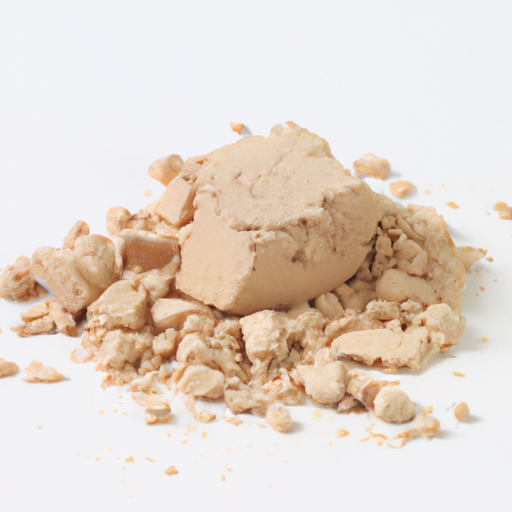
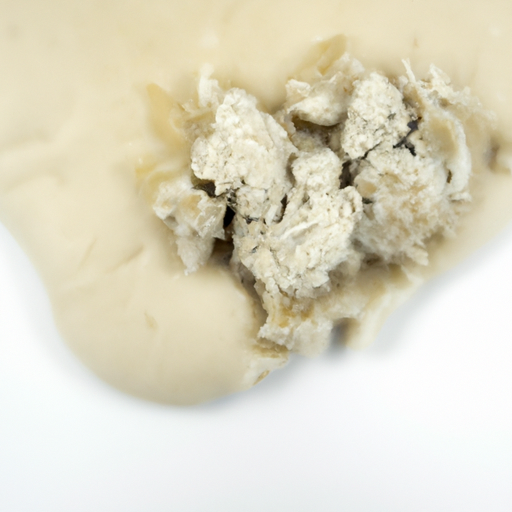
Instant yeast may lose potency over time, resulting in poor rising of dough. If it has clumped together or shows signs of discoloration, it should be discarded.
Instant yeast can be used in various baking recipes, including bread, rolls, and pizza dough, and can also be added to doughs for quick fermentation.
Active dry yeast can be substituted for instant yeast in a 1:1 ratio, but may require proofing in warm water before use.
The dates are manufacturer guidance and not absolute safety indicators to use but may not perform as well.
To determine if instant yeast has gone bad, check for any clumping or discoloration in the granules, as they should be free-flowing and light tan. If the yeast has an off or sour smell instead of a fresh, yeasty aroma, it may no longer be viable. Additionally, if you mix it with warm water and sugar and it doesn't bubble or foam within a few minutes, it's best to replace it.
Instant yeast is generally safe to consume. However, improper storage can lead to contamination. Ensure that yeast is stored in a clean, dry environment to avoid spoilage.
For optimal freshness, keep instant yeast in the freezer. Divide into smaller portions to avoid repeated thawing and refreezing, which can degrade quality.
Instant yeast was developed in the 20th century and revolutionized baking by reducing the time needed for dough to rise, making it a favorite among home bakers.
Leaving Instant Yeast out at room temperature for 6 hours can affect its potency, but it's typically safe to use if it doesn't show any signs of spoilage. However, the yeast may not perform as well in your baking. For best results, always store it in a cool, dry place and return it to the pantry as soon as possible.
Once opened, Instant Yeast can generally be used for about 12 days if stored correctly in a cool, dry place. After this period, while it may still be safe to use for up to 30 days past the expiry date, its effectiveness may decrease. Always test its potency by mixing it with warm water and sugar; if it bubbles, it's still good to use.
If Instant Yeast has been left out at room temperature for 24 hours, it is advisable to discard it. Although it might not be harmful, the yeast's ability to leaven bread could be significantly reduced. Always store it in a cool, dry environment for optimal performance.
Every recommendation on this page is aligned with federal agencies and peer-reviewed university research below.
Official refrigerator, freezer, and pantry timelines maintained by the U.S. Department of Agriculture.
Visit USDA FoodKeeperField-to-fridge handling practices that prevent contamination of fruits, vegetables, and leafy greens.
Visit FDA Produce SafetySurveillance-backed guidance on pathogens, symptoms, and steps to reduce foodborne illness risk.
Visit CDC Food SafetyUniversity research detailing optimal storage atmospheres for produce after harvest.
Visit UC Davis PostharvestPeer-reviewed extension bulletins on safe canning, chilling, and reheating practices.
Visit Penn State ExtensionStorage: Pantry
View guide →
Storage: Cool Dark Place
View guide →
Storage: Fridge
View guide →
Storage: Pantry
View guide →
Storage: Pantry
View guide →
Storage: Pantry
View guide →
Storage: Pantry
View guide →
Storage: Pantry
View guide →
Storage: Pantry
View guide →
Important: These are general guidelines based on authoritative sources listed above. Always use your best judgment and when in doubt, throw it out.
Disclosure: As an Amazon Associate, we earn from qualifying purchases. This helps support our site and allows us to continue providing free food safety information.