USDAOfficial guidance
USDA FoodKeeper – Cold Storage Guidelines
Official refrigerator, freezer, and pantry timelines maintained by the U.S. Department of Agriculture.
Visit USDA FoodKeeperLast reviewed: January 2026
Reviewed by the Can I Eat Expired Editorial Team using official USDA, FDA, and CDC food safety guidance. How we assess food safety risk
Storage conditions, initial freshness, and proper handling change the answer — and those details are easy to miss.
Get a yes / no answer for your instant ramen bowls →
Check Your Exact SituationThis food is often safe when handled and stored properly, but safety depends on how it's been kept and whether any spoilage signs are present.
⏱️ Safe for up to 30 days after expiry if properly stored and showing no spoilage signs.
Pantry
20-25°C / 68-77°F (room temperature)
Store in a cool, dry place away from direct sunlight. Keep the packaging sealed until ready to use to maintain freshness.
12 days
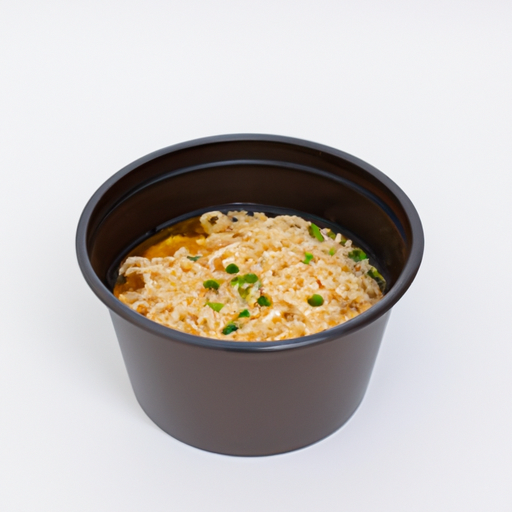
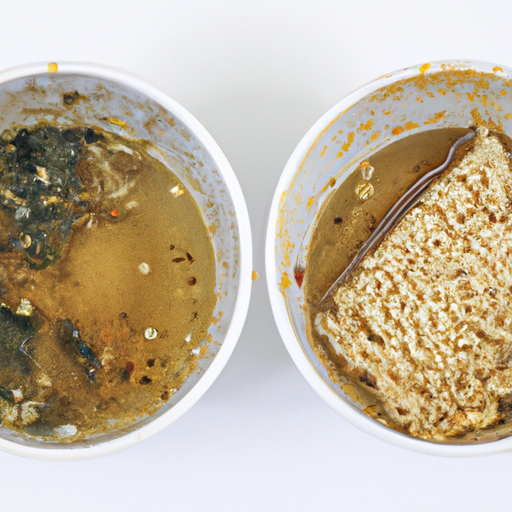
Instant ramen bowls typically do not spoil in the traditional sense but may lose flavor and texture over time. Look for signs such as a stale smell, discoloration of the noodles, or an off odor from the seasoning packets.
Instant ramen can be used as a base for stir-fries, soups, or salads. You can also incorporate vegetables, proteins, or sauces to enhance nutritional value.
If you don't have instant ramen, consider using other types of noodles such as udon, soba, or rice noodles, adjusting cooking times as necessary.
The expiration date on instant ramen indicates the last date for peak quality. After this date, the product may still be safe to eat but could have diminished flavor and texture. Always assess the product before consumption.
To determine if Instant Ramen Bowls have gone bad, check for any visible signs like mold or discoloration on the packaging or inside the bowl. Smell the contents; if there is an off or sour odor, it's a sign that they should not be consumed. Lastly, inspect the texture of the noodles; if they feel excessively dry, brittle, or have an unusual slimy texture, it's best to discard them.
Instant ramen bowls are generally safe, but improper storage can lead to contamination. Always check for any visible signs of damage or spoilage before consumption. Avoid consuming if the packaging is compromised.
To enhance flavor, consider adding fresh ingredients like vegetables or proteins during cooking. For a quick meal, boil water and add the noodles directly to the pot instead of using a microwave.
Instant ramen was invented in Japan in 1958 and has since become a global staple, known for its convenience and affordability. It is often used in various culinary traditions around the world, from quick meals to gourmet dishes.
If Instant Ramen Bowls has been left at room temperature for 4 hours, it’s generally safe to consume if it shows no signs of spoilage. However, the quality may have deteriorated. Check for unusual odors, texture changes, or visible mold. When in doubt, it’s safer to discard it to avoid foodborne illness.
Once opened, Instant Ramen Bowls should ideally be consumed within 12 days if stored properly in a cool, dry pantry. If you’ve opened the package but not cooked the noodles, you can still eat them up to 30 days past the expiration date, but be cautious about quality decline. Always check for signs of spoilage before consuming.
Yes, you can eat Instant Ramen Bowls that have been at room temperature for a few hours, especially if the package is unopened. However, if cooked and left out for more than 2 hours, it’s best to discard them to prevent any food safety issues.
Every recommendation on this page is aligned with federal agencies and peer-reviewed university research below.
Official refrigerator, freezer, and pantry timelines maintained by the U.S. Department of Agriculture.
Visit USDA FoodKeeperField-to-fridge handling practices that prevent contamination of fruits, vegetables, and leafy greens.
Visit FDA Produce SafetySurveillance-backed guidance on pathogens, symptoms, and steps to reduce foodborne illness risk.
Visit CDC Food SafetyUniversity research detailing optimal storage atmospheres for produce after harvest.
Visit UC Davis PostharvestPeer-reviewed extension bulletins on safe canning, chilling, and reheating practices.
Visit Penn State ExtensionStorage: Pantry
View guide →
Storage: Pantry
View guide →
Storage: Pantry
View guide →
Storage: Pantry
View guide →
Storage: Pantry
View guide →
Storage: Pantry
View guide →
Storage: Pantry
View guide →
Storage: Pantry
View guide →
Storage: Pantry
View guide →
Important: These are general guidelines based on authoritative sources listed above. Always use your best judgment and when in doubt, throw it out.