USDAOfficial guidance
USDA FoodKeeper – Cold Storage Guidelines
Official refrigerator, freezer, and pantry timelines maintained by the U.S. Department of Agriculture.
Visit USDA FoodKeeperLast reviewed: January 2026
Reviewed by the Can I Eat Expired Editorial Team using official USDA, FDA, and CDC food safety guidance. How we assess food safety risk
Storage conditions, initial freshness, and proper handling change the answer — and those details are easy to miss.
Get a yes / no answer for your instant falafel mix →
Check Your Exact SituationMay be safe if properly stored and showing no spoilage signs. Check carefully before consuming.
⏱️ Safe for up to 30 days after expiry if properly stored and showing no spoilage signs.
Pantry
50°F (10°C)
Store in a cool, dry place away from direct sunlight.
365 days
Mold growth, off smell, unusual texture
Falafel burger patties, topping for salads, stuffing for wraps
Homemade falafel mix, chickpea flour
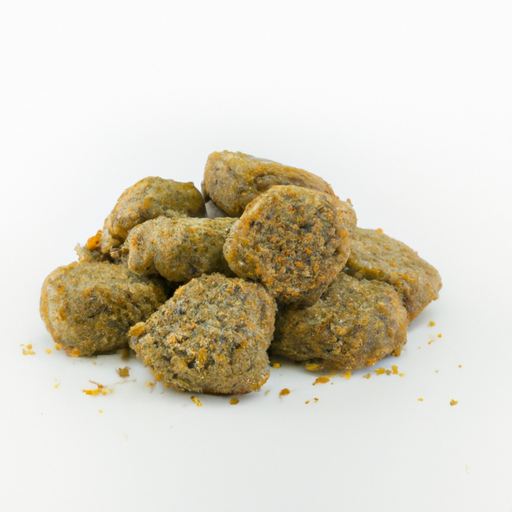
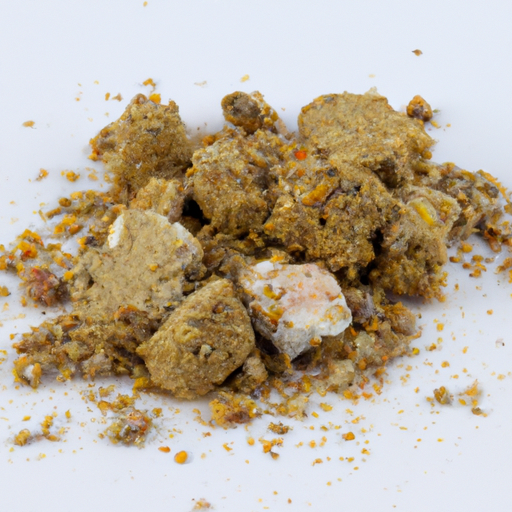
Instant falafel mix has a shelf life of about 6-12 months, but its best quality in terms of flavor and texture is within the first 6 months. Over time, the mix may lose its crunchiness and freshness, although it remains safe to eat as long as stored properly.
To determine if Instant Falafel Mix has spoiled, check for any signs of mold growth, an off or sour smell, or a change in texture such as clumping or hardening. If you notice any of these indicators, it's best to discard the mix to avoid any potential food safety issues.
Consuming undercooked falafel mix can pose risks of foodborne illnesses such as Salmonella and E. coli. To prevent this, ensure the mix is cooked to the recommended internal temperature of 165°F (74°C) and avoid cross-contamination with other raw ingredients.
For optimal storage, keep the instant falafel mix in an airtight container in a cool, dry place away from direct sunlight. To enhance the flavor, you can add a pinch of cumin or coriander when preparing the mix. Additionally, adding a small amount of baking powder can help the falafel become fluffier when fried.
Falafel is a popular Middle Eastern dish made from ground chickpeas or fava beans. It is believed to have originated in Egypt over a thousand years ago. Falafel holds cultural significance in many countries and is often associated with street food culture.
Instant Falafel Mix should not be consumed if left at room temperature for a day, as it increases the risk of bacterial growth and spoilage. To ensure food safety, always store Instant Falafel Mix in a cool, dry place away from direct sunlight and heat sources.
Cooking Instant Falafel Mix does not significantly affect its shelf life if stored properly. However, once cooked, it should be consumed promptly or refrigerated within 2 hours. Reheated leftovers should reach an internal temperature of 165°F (74°C) to ensure they are safe to eat.
Shelf life can vary between different brands of Instant Falafel Mix due to variations in ingredients and preservatives used. Always refer to the expiration date on the package for specific shelf life information. It's advisable to choose reputable brands known for their quality and food safety standards.
Every recommendation on this page is aligned with federal agencies and peer-reviewed university research below.
Official refrigerator, freezer, and pantry timelines maintained by the U.S. Department of Agriculture.
Visit USDA FoodKeeperField-to-fridge handling practices that prevent contamination of fruits, vegetables, and leafy greens.
Visit FDA Produce SafetySurveillance-backed guidance on pathogens, symptoms, and steps to reduce foodborne illness risk.
Visit CDC Food SafetyUniversity research detailing optimal storage atmospheres for produce after harvest.
Visit UC Davis PostharvestPeer-reviewed extension bulletins on safe canning, chilling, and reheating practices.
Visit Penn State ExtensionStorage: Pantry
View guide →
Storage: Pantry
View guide →
Storage: Pantry
View guide →
Storage: Pantry
View guide →
Storage: Pantry
View guide →
Storage: Pantry
View guide →
Storage: Pantry
View guide →
Storage: Pantry
View guide →
Storage: Pantry
View guide →
Important: These are general guidelines based on authoritative sources listed above. Always use your best judgment and when in doubt, throw it out.