USDAOfficial guidance
USDA FoodKeeper – Cold Storage Guidelines
Official refrigerator, freezer, and pantry timelines maintained by the U.S. Department of Agriculture.
Visit USDA FoodKeeperLast reviewed: January 2026
Reviewed by the Can I Eat Expired Editorial Team using official USDA, FDA, and CDC food safety guidance. How we assess food safety risk
Storage temperature, initial freshness, and how they have been handled change the answer — and those details are easy to miss.
Get a yes / no answer for your ikan bilis →
Check Your Exact SituationMay be safe if properly stored and showing no spoilage signs. Check carefully before consuming.
⏱️ Safe for up to 7 days after expiry if properly stored and showing no spoilage signs.
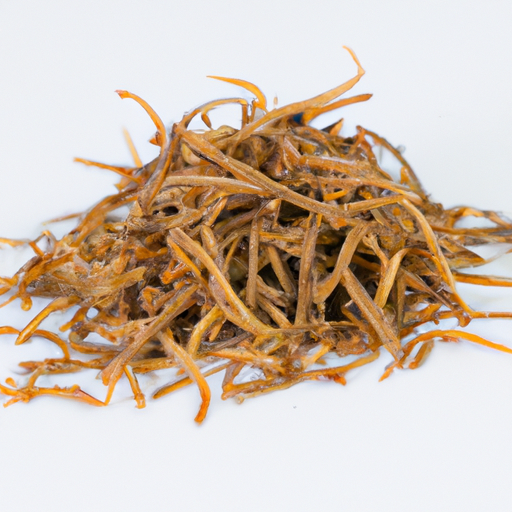
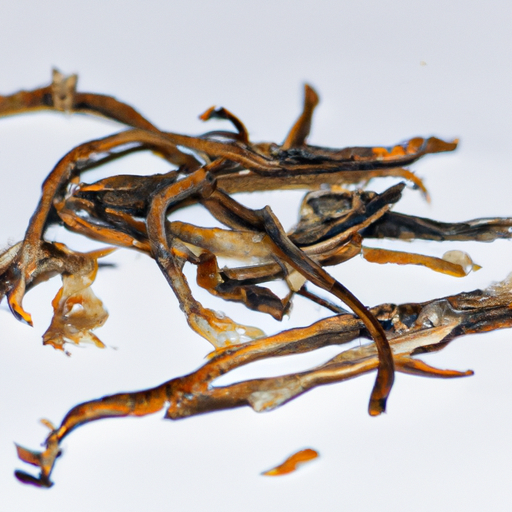
Fridge
0-4°C / 32-40°F (fridge)
Store Ikan Bilis in an airtight container in the refrigerator to maintain freshness. For longer storage, freeze in a vacuum-sealed bag.
Consistent cold storage is essential for food safety. A refrigerator thermometer (Amazon) helps monitor refrigerator temperature and ensures food stays at safe levels (40°F or below).
30 days
90 days
Ikan Bilis may develop an off odor, discoloration, or a slimy texture. If any of these signs are present, discard the product immediately.
Proper packaging helps prevent freezer burn and contamination. Using freezer-safe storage bags (Amazon) can help preserve food quality during freezer storage.
Ikan Bilis can be used as a flavor enhancer in soups, stews, and salads, or as a crunchy topping for various dishes.
Dried anchovies or other small dried fish can be used as substitutes for Ikan Bilis in recipes requiring similar flavors.
The dates are manufacturer guidance and not absolute safety indicators to eat shortly after this date if stored correctly, but quality may decline.
To determine if Ikan Bilis has gone bad, check for a dull or discolored appearance instead of the usual shiny, translucent look. It should smell fresh and briny; a sour or off odor indicates spoilage. Additionally, the texture should be firm and crispy—if it feels soft or mushy, it's best to discard it.
Improper storage of Ikan Bilis can lead to bacterial growth, increasing the risk of foodborne illnesses. Always refrigerate or freeze to minimize risk.
To extend shelf life, consider freezing Ikan Bilis in smaller portions. This allows for easy thawing and reduces waste while maintaining freshness.
Ikan Bilis, or dried anchovies, are a staple in Southeast Asian cuisine, often used to add umami flavor to dishes. They are also rich in omega-3 fatty acids.
If Ikan Bilis has been left out at room temperature for 4 hours, it is generally safe to consume as long as there are no visible signs of spoilage, such as off smells or discoloration. However, leaving it out can compromise its quality and increase the risk of bacterial growth. Always err on the side of caution; if you're uncertain, it's best to discard it to avoid foodborne illness.
Once opened, Ikan Bilis should be consumed within 30 days if stored properly in the fridge. After this period, while it might still be safe for up to 7 additional days, the quality could decline. Always check for any signs of spoilage before consuming it after the initial 30 days.
Yes, if Ikan Bilis has been at room temperature for 2 hours, it should still be safe to eat, provided it was stored properly before and shows no signs of spoilage. However, the longer it remains at room temperature, the higher the risk of bacterial growth. Always aim to return it to the fridge promptly.
Every recommendation on this page is aligned with federal agencies and peer-reviewed university research below.
Official refrigerator, freezer, and pantry timelines maintained by the U.S. Department of Agriculture.
Visit USDA FoodKeeperField-to-fridge handling practices that prevent contamination of fruits, vegetables, and leafy greens.
Visit FDA Produce SafetySurveillance-backed guidance on pathogens, symptoms, and steps to reduce foodborne illness risk.
Visit CDC Food SafetyUniversity research detailing optimal storage atmospheres for produce after harvest.
Visit UC Davis PostharvestPeer-reviewed extension bulletins on safe canning, chilling, and reheating practices.
Visit Penn State ExtensionStorage: Fridge
View guide →
Storage: Fridge
View guide →
Storage: Freezer
View guide →
Storage: Fridge
View guide →
Storage: Fridge
View guide →
Storage: Fridge
View guide →
Storage: Freezer
View guide →
Storage: Fridge
View guide →
Storage: Fridge
View guide →
Important: These are general guidelines based on authoritative sources listed above. Always use your best judgment and when in doubt, throw it out.
Disclosure: As an Amazon Associate, we earn from qualifying purchases. This helps support our site and allows us to continue providing free food safety information.