USDAOfficial guidance
USDA FoodKeeper – Cold Storage Guidelines
Official refrigerator, freezer, and pantry timelines maintained by the U.S. Department of Agriculture.
Visit USDA FoodKeeperLast reviewed: January 2026
Reviewed by the Can I Eat Expired Editorial Team using official USDA, FDA, and CDC food safety guidance. How we assess food safety risk
Storage conditions, initial freshness, and proper handling change the answer — and those details are easy to miss.
Get a yes / no answer for your hummus sold →
Check Your Exact SituationMay be safe if properly stored and showing no spoilage signs. Check carefully before consuming.
⏱️ Safe for up to 2 days after expiry if properly stored and showing no spoilage signs.
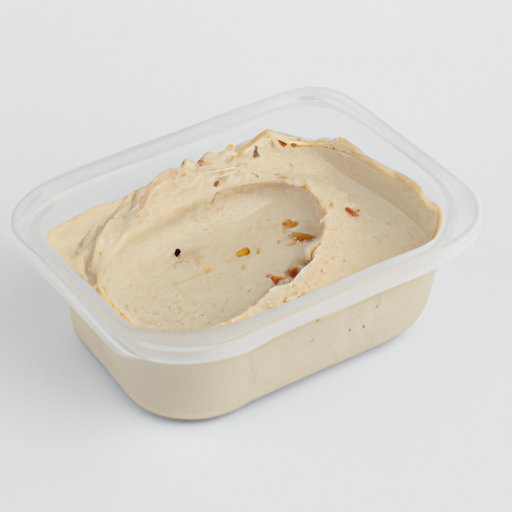
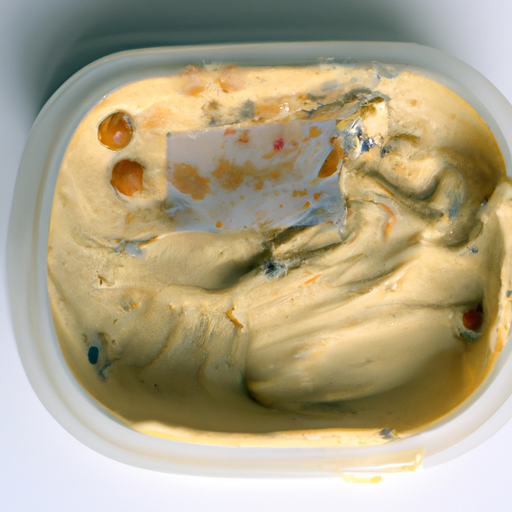
Fridge
35-40°F (1.6-4.4°C)
Keep tightly sealed in original container
5 days
Unpleasant odor, mold growth, separation of liquids, change in color
As a sandwich spread, in salad dressings, as a dip for vegetables
Other dips like tzatziki, baba ghanoush
The expiration date on commercially packaged hummus indicates the date until which the product is guaranteed to be at its peak quality in terms of flavor, texture, and safety. Consuming hummus after the expiration date can still be safe if it has been stored properly, but the quality may deteriorate over time. It's best to follow the 'best by' or 'use by' date for optimal quality. If the hummus shows any signs of spoilage, such as off odors, mold, or unusual texture, it should be discarded regardless of the expiration date.
When commercially packaged hummus sold refrigerated and opened has gone bad, look for signs of mold growth, a sour or off smell, or a slimy or watery texture. Discard the hummus if you notice any of these indicators to avoid consuming spoiled food.
Commercially packaged hummus, when sold refrigerated and opened, can pose a risk of foodborne illness if not handled and stored properly. Bacteria like Listeria monocytogenes can grow in refrigerated hummus, especially if it's kept past its recommended storage time or exposed to cross-contamination. It's essential to refrigerate the hummus promptly after opening and consume it within the recommended timeframe to reduce the risk of foodborne illnesses.
To prolong the shelf life of opened commercially packaged hummus, transfer it to an airtight container to reduce air exposure and prevent moisture loss. Always use clean utensils to scoop out the hummus to avoid cross-contamination. Store the hummus in the coldest part of the refrigerator, ideally below 40°F (4°C), to slow down bacterial growth. If the hummus appears dry or discolored on top, you can stir in a little olive oil to refresh its texture. Remember to label the container with the date you opened it to track its freshness.
Hummus is a popular Middle Eastern dish made from cooked, mashed chickpeas blended with tahini, lemon juice, and garlic. It has a long history in the Mediterranean and Middle Eastern regions and is a staple in countries like Israel, Lebanon, and Greece. Hummus is not just a delicious dip but also a versatile ingredient used in wraps, sandwiches, and salads. It's known for its creamy texture and nutty flavor, making it a favorite snack or appetizer in many cultures around the world.
If Hummus Commercially Packaged Sold Refrigerated Opened has been at room temperature for 2 hours, it's generally safe to consume. However, for optimal safety and quality, it's advised to refrigerate it promptly after use. Always use your judgment; if it shows signs of spoilage like an off smell or mold, discard it.
Once opened, Hummus Commercially Packaged Sold Refrigerated Opened can be safely consumed within 5 days if stored in the refrigerator. Ensure to tightly seal the packaging to maintain freshness. If the hummus appears or smells off before the 5 days, it's best to discard it.
The type of container can impact the shelf life of Hummus Commercially Packaged Sold Refrigerated Opened. Airtight containers can help maintain freshness longer compared to containers that allow air exposure. Always follow the storage instructions on the packaging for best results.
Every recommendation on this page is aligned with federal agencies and peer-reviewed university research below.
Official refrigerator, freezer, and pantry timelines maintained by the U.S. Department of Agriculture.
Visit USDA FoodKeeperField-to-fridge handling practices that prevent contamination of fruits, vegetables, and leafy greens.
Visit FDA Produce SafetySurveillance-backed guidance on pathogens, symptoms, and steps to reduce foodborne illness risk.
Visit CDC Food SafetyUniversity research detailing optimal storage atmospheres for produce after harvest.
Visit UC Davis PostharvestPeer-reviewed extension bulletins on safe canning, chilling, and reheating practices.
Visit Penn State ExtensionStorage: Fridge
View guide →
Storage: Pantry
View guide →
Storage: Pantry
View guide →
Storage: Fridge
View guide →
Storage: Pantry
View guide →
Storage: Pantry
View guide →
Storage: Pantry
View guide →
Storage: Pantry
View guide →
Storage: Pantry
View guide →
Important: These are general guidelines based on authoritative sources listed above. Always use your best judgment and when in doubt, throw it out.