USDAOfficial guidance
USDA FoodKeeper – Cold Storage Guidelines
Official refrigerator, freezer, and pantry timelines maintained by the U.S. Department of Agriculture.
Visit USDA FoodKeeperStorage conditions, initial freshness, and proper handling change the answer — and those details are easy to miss.
Get a yes / no answer for your grape juice →
Check Your Exact Situation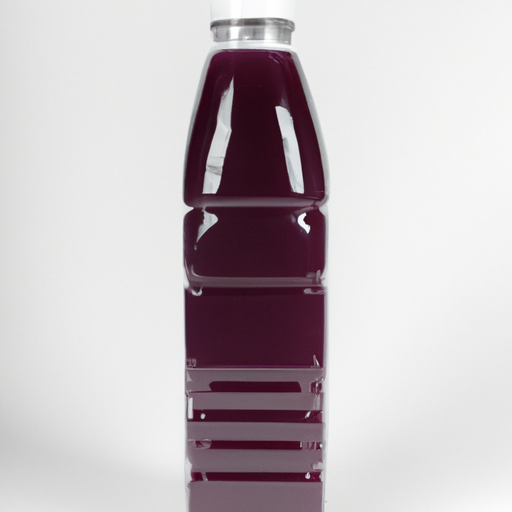
Last reviewed: January 2026
Reviewed by the Can I Eat Expired Editorial Team using official USDA, FDA, and CDC food safety guidance. How we assess food safety risk
May be safe if properly stored and showing no spoilage signs. Check carefully before consuming.
⏱️ Safe for up to 2 days after expiry if properly stored and showing no spoilage signs.
Fridge
34-40°F (1-4°C)
Keep tightly sealed in original container. Store in main refrigerator compartment, not door. Use clean utensils when serving.
After opening, beverages can lose carbonation or absorb odors. Transferring to an airtight bottle or container (Amazon) can help preserve freshness and flavor.
7 days
Fermented smell, visible mold, fizzing, off taste, separation that won't remix, cloudy appearance
Use in cooking sauces, make ice cubes for punch, blend into smoothies
Other fruit juices, apple juice, white grape juice
The expiration date on grape juice indicates the date until which it is guaranteed to be at its best quality. After this date, the flavor, color, and nutritional value may start to deteriorate. However, it does not necessarily mean that the grape juice is unsafe to consume. To ensure the best quality and taste, it is recommended to consume grape juice before the expiration date. If stored properly, grape juice can still be safe to consume even after the expiration date, but the quality may not be optimal.
If refrigerated opened grape juice looks cloudy, has a strange odor, or develops a slimy or moldy texture, it is likely spoiled and should be discarded. Trust your senses - a fresh grape juice should be clear, smell sweet, and have a smooth consistency.
Grape juice, when opened and refrigerated, can pose a risk of contamination with harmful bacteria if not stored properly. It is important to ensure that the grape juice is tightly sealed in a clean container to prevent any external contaminants from entering. Additionally, always use clean utensils when pouring grape juice to avoid introducing bacteria from outside sources.
To extend the shelf life and maintain the quality of opened grape juice, it is important to store it in the refrigerator at a consistent temperature below 40°F (4°C). Always make sure the cap or lid is tightly sealed to prevent exposure to air, which can cause oxidation and flavor changes. If you have leftover grape juice that you won't consume immediately, consider transferring it to a smaller container to minimize air exposure. Shake the container gently before serving to mix any settled solids back into the juice.
Grape juice has a long history and cultural significance in various civilizations. It is often associated with celebrations, religious rituals, and health benefits. For example, in some cultures, grape juice is used in religious ceremonies as a symbol of purity and vitality. Additionally, grape juice is known for its antioxidant properties and potential health benefits, such as improving heart health and reducing inflammation.
Once opened, Grape Juice Refrigerated Opened should be consumed within 7 days for optimal quality and safety. It's recommended to drink it within this timeframe to avoid any potential risks of contamination or spoilage.
If Grape Juice Refrigerated Opened has been left at room temperature for a few hours, it's generally safe to consume within 2 days after the initial refrigeration. However, always check for any changes in smell, taste, or appearance before consuming to ensure it hasn't spoiled.
The type of container can impact the shelf life of Grape Juice Refrigerated Opened. Opt for airtight containers or bottles specifically designed for storing beverages to maintain freshness and prevent contamination. Improper containers may lead to a shorter shelf life due to exposure to air and potential contamination.
Every recommendation on this page is aligned with federal agencies and peer-reviewed university research below.
Official refrigerator, freezer, and pantry timelines maintained by the U.S. Department of Agriculture.
Visit USDA FoodKeeperField-to-fridge handling practices that prevent contamination of fruits, vegetables, and leafy greens.
Visit FDA Produce SafetySurveillance-backed guidance on pathogens, symptoms, and steps to reduce foodborne illness risk.
Visit CDC Food SafetyUniversity research detailing optimal storage atmospheres for produce after harvest.
Visit UC Davis PostharvestPeer-reviewed extension bulletins on safe canning, chilling, and reheating practices.
Visit Penn State ExtensionImportant: These are general guidelines based on authoritative sources listed above. Always use your best judgment and when in doubt, throw it out.
Disclosure: As an Amazon Associate, we earn from qualifying purchases. This helps support our site and allows us to continue providing free food safety information.