USDAOfficial guidance
USDA FoodKeeper – Cold Storage Guidelines
Official refrigerator, freezer, and pantry timelines maintained by the U.S. Department of Agriculture.
Visit USDA FoodKeeperStorage conditions, initial freshness, and proper handling change the answer — and those details are easy to miss.
Get a yes / no answer for your granola bars →
Last reviewed: January 2026
Reviewed by the Can I Eat Expired Editorial Team using official USDA, FDA, and CDC food safety guidance. How we assess food safety risk
This food is often safe when handled and stored properly, but safety depends on how it's been kept and whether any spoilage signs are present.
⏱️ Safe for up to 180 days after expiry if properly stored and showing no spoilage signs.
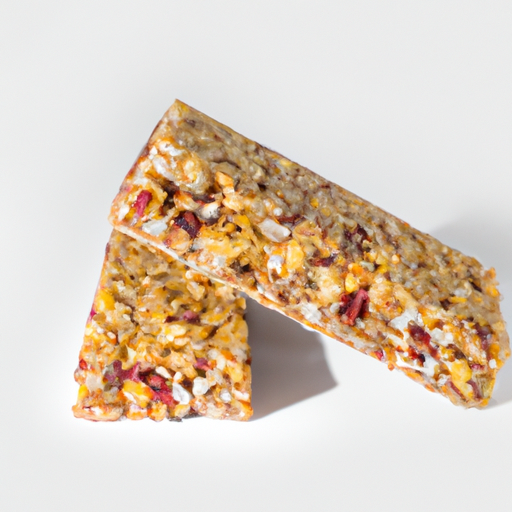
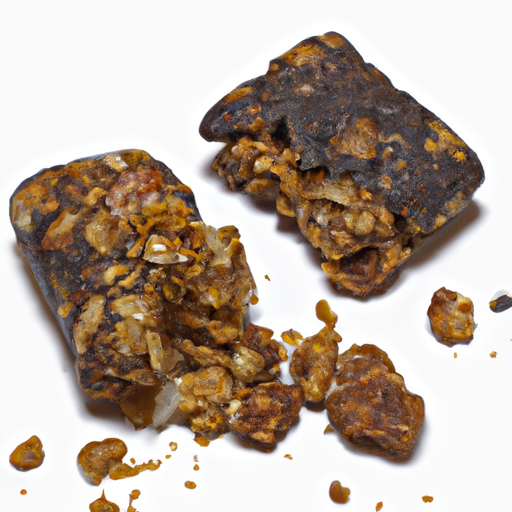
Pantry
Room temperature
Keep in sealed package
365 days
Stale taste, mold, dryness
Crumble into yogurt or oatmeal
Protein bars, cereal bars
The expiration date on granola bars primarily signifies the point at which the manufacturer can no longer guarantee the quality and freshness of the product. Beyond this date, the taste, texture, and nutritional value may degrade. However, granola bars can still be safe to consume for some time after the expiration date if stored properly. Best quality refers to the peak taste, texture, and nutritional value of the granola bars, typically within a few months of the production date. It's best to consume granola bars within this time frame for the optimal experience.
To check if granola bars have gone bad, look for any signs of mold, discoloration, or an off smell. If the bars appear discolored, have a strange odor, or feel unusually soft or hard, it's best to discard them to avoid any risk of foodborne illness.
Granola bars, being a combination of grains, nuts, seeds, and often dried fruits, can be susceptible to microbial contamination if not stored properly. Mold growth is a common risk if moisture levels are high, so it's important to keep granola bars in a dry environment. Additionally, if the bars contain dairy or chocolate components, there is a risk of bacterial growth if left at room temperature for an extended period.
To extend the shelf life of granola bars and maintain their quality, store them in an airtight container or resealable bag to prevent moisture exposure. Keeping granola bars in a cool, dry place, away from direct sunlight and heat sources, will help preserve their freshness. If you live in a humid climate, consider placing a desiccant packet in the storage container to absorb excess moisture. For long-term storage, you can freeze granola bars to keep them fresh for several months. Allow them to thaw at room temperature before consuming for the best texture.
Granola bars have a fascinating history, originating in the United States in the late 19th century as a health food. They were initially created as a dense, energy-boosting snack for hikers and outdoors enthusiasts. Over time, granola bars have evolved into a popular snack choice for people of all ages due to their convenience and perceived health benefits. In some cultures, granola bars are seen as a symbol of a healthy and active lifestyle.
Granola Bars are typically safe to consume if stored at room temperature for a week. However, their quality may have diminished. Check for any changes in texture, taste, or appearance. If the bars show signs of spoilage like a rancid smell or mold, it's best to discard them to reduce the risk of foodborne illness.
The packaging of Granola Bars plays a crucial role in determining their shelf life. Airtight packaging helps maintain freshness and prevents moisture from seeping in, thus extending the bars' shelf life. Opt for resealable bags or containers to keep Granola Bars fresh for a longer duration.
It's advisable to store Granola Bars away from fresh fruit in the pantry. Fruits release ethylene gas, which can accelerate the ripening process and potentially affect the quality of the bars. To prevent cross-contamination and maintain the bars' freshness, store them in a separate area from ethylene-producing fruits.
Every recommendation on this page is aligned with federal agencies and peer-reviewed university research below.
Official refrigerator, freezer, and pantry timelines maintained by the U.S. Department of Agriculture.
Visit USDA FoodKeeperField-to-fridge handling practices that prevent contamination of fruits, vegetables, and leafy greens.
Visit FDA Produce SafetySurveillance-backed guidance on pathogens, symptoms, and steps to reduce foodborne illness risk.
Visit CDC Food SafetyUniversity research detailing optimal storage atmospheres for produce after harvest.
Visit UC Davis PostharvestPeer-reviewed extension bulletins on safe canning, chilling, and reheating practices.
Visit Penn State ExtensionNeed deeper reading? Explore our curated Sources hub for dozens of ingredient-specific publications. Our food safety review methodology explains how safety determinations are made.
Cooking Ingredients
View expiration date and storage guide →
Baking Supplies
View expiration date and storage guide →
Grains & Pasta
View expiration date and storage guide →
Instant Foods
View expiration date and storage guide →
Condiments & Spices
View expiration date and storage guide →
Grains & Pasta
View expiration date and storage guide →
Fruits & Vegetables
View expiration date and storage guide →
Condiments & Spices
View expiration date and storage guide →
Sauces and Marinades
View expiration date and storage guide →
Important: These are general guidelines based on authoritative sources listed above. Always use your best judgment and when in doubt, throw it out. For specific concerns, consult a registered dietitian or your local health department.