USDAOfficial guidance
USDA FoodKeeper – Cold Storage Guidelines
Official refrigerator, freezer, and pantry timelines maintained by the U.S. Department of Agriculture.
Visit USDA FoodKeeperStorage conditions, initial freshness, and proper handling change the answer — and those details are easy to miss.
Last reviewed: January 2026
Reviewed by the Can I Eat Expired Editorial Team using official USDA, FDA, and CDC food safety guidance. How we assess food safety risk
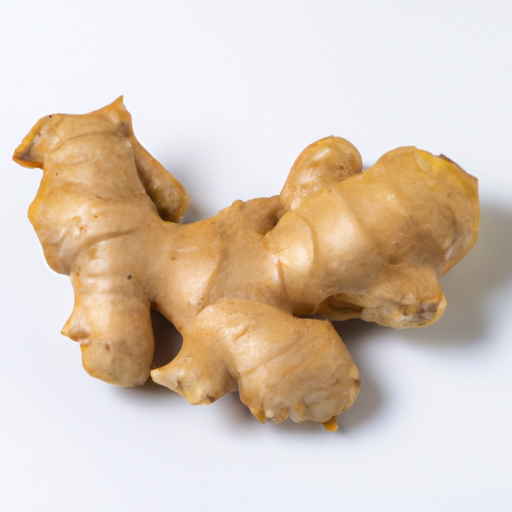
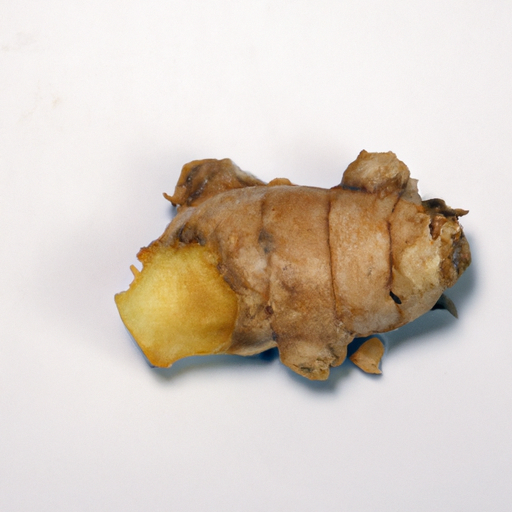
May be safe if properly stored and showing no spoilage signs. Check carefully before consuming.
⏱️ Safe for up to 3 days after expiry if properly stored and showing no spoilage signs.
Get a yes / no answer for your ginger shot →
Fridge
0-4°C / 32-40°F (fridge)
Store in a sealed container in the refrigerator. For longer storage, pour into ice cube trays and freeze. Transfer frozen cubes to a freezer bag for convenience.
After opening, beverages can lose carbonation or absorb odors. Transferring to an airtight bottle or container (Amazon) can help preserve freshness and flavor.
14 days
30 days
Ginger shots may develop an off smell, change in color, or separation of ingredients. If mold appears or the liquid becomes cloudy, discard it.
Ginger shots can be added to smoothies, salad dressings, or marinades for an extra kick of flavor and health benefits.
If ginger shots are unavailable, consider using ginger juice or freshly grated ginger as substitutes in recipes.
The dates are manufacturer guidance and not absolute safety indicators to consume but may not provide the same flavor or potency.
To determine if a ginger shot has gone bad, first check for any changes in color; it should be a vibrant orange or yellow, so any darkening or mold is a red flag. Smell the shot; if it has an overpoweringly sour or off odor instead of a fresh, spicy scent, it's likely spoiled. Lastly, examine the texture; if it has separated significantly or has an unusual slimy consistency, it's best to discard it.
Improper storage can lead to bacterial growth, especially if left at room temperature for extended periods. Always refrigerate after opening and consume within the recommended timeframe.
To maximize freshness, keep ginger shots away from light and heat. Shake well before use to mix any settled ingredients.
Ginger has been used for centuries in traditional medicine and cooking, valued for its anti-inflammatory properties and ability to aid digestion.
If Ginger Shot has been left at room temperature for 4 hours, it's generally safe to consume if it shows no signs of spoilage. However, the quality may have deteriorated. Check for unusual odors, texture changes, or visible mold. When in doubt, it's safer to discard it to avoid foodborne illness.
Once opened, Ginger Shot can be consumed safely for up to 14 days if stored properly in the fridge. However, it's best to consume it within the first week for optimal flavor and potency. Always check for any signs of spoilage before drinking.
If Ginger Shot has been left at room temperature for more than 2 hours, it's advisable to discard it. Bacteria can grow rapidly at temperatures between 40°F and 140°F, potentially making it unsafe to consume even if it appears fine.
Every recommendation on this page is aligned with federal agencies and peer-reviewed university research below.
Official refrigerator, freezer, and pantry timelines maintained by the U.S. Department of Agriculture.
Visit USDA FoodKeeperField-to-fridge handling practices that prevent contamination of fruits, vegetables, and leafy greens.
Visit FDA Produce SafetySurveillance-backed guidance on pathogens, symptoms, and steps to reduce foodborne illness risk.
Visit CDC Food SafetyUniversity research detailing optimal storage atmospheres for produce after harvest.
Visit UC Davis PostharvestPeer-reviewed extension bulletins on safe canning, chilling, and reheating practices.
Visit Penn State ExtensionImportant: These are general guidelines based on authoritative sources listed above. Always use your best judgment and when in doubt, throw it out.
Disclosure: As an Amazon Associate, we earn from qualifying purchases. This helps support our site and allows us to continue providing free food safety information.