USDAOfficial guidance
USDA FoodKeeper – Cold Storage Guidelines
Official refrigerator, freezer, and pantry timelines maintained by the U.S. Department of Agriculture.
Visit USDA FoodKeeperStorage conditions, initial freshness, and proper handling change the answer — and those details are easy to miss.
Last reviewed: January 2026
Reviewed by the Can I Eat Expired Editorial Team using official USDA, FDA, and CDC food safety guidance. How we assess food safety risk
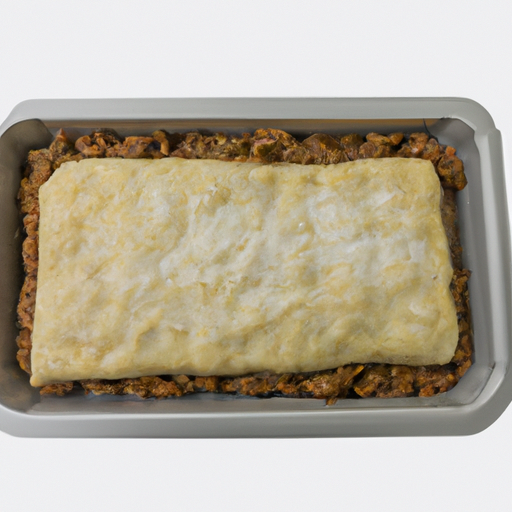
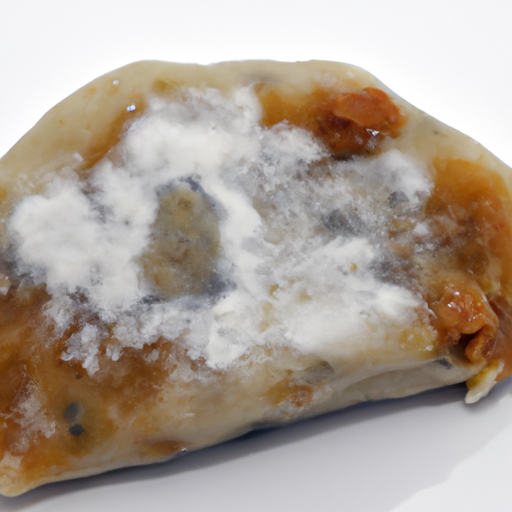
This food is often safe when handled and stored properly, but safety depends on how it's been kept and whether any spoilage signs are present.
⏱️ Safe for up to 180 days after expiry if properly stored and showing no spoilage signs.
Get a yes / no answer for your shepherd s pie →
Freezer
-18°C (0°F)
Store in original container
Freezer temperature consistency matters for food quality and safety. A freezer thermometer (Amazon) helps ensure your freezer maintains proper freezing conditions (0°F or below).
365 days
Freezer burn, mushy potatoes after thawing
Proper freezer storage helps maintain food quality. Using freezer-safe containers (Amazon) can help prevent freezer burn and protect against contamination.
Use in casseroles or reheated meals
Fresh shepherd’s pie
The expiration date on frozen Shepherd's Pie indicates the date until which the product is may be safe if properly stored to consume. Consuming the pie after the expiration date can pose health risks. On the other hand, the 'best quality by' date refers to the period during which the pie will be at its peak quality in terms of taste and texture. While consuming the pie after this date may not necessarily be harmful, the quality may deteriorate.
To determine if Frozen Shepherd's Pie has gone bad, check for any signs of freezer burn, such as ice crystals or discoloration on the surface. Additionally, a sour or off smell may indicate spoilage. Lastly, if the texture appears mushy or slimy, it is best to discard the Shepherd's Pie to avoid potential foodborne illness.
Frozen Shepherd's Pie can pose foodborne illness risks if not handled and cooked properly. It is important to ensure the pie is heated thoroughly to an internal temperature of at least 165°F (74°C) to kill any harmful bacteria that may be present. Improper thawing or prolonged storage at incorrect temperatures can also increase the risk of foodborne illnesses.
To store frozen Shepherd's Pie effectively, it is recommended to keep it in the coldest part of the freezer at 0°F (-18°C) or below. Proper packaging is crucial to prevent freezer burn, which can affect the taste and texture of the pie. If storing homemade Shepherd's Pie, consider dividing it into individual portions before freezing for easier reheating. Labeling the storage container with the date of preparation can help track its freshness.
Shepherd's Pie is a traditional British dish that dates back to the late 1700s. Originally made with minced lamb or mutton topped with mashed potatoes, it has evolved over time to include various meat and vegetable combinations. In the UK, Shepherd's Pie is often associated with comfort food and family gatherings. It is also popular in many other countries, with each region adding its own twist to the classic recipe.
It is not recommended to consume Frozen Shepherd's Pie if it has been at room temperature for more than 2 hours. Bacteria can multiply rapidly at room temperature, increasing the risk of foodborne illness.
Once opened, Frozen Shepherd's Pie should be consumed within 3-4 days if stored in the refrigerator at or below 40°F (4°C). Always check for any signs of spoilage before consuming.
The type of container can impact the shelf life of Frozen Shepherd's Pie. Airtight, freezer-safe containers help maintain quality and prevent freezer burn, extending the shelf life compared to containers that allow air exposure.
Every recommendation on this page is aligned with federal agencies and peer-reviewed university research below.
Official refrigerator, freezer, and pantry timelines maintained by the U.S. Department of Agriculture.
Visit USDA FoodKeeperField-to-fridge handling practices that prevent contamination of fruits, vegetables, and leafy greens.
Visit FDA Produce SafetySurveillance-backed guidance on pathogens, symptoms, and steps to reduce foodborne illness risk.
Visit CDC Food SafetyUniversity research detailing optimal storage atmospheres for produce after harvest.
Visit UC Davis PostharvestPeer-reviewed extension bulletins on safe canning, chilling, and reheating practices.
Visit Penn State ExtensionImportant: These are general guidelines based on authoritative sources listed above. Always use your best judgment and when in doubt, throw it out.
Disclosure: As an Amazon Associate, we earn from qualifying purchases. This helps support our site and allows us to continue providing free food safety information.