USDAOfficial guidance
USDA FoodKeeper – Cold Storage Guidelines
Official refrigerator, freezer, and pantry timelines maintained by the U.S. Department of Agriculture.
Visit USDA FoodKeeperStorage conditions, whether it is properly cooked, and exposure to contamination change the answer — and those details are easy to miss.
Get a yes / no answer for your chicken un →
Check Your Exact Situation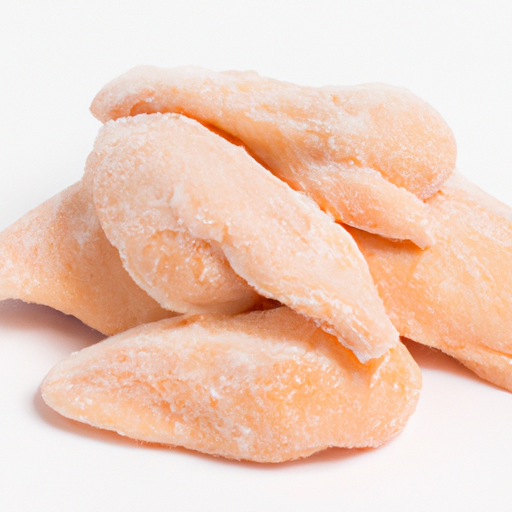
Last reviewed: January 2026
Reviewed by the Can I Eat Expired Editorial Team using official USDA, FDA, and CDC food safety guidance. How we assess food safety risk
May be safe if properly stored and showing no spoilage signs. Check carefully before consuming.
⚠️ Undercooked or spoiled meat and poultry are leading causes of serious foodborne illness.
Freezer
-18°C (0°F)
Keep in original packaging and store flat to optimize space
Proper cooking temperatures are critical for food safety. An instant-read food thermometer (Amazon) helps ensure meat reaches safe internal temperatures and reduces the risk of foodborne illness.
365 days
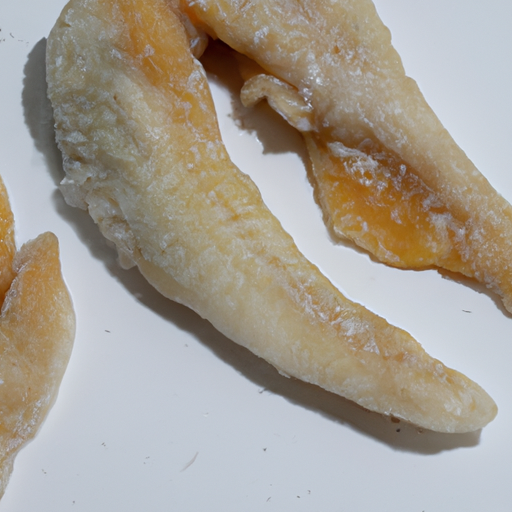
Ice crystals forming on the chicken, change in color or odor
Vacuum sealing before freezing can help reduce freezer burn and extend storage time. A vacuum sealer (Amazon) helps maintain food quality during longer freezer storage.
Can be used in soups, stews, or casseroles
Frozen chicken degrades over time due to freezer burn, which affects texture and taste. While frozen chicken can be safe to eat indefinitely if stored properly, the quality may deteriorate over time leading to changes in flavor and texture. It is important to differentiate between safety (food being free from harmful bacteria) and quality (food tasting and looking its best).
To check if unopened frozen chicken has gone bad, look for any discoloration or ice crystals on the surface. Sniff for any off or sour odors emanating from the packaging. If the chicken feels slimy or sticky to the touch, it may no longer be safe to eat.
Frozen chicken poses risks of contamination by bacteria such as Salmonella and Campylobacter. To reduce the risk of foodborne illness, always thaw chicken properly in the refrigerator, cook it to the recommended internal temperature of 165°F (73.9°C), and avoid cross-contamination with other foods. High-risk scenarios include leaving frozen chicken at room temperature for extended periods and refreezing thawed chicken.
For optimal storage, freeze unopened chicken in its original packaging or airtight freezer bags to prevent freezer burn. Label packages with date of purchase to track freshness. To thaw frozen chicken safely, place it in the refrigerator overnight or use the defrost setting on the microwave. Avoid thawing chicken at room temperature to prevent bacterial growth.
Chicken has been a staple in various cuisines around the world for centuries. In many cultures, chicken dishes are associated with celebrations and family gatherings. Chickens were domesticated over 8,000 years ago and have since become one of the most widely consumed meats globally. Fun fact: The average American consumes about 92 pounds of chicken per year.
Once Frozen Chicken Unopened is opened, it should be consumed within 1-2 days if stored properly in the refrigerator. Ensure it is tightly sealed to maintain freshness and prevent bacterial contamination.
Frozen Chicken Unopened should not be consumed if left at room temperature for more than 2 hours. Bacteria can multiply rapidly in the temperature danger zone (40°F - 140°F), increasing the risk of foodborne illnesses.
The type of container can impact Frozen Chicken Unopened shelf life. It's best to store it in airtight, leak-proof packaging to prevent freezer burn and maintain quality. Avoid using containers that are not designed for freezer storage.
Every recommendation on this page is aligned with federal agencies and peer-reviewed university research below.
Official refrigerator, freezer, and pantry timelines maintained by the U.S. Department of Agriculture.
Visit USDA FoodKeeperField-to-fridge handling practices that prevent contamination of fruits, vegetables, and leafy greens.
Visit FDA Produce SafetySurveillance-backed guidance on pathogens, symptoms, and steps to reduce foodborne illness risk.
Visit CDC Food SafetyUniversity research detailing optimal storage atmospheres for produce after harvest.
Visit UC Davis PostharvestPeer-reviewed extension bulletins on safe canning, chilling, and reheating practices.
Visit Penn State ExtensionImportant: These are general guidelines based on authoritative sources listed above. Always use your best judgment and when in doubt, throw it out.
Disclosure: As an Amazon Associate, we earn from qualifying purchases. This helps support our site and allows us to continue providing free food safety information.