USDAOfficial guidance
USDA FoodKeeper – Cold Storage Guidelines
Official refrigerator, freezer, and pantry timelines maintained by the U.S. Department of Agriculture.
Visit USDA FoodKeeperLast reviewed: January 2026
Reviewed by the Can I Eat Expired Editorial Team using official USDA, FDA, and CDC food safety guidance. How we assess food safety risk
This food is often safe when handled and stored properly, but safety depends on how it's been kept and whether any spoilage signs are present.
⏱️ Safe for up to 7 days after expiry if properly stored and showing no spoilage signs.
Storage conditions, initial freshness, and potential contamination change the answer — and those details are easy to miss.
Get a yes / no answer for your grapefruit →
Check Your Exact Situation
Fridge
40-50°F (4-10°C)
Store in crisper drawer. Can be kept at room temperature until ripe. Once ripe refrigerate to extend life. Keep away from ethylene-sensitive produce.
Proper airflow and humidity control can extend produce freshness. Using produce storage containers (Amazon) in the refrigerator helps regulate moisture and slow spoilage.
21 days
180 days
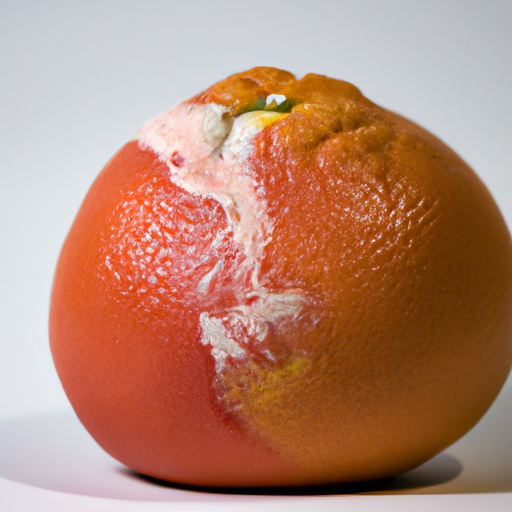
Soft spots, mold growth, unusual discoloration, excessive softening, strong fermented odor, leaking juice
Zest the peel before eating, use in marinades, preserve the rind, make cleaning solutions from peels
Oranges, pomelos, other citrus fruits
The expiration date on fresh grapefruits indicates the point at which the fruit may start to spoil and become unsafe to consume. However, the best quality of the grapefruit is usually before the expiration date. As the fruit ages, it may lose its juiciness, flavor, and texture, even though it may still be safe to eat. For the best experience, it is recommended to consume fresh grapefruits before the expiration date.
To check if a fresh grapefruit is bad, look for any mold, discoloration, or soft spots on the skin. A bad grapefruit may also give off a strong, unpleasant odor and feel mushy or slimy when squeezed. If you notice any of these signs, it's best to discard the grapefruit to avoid consuming spoiled fruit.
When handling fresh grapefruits, it is important to wash them thoroughly under running water before peeling or cutting to remove any potential contaminants on the surface. Bacteria such as Salmonella and E. coli can be present on the skin and transfer to the fruit when cutting. It is recommended to use clean utensils and cutting boards to prevent cross-contamination. People with grapefruit allergies should avoid consuming them to prevent allergic reactions.
To maximize the shelf life of fresh grapefruits, store them in the refrigerator crisper drawer, away from other fruits and vegetables. Whole grapefruits can last for about 2-3 weeks when refrigerated. If you have cut grapefruit, store it in an airtight container in the refrigerator and consume it within a few days for the best quality. To enhance the flavor of grapefruit, you can sprinkle a little salt or sugar on top before eating.
Grapefruits are a hybrid fruit, believed to be a cross between a pomelo and an orange. They are known for their tangy-sweet flavor and are rich in vitamin C and antioxidants. In some cultures, grapefruits are commonly consumed for breakfast or as a refreshing snack. In the United States, Florida is a major producer of grapefruits, particularly the Ruby Red variety, which is prized for its vibrant color and sweet taste.
Fresh Grapefruit Whole should ideally be stored in the fridge to maintain its quality and safety. If left at room temperature for an extended period, it's best to discard it to prevent any risk of spoilage or foodborne illness.
When Fresh Grapefruit Whole is frozen, the texture may change upon thawing. It can become slightly mushy or lose some of its firmness. Consider using frozen grapefruit in smoothies or dishes where texture is less critical for the best culinary experience.
While the quality and freshness of Fresh Grapefruit Whole may vary slightly between brands, the general shelf life remains around 21 days when stored correctly in the fridge. Always check the expiration dates and storage recommendations provided by the specific brand for optimal freshness.
Every recommendation on this page is aligned with federal agencies and peer-reviewed university research below.
Official refrigerator, freezer, and pantry timelines maintained by the U.S. Department of Agriculture.
Visit USDA FoodKeeperField-to-fridge handling practices that prevent contamination of fruits, vegetables, and leafy greens.
Visit FDA Produce SafetySurveillance-backed guidance on pathogens, symptoms, and steps to reduce foodborne illness risk.
Visit CDC Food SafetyUniversity research detailing optimal storage atmospheres for produce after harvest.
Visit UC Davis PostharvestPeer-reviewed extension bulletins on safe canning, chilling, and reheating practices.
Visit Penn State ExtensionImportant: These are general guidelines based on authoritative sources listed above. Always use your best judgment and when in doubt, throw it out.
Disclosure: As an Amazon Associate, we earn from qualifying purchases. This helps support our site and allows us to continue providing free food safety information.