USDAOfficial guidance
USDA FoodKeeper – Cold Storage Guidelines
Official refrigerator, freezer, and pantry timelines maintained by the U.S. Department of Agriculture.
Visit USDA FoodKeeperLast reviewed: January 2026
Reviewed by the Can I Eat Expired Editorial Team using official USDA, FDA, and CDC food safety guidance. How we assess food safety risk
Storage temperature, how long they have been opened, and package integrity change the answer — and those details are easy to miss.
Get a yes / no answer for your egg yolks →
Check Your Exact SituationDiscard it after the expiration date.
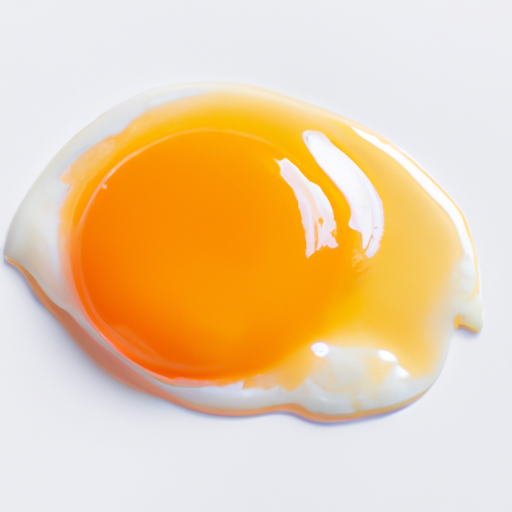
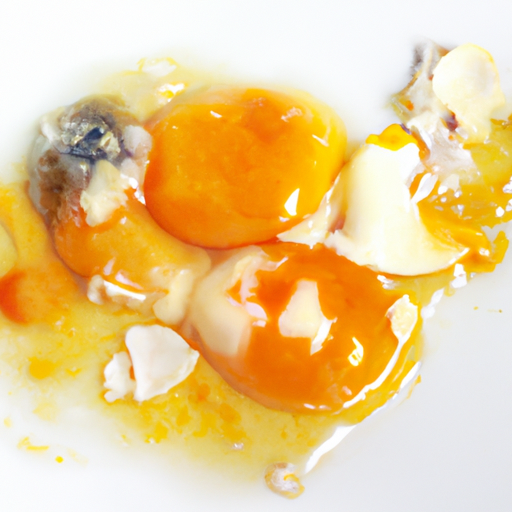
Fridge
32°F (0°C)
Store in an airtight container to prevent drying out
Dairy products require consistent cold storage (40°F or below) to prevent spoilage. A refrigerator thermometer (Amazon) helps ensure your refrigerator maintains safe temperatures.
4 days
90 days
Unpleasant odor, change in color or texture, sliminess
Transferring opened dairy into an airtight container (Amazon) can reduce odor absorption and moisture exposure.
Use in custards, sauces, or as a glaze for baked goods
Powdered egg yolks
Egg Yolks cooked can be stored for up to 4 days in the refrigerator before quality starts to degrade. While they may still be safe to eat after this time, the texture and flavor may be compromised. Differentiate between expiration (when the food is no longer safe to eat) and best quality (optimal taste and texture).
To tell if cooked egg yolks have gone bad, look for any discoloration or a slimy texture. Bad egg yolks may also have a sour or sulfurous smell. If the yolks appear off in color, texture, or smell, it's best to discard them to avoid foodborne illness.
Egg Yolks are susceptible to Salmonella contamination, a common foodborne pathogen found in raw eggs. To reduce the risk, always use pasteurized eggs or cook the yolks to a safe temperature of 160°F (71°C). Avoid consuming raw yolks, especially for vulnerable populations like pregnant women, young children, and the elderly.
To maintain the freshness of cooked Egg Yolks, store them in an airtight container in the refrigerator. Adding a small amount of lemon juice can help preserve their color and prevent oxidation. For longer storage, consider freezing the yolks in ice cube trays for easy portioning.
Egg Yolks have been used in various culinary traditions worldwide for centuries. In many cultures, the yolk symbolizes fertility, wealth, or new beginnings. In ancient Rome, egg yolks were used in luxurious dishes as a sign of status and wealth.
Egg Yolks Cooked stored in a plastic container may have a slightly shorter shelf life compared to a glass container. Plastic containers are more permeable to air, which can lead to quicker spoilage. It's recommended to use airtight glass containers for longer freshness.
Yes, freezing Egg Yolks Cooked in ice cube trays is a convenient way to portion them for later use. Once frozen, transfer the cubes to a freezer-safe bag for storage. Thaw only the needed amount to avoid repeated freezing and thawing, which can affect texture.
Cooking Egg Yolks can extend their shelf life compared to raw yolks. Properly cooked yolks eliminate harmful bacteria, increasing their safety for consumption. However, cooked yolks may dry out faster, so store them in airtight containers in the fridge for best quality.
Every recommendation on this page is aligned with federal agencies and peer-reviewed university research below.
Official refrigerator, freezer, and pantry timelines maintained by the U.S. Department of Agriculture.
Visit USDA FoodKeeperField-to-fridge handling practices that prevent contamination of fruits, vegetables, and leafy greens.
Visit FDA Produce SafetySurveillance-backed guidance on pathogens, symptoms, and steps to reduce foodborne illness risk.
Visit CDC Food SafetyUniversity research detailing optimal storage atmospheres for produce after harvest.
Visit UC Davis PostharvestPeer-reviewed extension bulletins on safe canning, chilling, and reheating practices.
Visit Penn State ExtensionStorage: Fridge
View guide →
Storage: Fridge
View guide →
Storage: Fridge
View guide →
Storage: Fridge
View guide →
Storage: Fridge
View guide →
Storage: Fridge
View guide →
Storage: Fridge
View guide →
Storage: Fridge
View guide →
Storage: Fridge
View guide →
Important: These are general guidelines based on authoritative sources listed above. Always use your best judgment and when in doubt, throw it out.
Disclosure: As an Amazon Associate, we earn from qualifying purchases. This helps support our site and allows us to continue providing free food safety information.