USDAOfficial guidance
USDA FoodKeeper – Cold Storage Guidelines
Official refrigerator, freezer, and pantry timelines maintained by the U.S. Department of Agriculture.
Visit USDA FoodKeeperLast reviewed: January 2026
Reviewed by the Can I Eat Expired Editorial Team using official USDA, FDA, and CDC food safety guidance. How we assess food safety risk
Storage temperature, how long it has been opened, and package integrity change the answer — and those details are easy to miss.
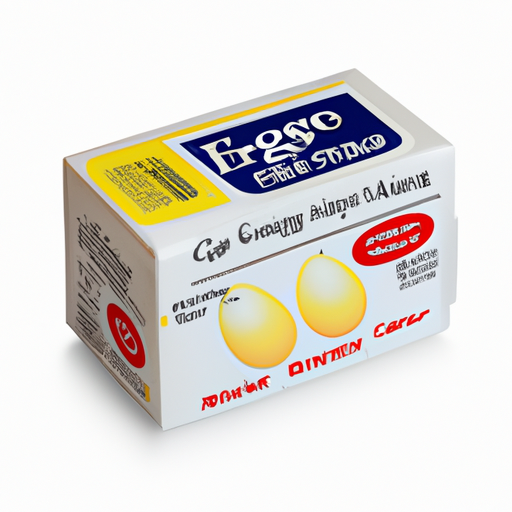
Get a yes / no answer for your egg substitute liquid sold un package →
Check Your Exact SituationThis food is often safe when handled and stored properly, but safety depends on how it's been kept and whether any spoilage signs are present.
⏱️ Safe for up to 7 days after expiry if properly stored and showing no spoilage signs.

Fridge
36-40°F (2-4°C)
Keep in original sealed packaging
Dairy products require consistent cold storage (40°F or below) to prevent spoilage. A refrigerator thermometer (Amazon) helps ensure your refrigerator maintains safe temperatures.
30 days
Unpleasant odor, change in color, presence of mold
Transferring opened dairy into an airtight container (Amazon) can reduce odor absorption and moisture exposure.
Use in baking, cooking omelettes, making vegan scrambled eggs
May use mashed bananas, applesauce, tofu
Over time, Egg Substitute Liquid quality deteriorates due to oxidation and potential bacterial growth, affecting taste and texture. While the expiration date indicates safety concerns, the best quality is usually within the recommended shelf life. Consuming after the expiration date may lead to decreased flavor and efficacy.
To check if refrigerated, unopened egg substitute liquid has spoiled, look for any changes in color, such as discoloration or a cloudy appearance. Additionally, give it a sniff for any sour or off odors. Lastly, if the texture seems slimy or lumpy instead of smooth, it may be best to discard it.
Egg Substitute Liquid Sold Refrigerated Unopened Package may carry risks of salmonella contamination, especially if not stored properly. To reduce the risk of foodborne illness, ensure refrigeration at or below 40°F (4°C) and never consume if the product has expired. High-risk scenarios include leaving the package at room temperature for extended periods or using cracked/opened containers.
For optimal storage, keep Egg Substitute Liquid refrigerated and tightly sealed to prevent contamination and maintain quality. Shake well before use and avoid exposing the product to direct sunlight or heat sources. To extend shelf life, consider transferring any unused portion to an airtight container for better preservation.
Egg substitutes have gained popularity due to dietary preferences and allergies. In some cultures, eggs hold symbolic meanings of fertility and new beginnings. Historical records show that ancient Romans used various egg substitutes in their cuisine, paving the way for modern innovations and culinary diversity.
If Egg Substitute Liquid Sold Refrigerated Unopened Package has been at room temperature for 2 hours, it's still safe to consume as long as it shows no signs of spoilage. However, to maintain optimal quality and minimize any potential risks, refrigerate it promptly.
Once opened, Egg Substitute Liquid Sold Refrigerated Unopened Package should be used within 7 days for the best quality and safety. Check for any changes in smell, color, or texture before using it in recipes.
The container in which Egg Substitute Liquid Sold Refrigerated Unopened Package is stored plays a crucial role in maintaining its quality. To preserve its shelf life, keep it in its original airtight packaging in the refrigerator. Avoid transferring it to containers that may not offer the same level of protection against moisture and air.
Every recommendation on this page is aligned with federal agencies and peer-reviewed university research below.
Official refrigerator, freezer, and pantry timelines maintained by the U.S. Department of Agriculture.
Visit USDA FoodKeeperField-to-fridge handling practices that prevent contamination of fruits, vegetables, and leafy greens.
Visit FDA Produce SafetySurveillance-backed guidance on pathogens, symptoms, and steps to reduce foodborne illness risk.
Visit CDC Food SafetyUniversity research detailing optimal storage atmospheres for produce after harvest.
Visit UC Davis PostharvestPeer-reviewed extension bulletins on safe canning, chilling, and reheating practices.
Visit Penn State ExtensionStorage: Fridge
View guide →
Storage: Fridge
View guide →
Storage: Fridge
View guide →
Storage: Fridge
View guide →
Storage: Fridge
View guide →
Storage: Fridge
View guide →
Storage: Fridge
View guide →
Storage: Fridge
View guide →
Storage: Fridge
View guide →
Important: These are general guidelines based on authoritative sources listed above. Always use your best judgment and when in doubt, throw it out.
Disclosure: As an Amazon Associate, we earn from qualifying purchases. This helps support our site and allows us to continue providing free food safety information.