USDAOfficial guidance
USDA FoodKeeper – Cold Storage Guidelines
Official refrigerator, freezer, and pantry timelines maintained by the U.S. Department of Agriculture.
Visit USDA FoodKeeperStorage conditions, initial freshness, and potential contamination change the answer — and those details are easy to miss.
Last reviewed: January 2026
Reviewed by the Can I Eat Expired Editorial Team using official USDA, FDA, and CDC food safety guidance. How we assess food safety risk
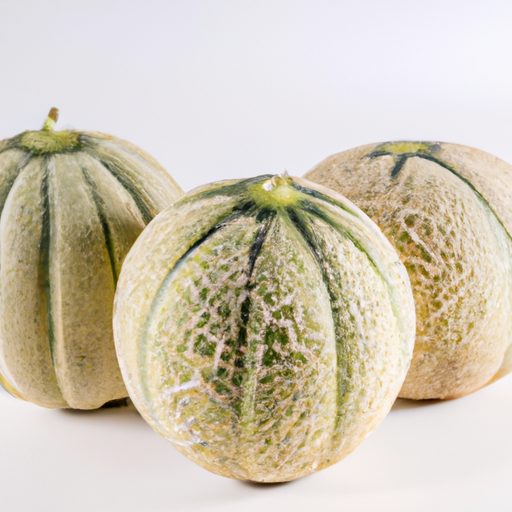
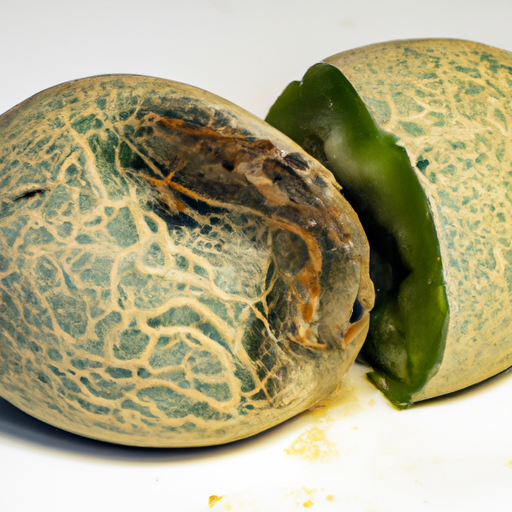
This food is often safe when handled and stored properly, but safety depends on how it's been kept and whether any spoilage signs are present.
⏱️ Safe for up to 2 days after expiry if properly stored and showing no spoilage signs.
Get a yes / no answer for your crenshaw melons →
Pantry
50°F (10°C) to 60°F (15°C)
Store on the counter or in a cool place until ripe. Once ripe, refrigerate.
Proper airflow and humidity control can extend produce freshness. Using produce storage containers (Amazon) in the refrigerator helps regulate moisture and slow spoilage.
7 days
Soft spots, mold, strong fermentation smell, wrinkles on skin.
Add to fruit salads, blend into smoothies, use in salsas or sorbets.
Other melons like cantaloupe or honeydew.
The expiration date on Crenshaw melons indicates the point after which the melon may not be safe to consume due to potential spoilage or bacterial growth. However, the best quality of the melon is usually before the expiration date when it is at its peak ripeness, flavor, and juiciness. While consuming the melon after the expiration date may not necessarily make you sick, the quality may have deteriorated significantly.
To tell if a Crenshaw melon has gone bad, look for mold, discoloration, or a foul odor on the surface. The melon should have a fragrant, sweet smell and feel firm to the touch. If it appears mushy or has a strong, unpleasant smell, it is no longer fresh and should be discarded.
When handling Crenshaw melons, it is essential to wash the outer rind thoroughly before cutting into them to prevent any potential bacteria on the surface from contaminating the flesh. Cross-contamination is a risk, so use separate cutting boards and utensils for the melon and other ingredients. Additionally, ensure the melons are not stored near raw meats or other high-risk foods in the refrigerator to prevent any potential contamination.
To store Crenshaw melons, keep them at room temperature until they ripen. Once ripe, store them in the refrigerator to maintain their freshness and flavor. If the melon is already cut, wrap it tightly in plastic wrap or store it in an airtight container in the refrigerator for up to 3-4 days. To extend the shelf life, you can also freeze diced Crenshaw melon for use in smoothies or fruit salads.
Crenshaw melons are a hybrid melon, a cross between a Persian melon and a Casaba melon. They are known for their sweet flavor, vibrant orange flesh, and floral aroma. The melon was named after Crenshaw Boulevard in Los Angeles, where it was first cultivated. In terms of cultural significance, Crenshaw melons are often enjoyed in the summer months as a refreshing and hydrating fruit, popular in salads, smoothies, and desserts.
It's not recommended to consume Crenshaw Melons Fresh Raw Whole that have been stored at room temperature for 2 days beyond the shelf life. The quality may have significantly deteriorated, increasing the risk of foodborne illness. It's best to discard them to ensure food safety.
The type of container can impact the shelf life of Crenshaw Melons Fresh Raw Whole. Airtight containers can help extend freshness by minimizing exposure to air and moisture. Avoid storing them in metal containers as they can affect the taste and quality of the melons.
When transporting Crenshaw Melons Fresh Raw Whole for 6 hours, ensure they are kept in a cool environment to prevent spoilage. Use a cooler with ice packs to maintain a safe temperature. Avoid exposure to direct sunlight or high temperatures to preserve their quality during travel.
Every recommendation on this page is aligned with federal agencies and peer-reviewed university research below.
Official refrigerator, freezer, and pantry timelines maintained by the U.S. Department of Agriculture.
Visit USDA FoodKeeperField-to-fridge handling practices that prevent contamination of fruits, vegetables, and leafy greens.
Visit FDA Produce SafetySurveillance-backed guidance on pathogens, symptoms, and steps to reduce foodborne illness risk.
Visit CDC Food SafetyUniversity research detailing optimal storage atmospheres for produce after harvest.
Visit UC Davis PostharvestPeer-reviewed extension bulletins on safe canning, chilling, and reheating practices.
Visit Penn State ExtensionImportant: These are general guidelines based on authoritative sources listed above. Always use your best judgment and when in doubt, throw it out.
Disclosure: As an Amazon Associate, we earn from qualifying purchases. This helps support our site and allows us to continue providing free food safety information.