USDAOfficial guidance
USDA FoodKeeper – Cold Storage Guidelines
Official refrigerator, freezer, and pantry timelines maintained by the U.S. Department of Agriculture.
Visit USDA FoodKeeperLast reviewed: January 2026
Reviewed by the Can I Eat Expired Editorial Team using official USDA, FDA, and CDC food safety guidance. How we assess food safety risk
May be safe if properly stored and showing no spoilage signs. Check carefully before consuming.
⏱️ Safe for up to 5 days after expiry if properly stored and showing no spoilage signs.
Storage conditions, initial freshness, and proper handling change the answer — and those details are easy to miss.
Get a yes / no answer for your corn tortilla →
Check Your Exact Situation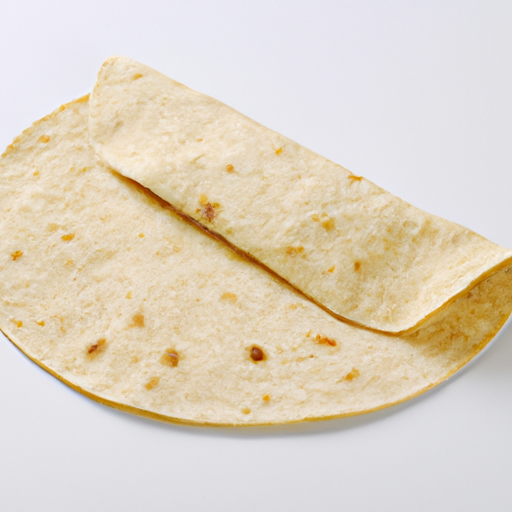
Pantry
Room temperature
Store in an airtight bag
Baking ingredients like flour and sugar stay fresher when protected from moisture and pests. airtight storage containers (Amazon) help prevent clumping, spoilage, and pest contamination.
14 days
60 days
Mold, dryness, off smell
Use in nachos or tacos
Flour tortilla, pita
The expiration date on corn tortilla packages indicates the date until which the product is guaranteed to be at its peak quality in terms of taste and texture. Consuming corn tortillas after the expiration date may not pose an immediate health risk but the quality may deteriorate, resulting in a stale or off-flavor. It is best to consume corn tortillas before the expiration date to enjoy them at their best quality.
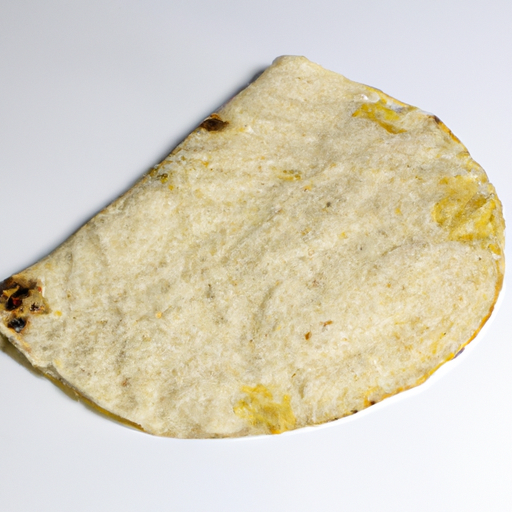
To determine if corn tortillas have gone bad, look for signs of mold, discoloration, or an off smell. Fresh corn tortillas should have a vibrant color, no visible mold, and a pleasant corn aroma. Check for any signs of dryness or a stale texture, which can indicate spoilage.
Corn tortillas are generally safe to consume, but there are some food safety risks to be aware of. It is important to ensure that corn tortillas are stored properly to prevent mold growth and bacterial contamination. Improper storage or prolonged exposure to moisture can lead to the growth of harmful bacteria like Salmonella or mold. Always check for signs of spoilage such as an off smell, discoloration, or mold before consuming corn tortillas.
To prolong the shelf life of corn tortillas, it is recommended to store them in an airtight container or resealable plastic bag in the refrigerator. This helps prevent moisture loss and keeps the tortillas fresh for a longer period. If you have leftover corn tortillas, you can also freeze them for future use. Wrap them tightly in plastic wrap or aluminum foil before placing them in a freezer-safe bag. When ready to use, thaw the frozen tortillas in the refrigerator or microwave them for a quick option.
Corn tortillas have a rich cultural significance in Mexican cuisine and are a staple food in many Latin American countries. They have been consumed for centuries and are an integral part of traditional dishes like tacos, enchiladas, and quesadillas. Corn tortillas are often made using masa harina, a type of corn flour, which is mixed with water and then cooked on a griddle. In Mexico, corn tortillas are not just a food item but also symbolize heritage, tradition, and community.
If Corn Tortilla has been at room temperature for a few hours, it's generally safe to consume if it appears and smells normal. However, prolonged exposure to room temperature can lead to faster spoilage. To be safe, refrigerate it if you're unsure or discard if there are any signs of spoilage like mold or off smells.
When Corn Tortilla is frozen, its texture may become slightly softer or more brittle upon thawing. To minimize texture changes, consider wrapping the tortillas tightly in plastic wrap before freezing. Thaw them in the refrigerator for best results. If texture is a priority, using frozen tortillas for dishes like casseroles or enchiladas where texture changes are less noticeable can be a good option.
The shelf life of Corn Tortillas can vary slightly between brands due to differences in ingredients and preservatives used. Always check the expiration date on the package and follow storage instructions provided by the specific brand. Additionally, artisanal or organic brands may have shorter shelf lives compared to commercially produced tortillas with added preservatives.
Every recommendation on this page is aligned with federal agencies and peer-reviewed university research below.
Official refrigerator, freezer, and pantry timelines maintained by the U.S. Department of Agriculture.
Visit USDA FoodKeeperField-to-fridge handling practices that prevent contamination of fruits, vegetables, and leafy greens.
Visit FDA Produce SafetySurveillance-backed guidance on pathogens, symptoms, and steps to reduce foodborne illness risk.
Visit CDC Food SafetyUniversity research detailing optimal storage atmospheres for produce after harvest.
Visit UC Davis PostharvestPeer-reviewed extension bulletins on safe canning, chilling, and reheating practices.
Visit Penn State ExtensionImportant: These are general guidelines based on authoritative sources listed above. Always use your best judgment and when in doubt, throw it out.
Disclosure: As an Amazon Associate, we earn from qualifying purchases. This helps support our site and allows us to continue providing free food safety information.