USDAOfficial guidance
USDA FoodKeeper – Cold Storage Guidelines
Official refrigerator, freezer, and pantry timelines maintained by the U.S. Department of Agriculture.
Visit USDA FoodKeeperLast reviewed: January 2026
Reviewed by the Can I Eat Expired Editorial Team using official USDA, FDA, and CDC food safety guidance. How we assess food safety risk
Storage conditions, initial freshness, and proper handling change the answer — and those details are easy to miss.
Get a yes / no answer for your cookies →
Check Your Exact SituationMay be safe if properly stored and showing no spoilage signs. Check carefully before consuming.
Pantry
60-70°F (15-21°C)
Store in an airtight container to maintain freshness.
7 days
Mold growth, off smell or taste, texture changes
Crumbled over ice cream, used as a topping for desserts
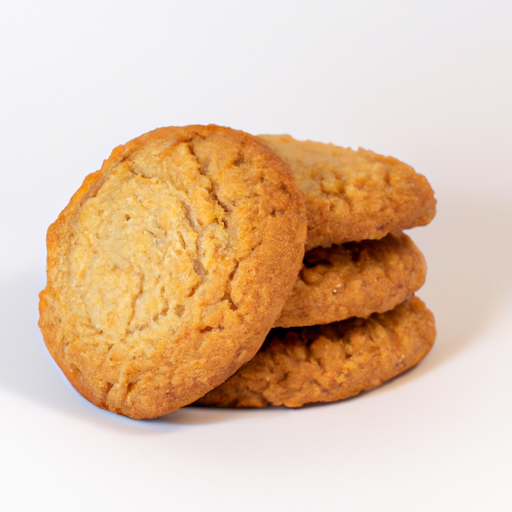
Cookies past their expiration date may not necessarily make you sick but can lose their texture, flavor, and crispness over time. While safety concerns are minimal for a short period after the expiration date, the quality of the cookies will degrade significantly. It's essential to differentiate between safety (risk of illness) and quality (taste and texture) when assessing cookie freshness.
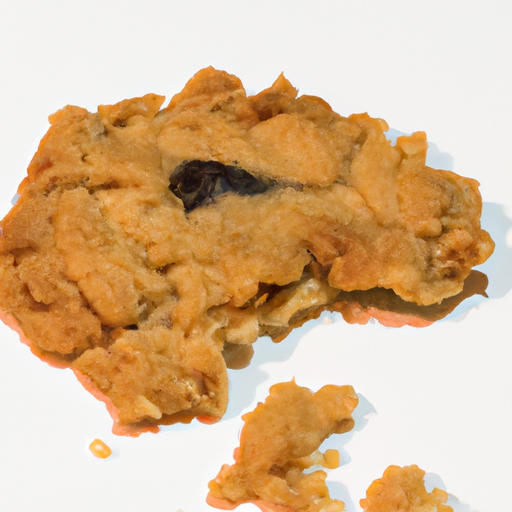
To determine if opened cookies have gone bad, look for any signs of mold, discoloration, or an off smell. Additionally, if the texture has become overly soft, sticky, or noticeably changed, it is best to discard them to avoid consuming spoiled food.
Consuming expired or improperly stored cookies can lead to foodborne illnesses caused by pathogens such as Salmonella and E. coli. To prevent contamination, always store cookies in airtight containers, avoid cross-contamination with raw ingredients, and refrigerate if needed. High-risk scenarios include leaving cookies at room temperature for an extended period or consuming cookies with dairy-based fillings that can spoil quickly.
For optimal cookie storage, keep them in a cool, dry place away from direct sunlight and moisture. To maintain freshness, consider adding a slice of bread to the cookie container to prevent them from becoming stale. To revive slightly stale cookies, place them in a sealed container with a slice of apple or bread overnight to regain moisture. Avoid storing different types of cookies together as they can transfer flavors and textures.
Cookies have a rich history dating back to Persia in the 7th century AD. They gained popularity in Europe during the Middle Ages and have since become beloved treats worldwide. Various cultures have unique cookie recipes and traditions, such as gingerbread cookies in Germany and fortune cookies in the United States. Cookies are often associated with holidays and celebrations, making them a significant part of many cultural festivities.
Cookies Opened left out at room temperature for 24 hours may not be safe to consume due to potential bacterial growth. It's best to discard them to avoid the risk of food poisoning.
Cookies Opened stored in an airtight container can typically be consumed within 5-7 days after opening, as long as they show no signs of spoilage. Proper sealing helps maintain freshness and extends shelf life.
Cookies Opened exposed to temperature variations, like being left in a hot car or near a heat source, may lead to faster spoilage. If they have been subjected to extreme temperatures, it's safer to discard them to prevent foodborne illnesses.
Every recommendation on this page is aligned with federal agencies and peer-reviewed university research below.
Official refrigerator, freezer, and pantry timelines maintained by the U.S. Department of Agriculture.
Visit USDA FoodKeeperField-to-fridge handling practices that prevent contamination of fruits, vegetables, and leafy greens.
Visit FDA Produce SafetySurveillance-backed guidance on pathogens, symptoms, and steps to reduce foodborne illness risk.
Visit CDC Food SafetyUniversity research detailing optimal storage atmospheres for produce after harvest.
Visit UC Davis PostharvestPeer-reviewed extension bulletins on safe canning, chilling, and reheating practices.
Visit Penn State ExtensionStorage: Fridge
View guide →
Storage: Pantry
View guide →
Storage: Pantry
View guide →
Storage: Fridge
View guide →
Storage: Pantry
View guide →
Storage: Pantry
View guide →
Storage: Pantry
View guide →
Storage: Pantry
View guide →
Storage: Pantry
View guide →
Important: These are general guidelines based on authoritative sources listed above. Always use your best judgment and when in doubt, throw it out.