USDAOfficial guidance
USDA FoodKeeper – Cold Storage Guidelines
Official refrigerator, freezer, and pantry timelines maintained by the U.S. Department of Agriculture.
Visit USDA FoodKeeperLast reviewed: January 2026
Reviewed by the Can I Eat Expired Editorial Team using official USDA, FDA, and CDC food safety guidance. How we assess food safety risk
Discard them after the expiration date.
Storage conditions, initial freshness, and proper handling change the answer — and those details are easy to miss.
Get a yes / no answer for your tortellini leftovers →
Check Your Exact Situation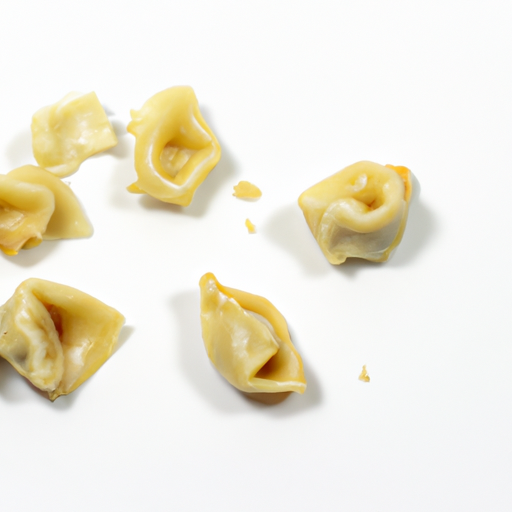
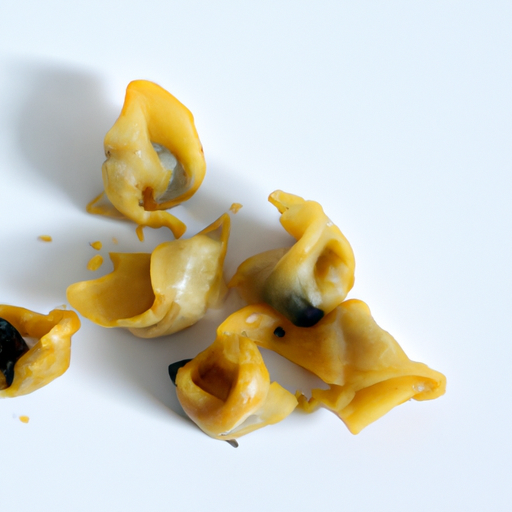
Fridge
34-40°F (1-4°C)
Store in airtight container. Toss with small amount of oil to prevent sticking. Refrigerate within 2 hours of cooking.
Dry foods stay fresher when protected from moisture, pests, and air exposure. airtight pantry containers (Amazon) help maintain quality and extend shelf life for pantry staples.
5 days
60 days
Mold growth, slimy texture, off odor, discoloration, unusual smell
Excess humidity can cause dry foods to clump or spoil. Adding food-safe desiccant packs (Amazon) to storage containers helps control moisture levels and extend shelf life.
Add to soups, casseroles
Other stuffed pasta, ravioli
The expiration date on cooked tortellini leftovers is a guideline for food safety. After this date, the risk of bacterial contamination increases. Best quality refers to the point at which the tortellini may not taste as good or the texture may deteriorate, but it is still safe to consume if stored properly. Use your senses of sight and smell to determine if the tortellini is still safe to eat beyond the expiration date.
To determine if cooked tortellini leftovers have gone bad, look for any signs of mold growth, a sour or off smell, or a slimy texture. If you notice any of these indicators, it's best to discard the leftovers to avoid potential foodborne illness.
Cooked tortellini leftovers can pose a risk of foodborne illness if not stored and handled properly. Bacteria like Staphylococcus aureus, Salmonella, and Listeria monocytogenes can grow in cooked pasta dishes if left at room temperature for too long or stored incorrectly. It is important to refrigerate leftover tortellini promptly and ensure it is reheated to an internal temperature of at least 165°F (74°C) before consuming.
To store cooked tortellini leftovers properly, allow them to cool to room temperature before refrigerating them in an airtight container. It is best to consume the leftovers within 3-4 days to ensure freshness and reduce the risk of foodborne illness. If you plan to freeze the tortellini, place them in a freezer-safe container or bag, and they can last for up to 2-3 months. When reheating, add a splash of water or broth to help retain moisture and prevent the pasta from drying out.
Tortellini is a traditional Italian stuffed pasta that is typically filled with a mixture of meats, cheeses, or vegetables. In Italian culture, tortellini is often served in a broth or with a creamy sauce. It is a popular dish during holidays and special occasions in Italy, symbolizing good luck and prosperity. The shape of tortellini is said to be inspired by the belly button of Venus, the goddess of love.
If Cooked Tortellini Leftovers have been left at room temperature for 2 hours, it's generally safe to eat, but the quality may have declined. To minimize the risk of foodborne illness, refrigerate them promptly. If in doubt about safety, it's best to discard them.
Once opened, Cooked Tortellini Leftovers can be safely consumed within 3-4 days if stored in the refrigerator at or below 40°F (4°C). Ensure they are tightly sealed or stored in an airtight container to maintain freshness and prevent contamination.
The type of container can impact the shelf life of Cooked Tortellini Leftovers. Opt for airtight containers to maintain freshness and prevent contamination. Glass or BPA-free plastic containers are recommended for storing leftovers as they help retain moisture and prevent odors from seeping in.
Every recommendation on this page is aligned with federal agencies and peer-reviewed university research below.
Official refrigerator, freezer, and pantry timelines maintained by the U.S. Department of Agriculture.
Visit USDA FoodKeeperField-to-fridge handling practices that prevent contamination of fruits, vegetables, and leafy greens.
Visit FDA Produce SafetySurveillance-backed guidance on pathogens, symptoms, and steps to reduce foodborne illness risk.
Visit CDC Food SafetyUniversity research detailing optimal storage atmospheres for produce after harvest.
Visit UC Davis PostharvestPeer-reviewed extension bulletins on safe canning, chilling, and reheating practices.
Visit Penn State ExtensionImportant: These are general guidelines based on authoritative sources listed above. Always use your best judgment and when in doubt, throw it out.
Disclosure: As an Amazon Associate, we earn from qualifying purchases. This helps support our site and allows us to continue providing free food safety information.