USDAOfficial guidance
USDA FoodKeeper – Cold Storage Guidelines
Official refrigerator, freezer, and pantry timelines maintained by the U.S. Department of Agriculture.
Visit USDA FoodKeeperLast reviewed: January 2026
Reviewed by the Can I Eat Expired Editorial Team using official USDA, FDA, and CDC food safety guidance. How we assess food safety risk
Discard it after the expiration date.
Storage conditions, initial freshness, and proper handling change the answer — and those details are easy to miss.
Get a yes / no answer for your lentils →
Check Your Exact Situation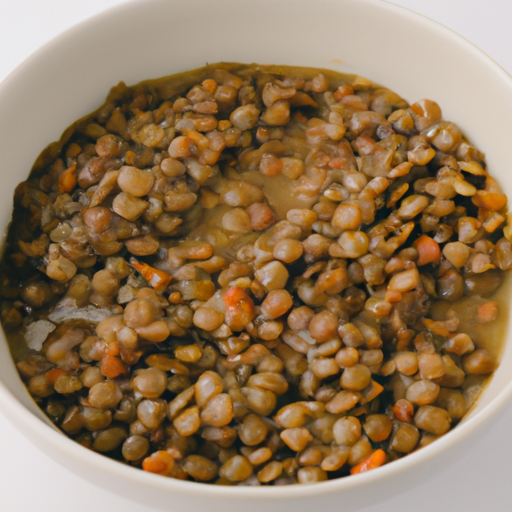
Fridge
34-40°F (1-4°C)
Store in airtight container. Cool completely before storing. Keep away from raw foods.
Dry foods stay fresher when protected from moisture, pests, and air exposure. airtight pantry containers (Amazon) help maintain quality and extend shelf life for pantry staples.
7 days
180 days
Mold growth, off odor, slimy texture, fermentation smell, unusual color
Excess humidity can cause dry foods to clump or spoil. Adding food-safe desiccant packs (Amazon) to storage containers helps control moisture levels and extend shelf life.
Add to soups, salads, grain bowls, veggie burgers
Other cooked legumes, quinoa, rice
Expiration dates indicate the last day a food item is guaranteed to be at its peak quality. For cooked homemade lentils, they can typically be stored in the refrigerator for 3-5 days before their quality starts to decline. While lentils may still be safe to eat after this time, their texture and flavor may deteriorate. It's best to consume cooked lentils within this timeframe for the best quality.
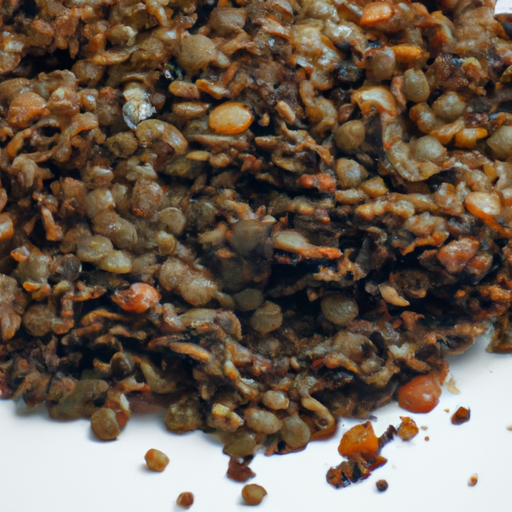
To determine if cooked homemade lentils have gone bad, look for any signs of mold growth, a slimy or off-color appearance, or a foul odor. Discard the lentils if you notice any of these indicators, as they may be spoiled and unsafe to consume. Additionally, if the lentils have an unusual texture, such as being excessively mushy or gritty, it is best to err on the side of caution and refrain from eating them.
Cooked homemade lentils are prone to bacterial contamination if not stored properly. To minimize risks, ensure lentils are cooked thoroughly to kill any harmful bacteria. Store cooked lentils in the refrigerator within 2 hours of cooking to prevent bacterial growth. Reheat cooked lentils to at least 165°F (74°C) before consuming to kill any remaining bacteria.
To store cooked homemade lentils, allow them to cool to room temperature before transferring them to an airtight container. Store in the refrigerator for up to 3-5 days. For longer storage, cooked lentils can be frozen for up to 6 months. To prevent freezer burn, ensure the lentils are well-sealed in a freezer-safe container or bag. When reheating frozen lentils, adding a splash of water or broth can help retain moisture and prevent them from drying out.
Lentils are a staple in many cuisines around the world, including Indian, Middle Eastern, and Mediterranean cuisines. They are a rich source of plant-based protein, fiber, and various nutrients. Lentils have been cultivated for thousands of years and are a symbol of prosperity and good luck in some cultures. In Indian cuisine, lentils are commonly used in dishes like dal, while in the Middle East, lentils are used in soups and stews.
If Cooked Homemade Lentils has been left at room temperature for more than 2 hours, it's best to discard it to reduce the risk of foodborne illness. Bacteria can multiply rapidly at room temperature, increasing the risk of contamination.
Once opened, Cooked Homemade Lentils should be consumed within 3-4 days if stored in the fridge. Ensure it is sealed in an airtight container to maintain freshness and prevent bacterial growth.
The type of container can impact the shelf life of Cooked Homemade Lentils. Opt for airtight containers to extend freshness. Avoid storing in metal containers as they can affect the taste of the lentils.
Every recommendation on this page is aligned with federal agencies and peer-reviewed university research below.
Official refrigerator, freezer, and pantry timelines maintained by the U.S. Department of Agriculture.
Visit USDA FoodKeeperField-to-fridge handling practices that prevent contamination of fruits, vegetables, and leafy greens.
Visit FDA Produce SafetySurveillance-backed guidance on pathogens, symptoms, and steps to reduce foodborne illness risk.
Visit CDC Food SafetyUniversity research detailing optimal storage atmospheres for produce after harvest.
Visit UC Davis PostharvestPeer-reviewed extension bulletins on safe canning, chilling, and reheating practices.
Visit Penn State ExtensionImportant: These are general guidelines based on authoritative sources listed above. Always use your best judgment and when in doubt, throw it out.
Disclosure: As an Amazon Associate, we earn from qualifying purchases. This helps support our site and allows us to continue providing free food safety information.