USDAOfficial guidance
USDA FoodKeeper – Cold Storage Guidelines
Official refrigerator, freezer, and pantry timelines maintained by the U.S. Department of Agriculture.
Visit USDA FoodKeeperStorage conditions, initial freshness, and proper handling change the answer — and those details are easy to miss.
Last reviewed: January 2026
Reviewed by the Can I Eat Expired Editorial Team using official USDA, FDA, and CDC food safety guidance. How we assess food safety risk
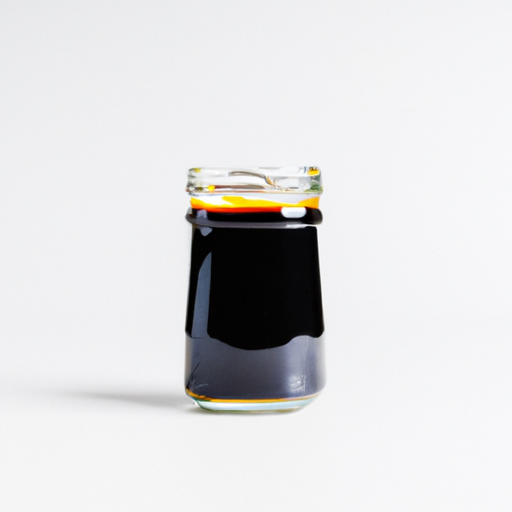
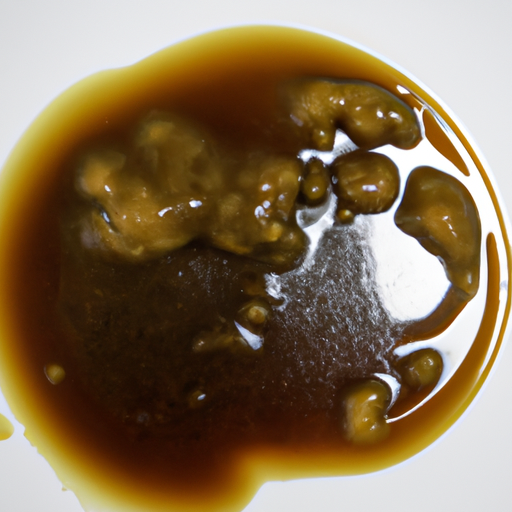
May be safe if properly stored and showing no spoilage signs. Check carefully before consuming.
⏱️ Safe for up to 7 days after expiry if properly stored and showing no spoilage signs.
Get a yes / no answer for your cold brew concentrate →
Fridge
0-4°C / 32-40°F (fridge)
Store cold brew concentrate in an airtight container in the refrigerator. For longer storage, freeze in ice cube trays and transfer to a freezer-safe bag once solid.
After opening, beverages can lose carbonation or absorb odors. Transferring to an airtight bottle or container (Amazon) can help preserve freshness and flavor.
14 days
30 days
Signs of spoilage include off odors, changes in color, and the presence of sediment or separation that does not mix back in after shaking. If the concentrate develops an unusual taste, it should be discarded.
Cold brew concentrate can be used in smoothies, desserts, or as a flavoring in baked goods.
If cold brew concentrate is unavailable, brewed coffee or espresso can be diluted with water to mimic the flavor, though the taste may differ.
The expiration date indicates the last date for optimal quality. Consuming after this date may not pose immediate health risks, but flavor and quality may decline.
To determine if Cold Brew Concentrate has gone bad, check for any changes in color, such as a cloudy appearance or unusual sediment settling at the bottom. Smell it; if you notice a sour or off odor instead of the usual rich coffee scent, it's a sign that it may have spoiled. Additionally, if the texture seems thicker or slimy, it's best to discard it.
While cold brew concentrate is generally safe, improper storage can lead to bacterial growth. Always refrigerate after opening and consume within the recommended time frame to minimize risk.
To keep cold brew fresh longer, store it in a dark container to minimize light exposure, which can degrade flavor. Adding a splash of milk or cream can also help mask any slight changes in taste.
Cold brew coffee originated in Japan in the 1600s and has gained popularity worldwide for its smooth flavor and lower acidity compared to traditional brewing methods.
If Cold Brew Concentrate has been left at room temperature for 4 hours, it's generally safe to consume if it shows no signs of spoilage. However, the quality may have deteriorated. Check for unusual odors, texture changes, or visible mold. When in doubt, it's safer to discard it to avoid foodborne illness.
Once opened, Cold Brew Concentrate can be stored in the fridge for up to 14 days. After that period, it may still be safe to consume for an additional 7 days, but its flavor and quality will likely decline. Always use your senses to assess if it still seems good.
It's best to avoid consuming Cold Brew Concentrate that has been left out at room temperature for more than 2 hours. While it may still be safe, the risk of spoilage increases significantly after this timeframe, and the flavor can be negatively affected.
Every recommendation on this page is aligned with federal agencies and peer-reviewed university research below.
Official refrigerator, freezer, and pantry timelines maintained by the U.S. Department of Agriculture.
Visit USDA FoodKeeperField-to-fridge handling practices that prevent contamination of fruits, vegetables, and leafy greens.
Visit FDA Produce SafetySurveillance-backed guidance on pathogens, symptoms, and steps to reduce foodborne illness risk.
Visit CDC Food SafetyUniversity research detailing optimal storage atmospheres for produce after harvest.
Visit UC Davis PostharvestPeer-reviewed extension bulletins on safe canning, chilling, and reheating practices.
Visit Penn State ExtensionImportant: These are general guidelines based on authoritative sources listed above. Always use your best judgment and when in doubt, throw it out.
Disclosure: As an Amazon Associate, we earn from qualifying purchases. This helps support our site and allows us to continue providing free food safety information.