USDAOfficial guidance
USDA FoodKeeper – Cold Storage Guidelines
Official refrigerator, freezer, and pantry timelines maintained by the U.S. Department of Agriculture.
Visit USDA FoodKeeperLast reviewed: January 2026
Reviewed by the Can I Eat Expired Editorial Team using official USDA, FDA, and CDC food safety guidance. How we assess food safety risk
This food is often safe when handled and stored properly, but safety depends on how it's been kept and whether any spoilage signs are present.
⏱️ Safe for up to 30 days after expiry if properly stored and showing no spoilage signs.
Storage conditions, initial freshness, and proper handling change the answer — and those details are easy to miss.
Get a yes / no answer for your chocolate bar un →
Check Your Exact Situation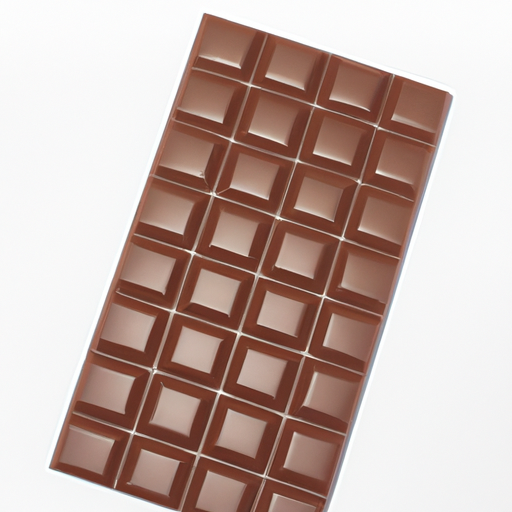
Pantry
65°F (18°C)
Store in a cool, dry place away from direct sunlight
365 days
Bloomed appearance, off smell, changed texture
Baking, melting for dipping or drizzling
Other types of chocolate, cocoa powder
While a chocolate bar does not necessarily expire in the same way as perishable foods, over time its quality can degrade. Factors like exposure to heat, light, and moisture can cause the chocolate to lose its texture, flavor, and appearance. The 'best by' date usually indicates when the chocolate is at its peak quality, but it can still be safe to eat beyond that date if stored properly.
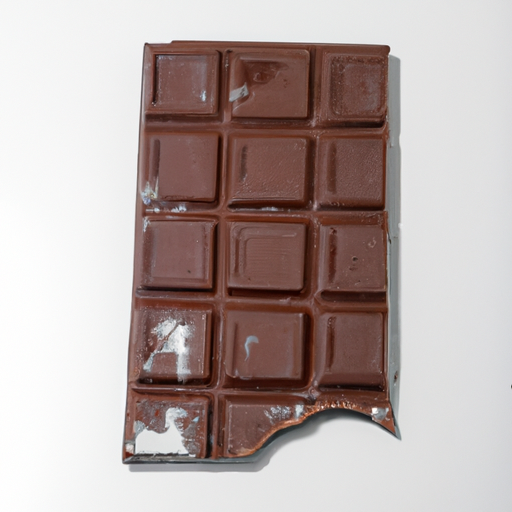
To determine if an unopened chocolate bar has gone bad, check for any signs of discoloration or white spots on the surface, which indicate chocolate bloom. Sniff the chocolate for any rancid or off odors. Lastly, feel the chocolate for any changes in texture, such as being sticky or grainy, which may suggest spoilage.
Consuming an unopened chocolate bar generally poses low foodborne illness risks. However, in rare cases, contamination can occur during production or storage leading to potential issues like mold growth. To prevent such risks, always check for any signs of damage or unusual appearance before consumption.
To maintain the freshness and flavor of an unopened chocolate bar, store it in a cool, dry place away from direct sunlight. Avoid exposing it to temperature fluctuations as it can cause the chocolate to bloom (develop a white coating). For long-term storage, consider wrapping the chocolate in foil or placing it in an airtight container to prevent absorption of other odors.
Chocolate has a rich history dating back to ancient Mesoamerican civilizations where it was considered a prized delicacy. It has since become a popular treat enjoyed worldwide, with each culture adding its own unique twist to chocolate-based recipes. Fun fact: The world's largest chocolate bar weighed over 12,770 pounds!
Once you open an unopened Chocolate Bar, it's best to consume it within 2-4 weeks for optimal taste and quality. After this period, the texture may change, and it could lose its freshness.
If an unopened Chocolate Bar has been stored at room temperature for a few days, it is generally safe to eat within the shelf life of 365 days. However, prolonged exposure to heat may affect its quality and taste.
The type of container can impact the shelf life of an unopened Chocolate Bar. It's best to store it in a cool, dry place away from direct sunlight in its original packaging or an airtight container to maintain freshness and prevent moisture absorption.
Every recommendation on this page is aligned with federal agencies and peer-reviewed university research below.
Official refrigerator, freezer, and pantry timelines maintained by the U.S. Department of Agriculture.
Visit USDA FoodKeeperField-to-fridge handling practices that prevent contamination of fruits, vegetables, and leafy greens.
Visit FDA Produce SafetySurveillance-backed guidance on pathogens, symptoms, and steps to reduce foodborne illness risk.
Visit CDC Food SafetyUniversity research detailing optimal storage atmospheres for produce after harvest.
Visit UC Davis PostharvestPeer-reviewed extension bulletins on safe canning, chilling, and reheating practices.
Visit Penn State ExtensionImportant: These are general guidelines based on authoritative sources listed above. Always use your best judgment and when in doubt, throw it out.