USDAOfficial guidance
USDA FoodKeeper – Cold Storage Guidelines
Official refrigerator, freezer, and pantry timelines maintained by the U.S. Department of Agriculture.
Visit USDA FoodKeeperStorage conditions, initial freshness, and proper handling change the answer — and those details are easy to miss.
Last reviewed: January 2026
Reviewed by the Can I Eat Expired Editorial Team using official USDA, FDA, and CDC food safety guidance. How we assess food safety risk

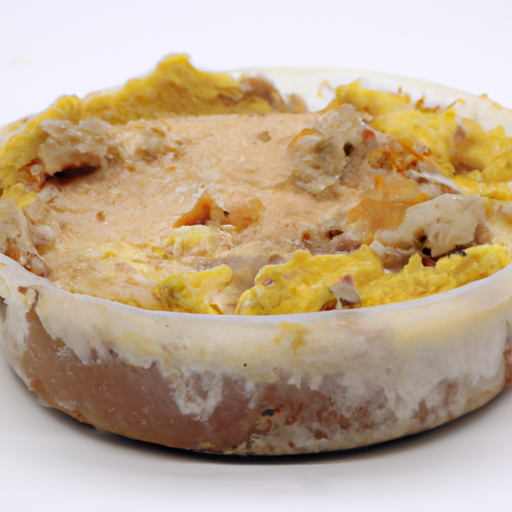
May be safe if properly stored and showing no spoilage signs. Check carefully before consuming.
⏱️ Safe for up to 30 days after expiry if properly stored and showing no spoilage signs.
Get a yes / no answer for your cake mix dry un or →
Pantry
65°F (18°C)
Keep in original sealed packaging
Baking ingredients like flour and sugar stay fresher when protected from moisture and pests. airtight storage containers (Amazon) help prevent clumping, spoilage, and pest contamination.
365 days
Mold growth, off smell, unusual discoloration
Make cupcakes, cake pops
Homemade cake mix
The expiration date on cake mix indicates the last date the product is guaranteed to be at its best quality in terms of taste, texture, and performance. Using cake mix after the expiration date may not necessarily make it unsafe to consume, but the quality may deteriorate, resulting in a less desirable baked product. It is recommended to use the cake mix before the expiration date for optimal results.
To check if dry commercially packaged cake mix is bad, visually inspect for any signs of mold, discoloration, or unusual spots. Sniff the mix for any off-putting odors like a rancid or sour smell. Lastly, feel the texture - if it's clumped together, hardened, or feels damp, it's best to discard it.
When it comes to cake mix, the main food safety concern is the presence of bacteria such as Salmonella in raw ingredients like flour. It is important to avoid consuming raw cake mix to prevent foodborne illnesses. Additionally, if the cake mix has been stored improperly or past its expiration date, there is a risk of spoilage leading to potential food poisoning. Always check for signs of spoilage like off odors, discoloration, or mold before using.
To prolong the shelf life of unopened cake mix, store it in a cool, dry place away from direct sunlight and moisture. Once opened, transfer the remaining mix to an airtight container to prevent it from absorbing odors and moisture from the environment. You can also place a few marshmallows in the container to help keep the mix fresh by absorbing excess moisture. When using the cake mix, always follow the recommended storage instructions on the package for best results.
Cake mixes were first introduced in the early 20th century as a convenient alternative to baking cakes from scratch. They gained popularity during the post-World War II era when convenience foods became more prevalent. In many cultures, baking and sharing cakes are associated with celebrations, such as birthdays, weddings, and holidays. Cake mixes have become a staple in many households for quick and easy baking.
Once opened, Cake Mix Dry Commercially Packaged should be used within 3 months for best quality. After this period, the texture and flavor may degrade, affecting the final baked product.
Cake Mix Dry Commercially Packaged is safe to eat if stored at room temperature before opening. However, after opening, it's recommended to store it in a cool, dry place to maintain quality and prevent spoilage.
Yes, the type of container can impact the shelf life of Cake Mix Dry Commercially Packaged. Opt for airtight containers to prevent moisture exposure and maintain freshness. Avoid storing in containers with lingering odors that could affect the mix.
Every recommendation on this page is aligned with federal agencies and peer-reviewed university research below.
Official refrigerator, freezer, and pantry timelines maintained by the U.S. Department of Agriculture.
Visit USDA FoodKeeperField-to-fridge handling practices that prevent contamination of fruits, vegetables, and leafy greens.
Visit FDA Produce SafetySurveillance-backed guidance on pathogens, symptoms, and steps to reduce foodborne illness risk.
Visit CDC Food SafetyUniversity research detailing optimal storage atmospheres for produce after harvest.
Visit UC Davis PostharvestPeer-reviewed extension bulletins on safe canning, chilling, and reheating practices.
Visit Penn State ExtensionImportant: These are general guidelines based on authoritative sources listed above. Always use your best judgment and when in doubt, throw it out.
Disclosure: As an Amazon Associate, we earn from qualifying purchases. This helps support our site and allows us to continue providing free food safety information.