USDAOfficial guidance
USDA FoodKeeper – Cold Storage Guidelines
Official refrigerator, freezer, and pantry timelines maintained by the U.S. Department of Agriculture.
Visit USDA FoodKeeperStorage conditions, initial freshness, and proper handling change the answer — and those details are easy to miss.
Last reviewed: January 2026
Reviewed by the Can I Eat Expired Editorial Team using official USDA, FDA, and CDC food safety guidance. How we assess food safety risk
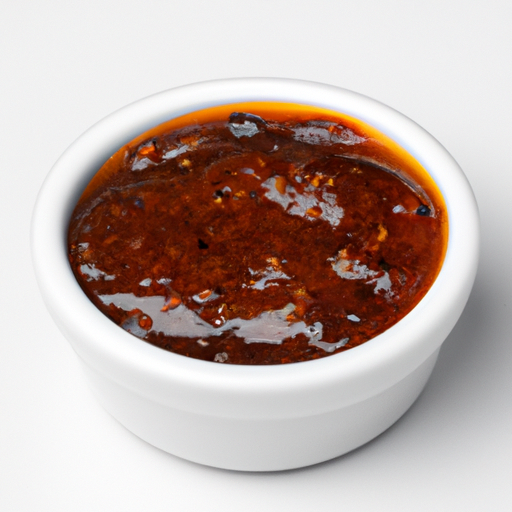
This food is often safe when handled and stored properly, but safety depends on how it's been kept and whether any spoilage signs are present.
⏱️ Safe for up to 30 days after expiry if properly stored and showing no spoilage signs.
Get a yes / no answer for your buffalo sauce →
Fridge
40°F (4°C)
Refrigerate after opening to maintain flavor and quality
Spices lose flavor and potency when exposed to air and moisture. Keeping them sealed in an airtight spice container (Amazon) helps preserve flavor and prevent clumping.
180 days
Mold growth, off smell, separation of ingredients
Marinade for chicken, flavoring for dips, dressing for salads
Hot sauce mixed with butter
Buffalo sauce typically has a long shelf life due to its acidic nature. While it may remain safe for consumption past the expiration date if stored correctly, the quality in terms of flavor and consistency may start to degrade. It's crucial to use your judgment and sensory cues to determine if the sauce is still suitable for consumption.
To determine if Buffalo Sauce has gone bad, check for any changes in color, such as darkening or mold growth. Sniff the sauce for any off or sour odors. Lastly, feel the texture - if it has become slimy or developed an unusual consistency, it's best to discard it.
Buffalo sauce, being a low-acid condiment, can pose risks for bacterial contamination such as Salmonella and E. coli if not stored properly. To reduce the risk of foodborne illness, always refrigerate after opening, avoid cross-contamination with raw foods, and check for signs of spoilage before consumption.
For optimal storage and freshness, always seal the bottle tightly after use to prevent air exposure. To enhance the sauce's shelf life, store it in the refrigerator rather than at room temperature. If you prefer a milder flavor, you can dilute the sauce with a bit of butter or olive oil.
Buffalo sauce originated in Buffalo, New York, and is famously associated with Buffalo chicken wings. The sauce's tangy and spicy flavor has gained popularity worldwide, becoming a staple in various cuisines and recipes. Interestingly, the original Buffalo sauce recipe consisted of a simple mix of hot sauce, butter, and vinegar.
Yes, Buffalo Sauce can be stored in a plastic container in the fridge. Ensure the container is airtight to maintain freshness and prevent any potential leaks.
Once opened, Buffalo Sauce can be safely consumed for up to 30 days if stored in the refrigerator. After this period, it's best to discard it to avoid any risk of spoilage.
Freezing Buffalo Sauce is not recommended as it can alter the texture and consistency of the sauce when thawed. It may separate or become watery, impacting its overall quality.
Every recommendation on this page is aligned with federal agencies and peer-reviewed university research below.
Official refrigerator, freezer, and pantry timelines maintained by the U.S. Department of Agriculture.
Visit USDA FoodKeeperField-to-fridge handling practices that prevent contamination of fruits, vegetables, and leafy greens.
Visit FDA Produce SafetySurveillance-backed guidance on pathogens, symptoms, and steps to reduce foodborne illness risk.
Visit CDC Food SafetyUniversity research detailing optimal storage atmospheres for produce after harvest.
Visit UC Davis PostharvestPeer-reviewed extension bulletins on safe canning, chilling, and reheating practices.
Visit Penn State ExtensionImportant: These are general guidelines based on authoritative sources listed above. Always use your best judgment and when in doubt, throw it out.
Disclosure: As an Amazon Associate, we earn from qualifying purchases. This helps support our site and allows us to continue providing free food safety information.