USDAOfficial guidance
USDA FoodKeeper – Cold Storage Guidelines
Official refrigerator, freezer, and pantry timelines maintained by the U.S. Department of Agriculture.
Visit USDA FoodKeeperLast reviewed: January 2026
Reviewed by the Can I Eat Expired Editorial Team using official USDA, FDA, and CDC food safety guidance. How we assess food safety risk
Storage conditions, initial freshness, and proper handling change the answer — and those details are easy to miss.
Get a yes / no answer for your brownies →
Check Your Exact SituationMay be safe if properly stored and showing no spoilage signs. Check carefully before consuming.
⏱️ Safe for up to 2 days after expiry if properly stored and showing no spoilage signs.
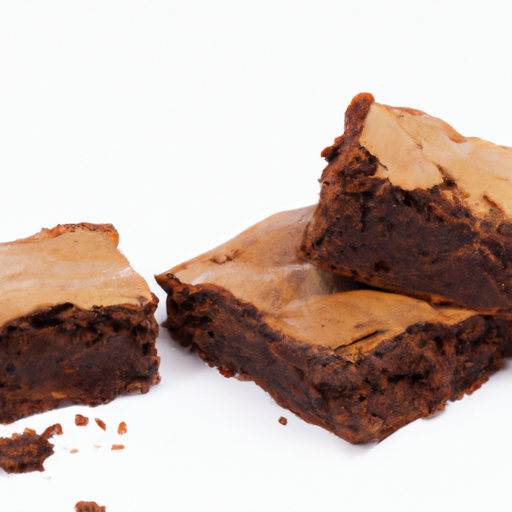
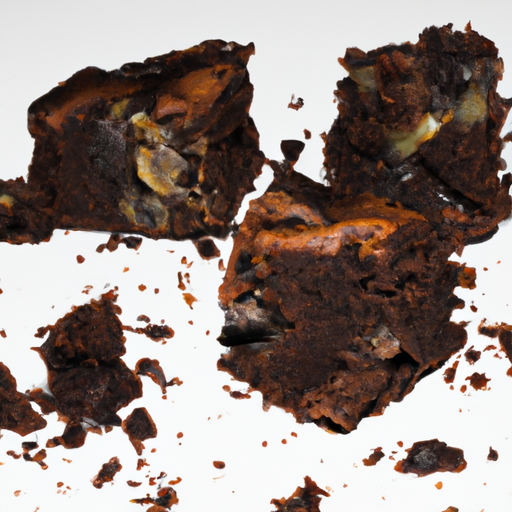
Pantry
Room temperature (70°F or 21°C)
In an airtight container to maintain freshness
5 days
30 days
Mold spots, off smell, hardened texture
Crumbled over ice cream, used as a pie crust base
Chocolate cookies
The expiration date on brownies typically refers to the point at which they may no longer be safe to eat due to potential spoilage or bacterial contamination. However, brownies may still be safe to consume for a few days past the expiration date if stored properly. The best quality of brownies, on the other hand, refers to the peak flavor and texture experience. Brownies may still be edible after the best quality date, but their taste and texture may start to deteriorate.
To determine if brownies have gone bad, look for any mold growth on the surface, an off or sour smell, or a change in texture such as being overly dry or sticky. If you notice any of these signs, it is best to discard the brownies to avoid any potential foodborne illnesses.
When it comes to brownies, the main food safety concern is the growth of harmful bacteria such as Salmonella and E. coli. These bacteria can thrive in brownies if they are not stored properly or if they are left out at room temperature for too long. It is important to ensure that brownies are cooked thoroughly to kill any harmful bacteria present in the raw ingredients. Additionally, brownies that contain perishable ingredients like cream cheese or custard should be refrigerated promptly to prevent bacterial growth.
To maximize the shelf life and maintain the quality of brownies, it is best to store them in an airtight container at room temperature for up to 3-4 days. For longer storage, you can refrigerate brownies for up to a week or freeze them for up to 3 months. To prevent brownies from drying out, you can place a slice of bread in the container with the brownies to help retain moisture. When reheating brownies, do so in the oven or microwave for a short time to avoid overcooking and drying them out.
Brownies are a beloved dessert with a rich cultural history. They are believed to have originated in the United States in the late 19th century and are now enjoyed worldwide. Brownies come in various forms and flavors, with some popular variations including fudgy brownies, cakey brownies, and chewy brownies. In many cultures, brownies are associated with comfort, indulgence, and celebration, making them a staple at gatherings and events.
If Brownies have been left out at room temperature for an extended period, such as overnight, it's best to discard them. Bacteria can multiply rapidly in perishable foods like Brownies, increasing the risk of foodborne illness. To ensure safety, always store Brownies properly in an airtight container in the pantry.
Once the package of Brownies is opened, they can be safely consumed for up to 3-4 days if stored in an airtight container at room temperature. After this time, the quality may decline, but they are generally safe to eat within 5 days post-opening. If you notice any signs of spoilage, like mold or an off odor, discard them immediately.
Brownies are generally safe to consume if they have been at room temperature for a few days, within the 5-day shelf life limit. However, their quality may have deteriorated, affecting taste and texture. Check for any signs of spoilage before consuming. If in doubt, it's best to err on the side of caution and dispose of them.
Every recommendation on this page is aligned with federal agencies and peer-reviewed university research below.
Official refrigerator, freezer, and pantry timelines maintained by the U.S. Department of Agriculture.
Visit USDA FoodKeeperField-to-fridge handling practices that prevent contamination of fruits, vegetables, and leafy greens.
Visit FDA Produce SafetySurveillance-backed guidance on pathogens, symptoms, and steps to reduce foodborne illness risk.
Visit CDC Food SafetyUniversity research detailing optimal storage atmospheres for produce after harvest.
Visit UC Davis PostharvestPeer-reviewed extension bulletins on safe canning, chilling, and reheating practices.
Visit Penn State ExtensionStorage: Fridge
View guide →
Storage: Pantry
View guide →
Storage: Pantry
View guide →
Storage: Fridge
View guide →
Storage: Pantry
View guide →
Storage: Pantry
View guide →
Storage: Pantry
View guide →
Storage: Pantry
View guide →
Storage: Pantry
View guide →
Important: These are general guidelines based on authoritative sources listed above. Always use your best judgment and when in doubt, throw it out.