Can I Eat Expired Brown Basmati Rice?

With its nutty flavor and chewy texture, brown basmati rice not only elevates your meals but also packs a nutritious punch. Storing it properly in a cool, dry pantry can give you up to a year of shelf life, and even a little grace period after that, making it a versatile staple to have on hand.

⚠️

May be safe if properly stored and fresh

Brown Basmati Rice may remain safe to consume after its expiration date if it has been stored correctly and shows no signs of spoilage. Risk increases over time, and safety depends on storage conditions, freshness at purchase, and handling. Always inspect carefully before consuming and discard if you notice any changes in appearance, smell, or texture. When in doubt, discard it.

⚠️

May be safe if properly stored and shows no spoilage signs

Brown Basmati Rice may remain safe to consume after its expiration date if it has been stored correctly at the proper temperature and shows no signs of spoilage. However, risk increases over time, especially if storage conditions were not optimal.

Storage timeline guidance: Some food safety sources suggest that brown basmati rice, when stored properly at the correct temperature and showing no spoilage signs, may remain usable for approximately 180 days after its expiration date.

Important: This is not a guarantee of safety. Food safety depends on many factors including storage temperature, handling, initial freshness, and contamination risk. Always inspect food carefully for spoilage signs (odor, texture, color changes) before consuming. When in doubt, discard it to avoid foodborne illness.

Low Risk❄️ Can be frozen

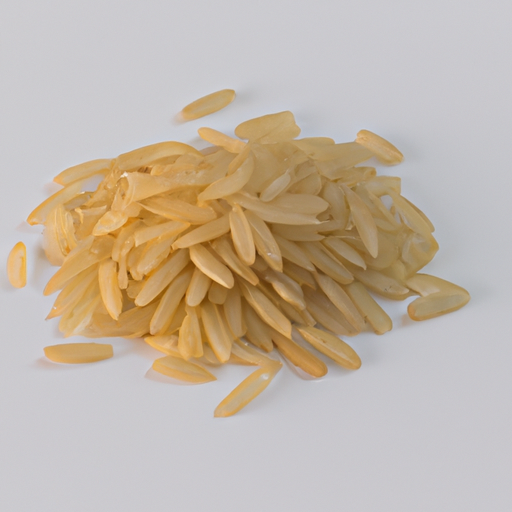
Fresh Brown Basmati Rice

Fresh Brown Basmati Rice

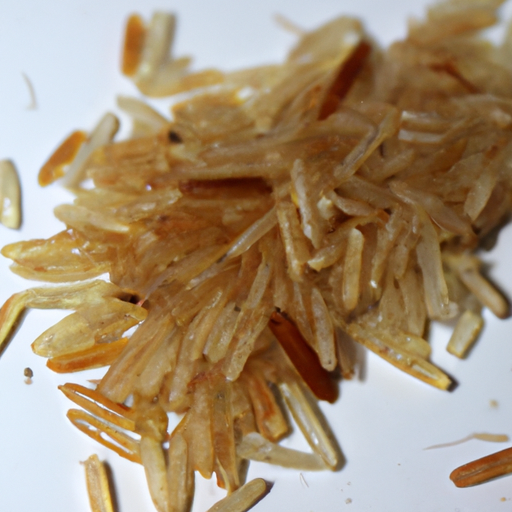
⚠️Spoiled Brown Basmati Rice

Spoiled Brown Basmati Rice
📦

Storage Guidelines

Storage Location

Pantry

Ideal Temperature

10-21°C / 50-70°F (pantry)

Best Storage Method

Store in an airtight container in a cool, dry place away from sunlight. This helps maintain freshness and prevents moisture absorption.

Dry foods last longer when protected from moisture. Using airtight pantry containers (Amazon) helps maintain quality.

Shelf Life

Average Shelf Life

365 days

0
⚠️

Signs of Spoilage

Brown basmati rice can become rancid due to its higher oil content. Signs include an off smell, discoloration, or the presence of insects or mold. If any of these signs are present, discard the rice.

Adding food-safe desiccant packs (Amazon) can help control humidity in dry food storage.

ℹ️

Additional Information

Alternative Uses

Cooked brown basmati rice can be used in salads, stir-fries, or as a base for grain bowls. It can also be blended into smoothies for added fiber.

Possible Substitutions

If brown basmati rice is unavailable, long-grain brown rice or jasmine rice can be used as alternatives, though cooking times may vary.

Frequently Asked Questions

What's the difference between expiration and best quality dates?

The dates are manufacturer guidance and not absolute safety indicators to eat but could lose flavor and texture. Always check for signs of spoilage.

How can I tell if Brown Basmati Rice has gone bad?

To determine if brown basmati rice has gone bad, check for any discoloration, such as dark spots or an off-white hue, which may indicate spoilage. Smell the rice; if it has a rancid or sour odor, it’s best to discard it. Additionally, if the rice feels excessively dry, clumpy, or has an unusual texture, these are signs that it may no longer be fresh.

What are the food safety risks?

Cooked rice can pose a risk of Bacillus cereus if left at room temperature for too long. Always refrigerate cooked rice within two hours and consume within 3-5 days. Reheat thoroughly before consumption.

What are some pro storage tips?

To extend shelf life, consider vacuum sealing brown basmati rice. This reduces exposure to air and moisture, helping to maintain quality. Additionally, adding a bay leaf to the container can help deter pests.

Any interesting facts about Brown Basmati Rice?

Brown basmati rice is a staple in many South Asian cuisines, known for its nutty flavor and aroma. It is often used in dishes like biryani and pilaf, contributing to both flavor and nutrition.

How long after opening can I eat Brown Basmati Rice?

Once opened, Brown Basmati Rice can be safely consumed for up to 365 days if stored properly in a cool, dry place. However, for optimal quality, it's best to use it within 6 months. After that, while it may still be safe to eat for up to 180 days past its best quality date, you may notice a decline in flavor and texture.

Can I eat Brown Basmati Rice if it's been at room temperature for 12 hours?

If Brown Basmati Rice has been left at room temperature for 12 hours, it is not advisable to consume it. While dry rice is generally low risk, prolonged exposure to warmth can attract pests or lead to moisture absorption, which could compromise its quality and safety. It's best to store it in a dry, airtight container.

Does the type of container affect Brown Basmati Rice's shelf life?

Yes, the type of container can significantly impact the shelf life of Brown Basmati Rice. Storing it in an airtight, moisture-proof container helps prevent exposure to air and humidity, prolonging its shelf life. Glass jars, vacuum-sealed bags, or sturdy plastic containers are ideal choices for long-term storage.

Can I store Brown Basmati Rice next to other grains or pasta?

Yes, you can store Brown Basmati Rice next to other grains or pasta, but it’s essential to ensure they are in separate airtight containers. This prevents cross-contamination and keeps each grain's flavor intact. If any of the other grains have been opened, make sure they are also pest-free to avoid any issues.

How does freezing affect Brown Basmati Rice texture when thawed?

Freezing Brown Basmati Rice can change its texture slightly, making it a bit drier once thawed. To minimize this, cook the rice before freezing, then cool it completely and store it in an airtight container. When reheating, adding a little water can help restore moisture and improve the texture.

Do different brands of Brown Basmati Rice have different shelf lives?

Yes, different brands of Brown Basmati Rice may have varying shelf lives due to factors like processing and packaging methods. Always check the packaging for specific expiration or best-by dates, and consider any additional preservatives that might affect longevity. Generally, high-quality brands may have a slightly longer shelf life.

How does cooking Brown Basmati Rice affect its expiration?

Cooking Brown Basmati Rice does not change its original expiration date, but it should be consumed within 4-6 days if stored in the refrigerator. If you have excess cooked rice, you can freeze it to extend its shelf life for up to 6 months. Make sure to cool it quickly and store it in an airtight container.

Does Brown Basmati Rice last longer in summer or winter?

Brown Basmati Rice tends to last longer in winter compared to summer due to cooler temperatures and lower humidity levels, which reduce the risk of spoilage and pest infestations. In summer, it's crucial to store rice in a cool, dry place to maintain its quality and prevent moisture absorption.

How can I safely transport Brown Basmati Rice for a camping trip?

To safely transport Brown Basmati Rice for a camping trip, consider packing it in an airtight, resealable bag or container to keep it dry and protected from pests. If you're bringing a large quantity, a sturdy plastic container with a tight-fitting lid can help prevent breakage. It's best to keep it in a cooler or insulated bag if you're traveling in hot weather.

Expiration Calculator

0

See Canidigest Digestibility Insights

Dig deeper into how Brown Basmati Rice behaves in your digestive system.

Open Canidigest ↗

Digestibility Scores

Foods are rated 1–10 so you can quickly see how easy they are to process, backed by research and expert reviews.

Digestion Time

Understand typical digestion windows to plan meals and support better gut comfort.

Expert Tips

Get advice on food pairings and prep methods that improve absorption and overall gut health.

Evidence We Use for Brown Basmati Rice Guidance

Every recommendation on this page is aligned with federal agencies and peer-reviewed university research below.

USDAOfficial guidance

USDA FoodKeeper – Cold Storage Guidelines

Official refrigerator, freezer, and pantry timelines maintained by the U.S. Department of Agriculture.

Visit USDA FoodKeeper
FDAOfficial guidance

FDA Produce Safety Rule & Grower Guidance

Field-to-fridge handling practices that prevent contamination of fruits, vegetables, and leafy greens.

Visit FDA Produce Safety
CDCOfficial guidance

CDC Foodborne Illness Prevention Hub

Surveillance-backed guidance on pathogens, symptoms, and steps to reduce foodborne illness risk.

Visit CDC Food Safety
ResearchUniversity research

UC Davis Postharvest Technology Center

University research detailing optimal storage atmospheres for produce after harvest.

Visit UC Davis Postharvest
ResearchUniversity research

Penn State Extension – Home Food Preservation & Safety

Peer-reviewed extension bulletins on safe canning, chilling, and reheating practices.

Visit Penn State Extension

Need deeper reading? Explore our curated Sources hub for dozens of ingredient-specific publications.

Reviewed by the Can I Eat Expired Editorial Team, using food safety guidance from the USDA, FDA, CDC, and university extension programs.

📷Didn't find what you were looking for?

Scan your food directly and get instant safety info using our AI-powered camera feature.

Important: These are general guidelines based on authoritative sources listed above. Always use your best judgment and when in doubt, throw it out. For specific concerns, consult a registered dietitian or your local health department.

Disclosure: As an Amazon Associate, we earn from qualifying purchases. This helps support our site and allows us to continue providing free food safety information.