USDAOfficial guidance
USDA FoodKeeper – Cold Storage Guidelines
Official refrigerator, freezer, and pantry timelines maintained by the U.S. Department of Agriculture.
Visit USDA FoodKeeperStorage conditions, initial freshness, and potential contamination change the answer — and those details are easy to miss.
Last reviewed: January 2026
Reviewed by the Can I Eat Expired Editorial Team using official USDA, FDA, and CDC food safety guidance. How we assess food safety risk
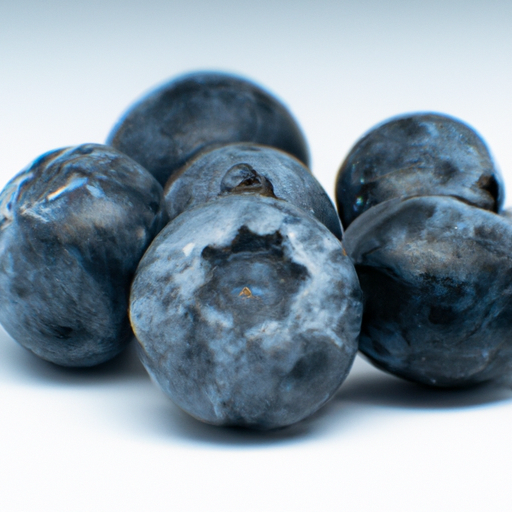
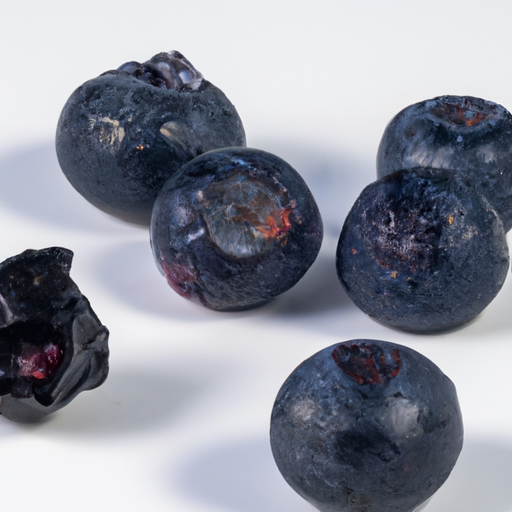
May be safe if properly stored and showing no spoilage signs. Check carefully before consuming.
Get a yes / no answer for your blueberries →
Fridge
32-39°F (0-4°C)
Store unwashed in a perforated container
Proper airflow and humidity control can extend produce freshness. Using produce storage containers (Amazon) in the refrigerator helps regulate moisture and slow spoilage.
5 days
Mold, Discoloration, Unpleasant Odor
Smoothies, Salads, Baking
Frozen blueberries
Over time, fresh blueberries will start to degrade in quality due to enzymatic activity and moisture loss. While they may remain safe to eat past their prime, the texture may become mushy, and the flavor less vibrant. The best quality blueberries are firm, plump, and have a deep color. It's important to distinguish between expiration, which indicates safety concerns, and best quality, which refers to optimal taste and texture.
To determine if blueberries have gone bad, look for any mold growth, mushy or wrinkled texture, or a sour or off-putting smell. Fresh blueberries should have a plump, firm texture, vibrant color, and a sweet, fruity smell. If you notice any signs of spoilage, it's best to discard them to avoid any potential health risks.
Blueberries Fresh can pose a risk of foodborne illness if not handled correctly. The main pathogens associated with fresh blueberries include Salmonella and Norovirus. To reduce the risk of foodborne illness, always wash blueberries thoroughly before consumption, especially if eating them raw. High-risk scenarios involve cross-contamination with raw meat or poultry juices, so ensure proper separation during meal preparation.
To extend the shelf life of fresh blueberries, store them unwashed in a breathable container in the refrigerator. Avoid sealing them in airtight bags, as moisture buildup can lead to mold growth. For long-term storage, consider freezing blueberries in a single layer on a tray before transferring them to a freezer-safe bag. This method preserves their flavor and texture for later use.
Blueberries hold a special place in Native American culture, with some tribes considering them a sacred fruit. They were used for medicinal purposes and as natural dyes. In the United States, blueberries are celebrated with annual festivals, such as the National Blueberry Festival in Michigan. Blueberries are also known as 'brain berries' due to their potential cognitive benefits.
Blueberries Fresh can be safely consumed if left at room temperature for a few hours, provided there are no visible signs of spoilage such as mold, unusual odors, or texture changes. However, for optimal freshness and quality, it's recommended to store them in the fridge to prolong their shelf life.
When Blueberries Fresh are frozen, the texture may change slightly upon thawing. They may become slightly softer due to the cell structure breaking down during freezing. However, frozen blueberries are still great for use in smoothies, baked goods, or jams. To minimize texture changes, consider flash freezing them before storing in airtight containers.
While the quality and freshness of Blueberries Fresh can vary by brand, the general shelf life of blueberries remains around 5 days when stored in the fridge. Some brands may prioritize quicker delivery, which could potentially extend the shelf life marginally. It's always best to check the 'Best By' date on the packaging for specific brand recommendations.
Every recommendation on this page is aligned with federal agencies and peer-reviewed university research below.
Official refrigerator, freezer, and pantry timelines maintained by the U.S. Department of Agriculture.
Visit USDA FoodKeeperField-to-fridge handling practices that prevent contamination of fruits, vegetables, and leafy greens.
Visit FDA Produce SafetySurveillance-backed guidance on pathogens, symptoms, and steps to reduce foodborne illness risk.
Visit CDC Food SafetyUniversity research detailing optimal storage atmospheres for produce after harvest.
Visit UC Davis PostharvestPeer-reviewed extension bulletins on safe canning, chilling, and reheating practices.
Visit Penn State ExtensionImportant: These are general guidelines based on authoritative sources listed above. Always use your best judgment and when in doubt, throw it out.
Disclosure: As an Amazon Associate, we earn from qualifying purchases. This helps support our site and allows us to continue providing free food safety information.