USDAOfficial guidance
USDA FoodKeeper – Cold Storage Guidelines
Official refrigerator, freezer, and pantry timelines maintained by the U.S. Department of Agriculture.
Visit USDA FoodKeeperLast reviewed: January 2026
Reviewed by the Can I Eat Expired Editorial Team using official USDA, FDA, and CDC food safety guidance. How we assess food safety risk
This food is often safe when handled and stored properly, but safety depends on how it's been kept and whether any spoilage signs are present.
⏱️ Safe for up to 14 days after expiry if properly stored and showing no spoilage signs.
Storage temperature, how long it has been opened, and package integrity change the answer — and those details are easy to miss.
Get a yes / no answer for your beaufort cheese un →
Check Your Exact Situation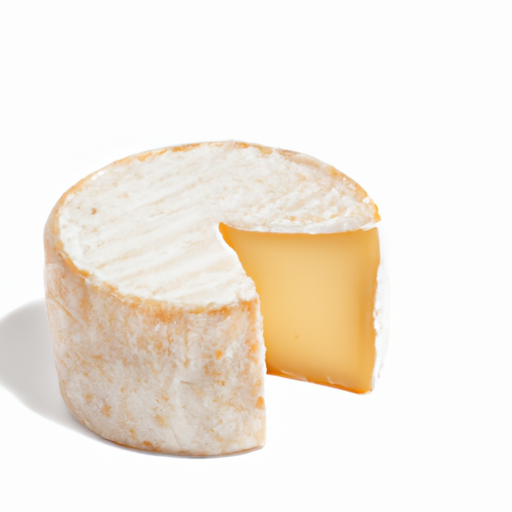
Fridge
34-40°F (1-4°C)
Keep in original packaging until ready to use. Store in cheese drawer or crisper.
Dairy products require consistent cold storage (40°F or below) to prevent spoilage. A refrigerator thermometer (Amazon) helps ensure your refrigerator maintains safe temperatures.
60 days
180 days
Unusual mold growth, off odor, slimy texture
Transferring opened dairy into an airtight container (Amazon) can reduce odor absorption and moisture exposure.
Fondue, cooking, cheese boards
Gruyere, Comte, Emmental
The expiration date on Beaufort cheese indicates the last date by which the cheese is expected to be consumed for food safety reasons. However, Beaufort cheese is known to improve with age, developing more complex flavors and textures. Therefore, the best quality of Beaufort cheese may extend well beyond the expiration date, especially if the cheese is properly stored.
To determine if unopened Beaufort Cheese has gone bad, look for any mold growth on the surface, a strong unpleasant odor, or any slimy or discolored patches. Fresh Beaufort Cheese should have a firm texture and a mild, nutty aroma. If you notice any of these signs, it's best to discard the cheese to avoid consuming spoiled food.
Beaufort cheese, like other dairy products, can pose a risk of foodborne illnesses if not properly handled and stored. It is crucial to maintain proper temperature control to prevent the growth of harmful bacteria such as Listeria monocytogenes. Pregnant women, young children, the elderly, and individuals with weakened immune systems should be particularly cautious when consuming unpasteurized Beaufort cheese.
To store unopened Beaufort cheese, it is best to keep it in the original packaging or wrap it tightly in parchment paper or wax paper, followed by plastic wrap or aluminum foil to prevent it from drying out. Store the cheese in the refrigerator at a temperature of around 35-45°F (1-7°C) to maintain its quality. Avoid storing Beaufort cheese in the freezer, as it can negatively impact the texture and flavor of the cheese. Before serving, allow the cheese to come to room temperature for optimal flavor and texture.
Beaufort cheese is a French cheese that has been produced in the Alps for centuries. It is one of the oldest and most famous cheeses in France, with a protected designation of origin (PDO) status. Beaufort cheese is traditionally made from raw cow's milk and aged for a minimum of five months, but some varieties are aged for up to 18 months, resulting in a richer and more intense flavor.
Once Beaufort Cheese Unopened is opened, it's best consumed within 7-10 days to enjoy its optimal flavor and texture. Properly reseal it in an airtight container or wrap it tightly in plastic wrap to maintain freshness.
Beaufort Cheese Unopened is safe to eat if left at room temperature for a short period, such as a few hours. However, for best quality and to avoid any risk, it's recommended to store it back in the fridge if it has been at room temperature for an extended time.
The type of container can impact the shelf life of Beaufort Cheese Unopened. Opt for airtight containers or sealable bags to prevent exposure to air which can lead to quicker spoilage. Keep it away from strong-smelling foods to avoid flavor transfer.
Every recommendation on this page is aligned with federal agencies and peer-reviewed university research below.
Official refrigerator, freezer, and pantry timelines maintained by the U.S. Department of Agriculture.
Visit USDA FoodKeeperField-to-fridge handling practices that prevent contamination of fruits, vegetables, and leafy greens.
Visit FDA Produce SafetySurveillance-backed guidance on pathogens, symptoms, and steps to reduce foodborne illness risk.
Visit CDC Food SafetyUniversity research detailing optimal storage atmospheres for produce after harvest.
Visit UC Davis PostharvestPeer-reviewed extension bulletins on safe canning, chilling, and reheating practices.
Visit Penn State ExtensionImportant: These are general guidelines based on authoritative sources listed above. Always use your best judgment and when in doubt, throw it out.
Disclosure: As an Amazon Associate, we earn from qualifying purchases. This helps support our site and allows us to continue providing free food safety information.