USDAOfficial guidance
USDA FoodKeeper – Cold Storage Guidelines
Official refrigerator, freezer, and pantry timelines maintained by the U.S. Department of Agriculture.
Visit USDA FoodKeeperLast reviewed: January 2026
Reviewed by the Can I Eat Expired Editorial Team using official USDA, FDA, and CDC food safety guidance. How we assess food safety risk
Storage conditions, initial freshness, and proper handling change the answer — and those details are easy to miss.
Get a yes / no answer for your baijiu chinese sorghum liquor →
Check Your Exact SituationThis food is often safe when handled and stored properly, but safety depends on how it's been kept and whether any spoilage signs are present.
⏱️ Safe for up to 3650 days after expiry if properly stored and showing no spoilage signs.
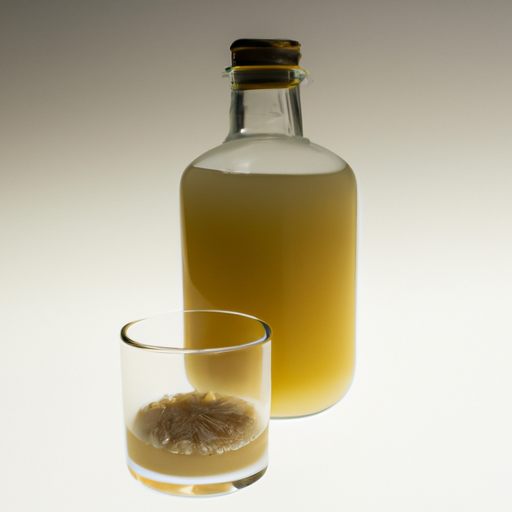
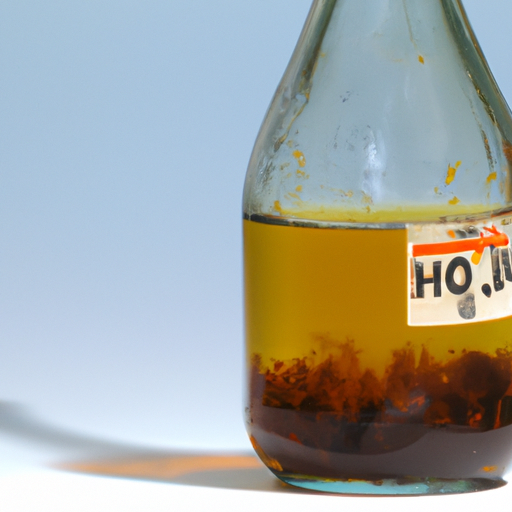
Pantry
Room temperature
Store in a cool, dark place
After opening, beverages can lose carbonation or absorb odors. Transferring to an airtight bottle or container (Amazon) can help preserve freshness and flavor.
3650 days
Extreme cloudiness, sour smell (beyond normal)
Use in traditional Chinese celebrations
Vodka, sake
Unlike perishable food items, Baijiu Chinese Sorghum Liquor does not have a strict expiration date. However, its quality can deteriorate over time. The flavor profile of Baijiu can change as it ages, with some varieties becoming smoother and more complex, while others may lose their original characteristics. For the best quality drinking experience, it is recommended to consume Baijiu within 1-3 years of purchase, although some high-quality Baijiu can be aged for much longer.
To determine if Baijiu Chinese Sorghum Liquor has spoiled, look for any changes in color, such as darkening or cloudiness. Check for any unusual or off-putting odors, like a musty or vinegar-like smell. Additionally, if you notice any unusual texture changes, such as sediment or sliminess, it may be an indication that the liquor has gone bad and should not be consumed.
Baijiu Chinese Sorghum Liquor is a distilled spirit with a high alcohol content, typically ranging from 40% to 65% ABV (alcohol by volume). As with any alcoholic beverage, overconsumption can lead to alcohol poisoning and other health risks. It is important to consume Baijiu in moderation and be aware of your alcohol tolerance. Additionally, as Baijiu is often consumed neat (without mixers), it can be easy to underestimate the amount consumed, leading to potential intoxication.
To maintain the quality of Baijiu Chinese Sorghum Liquor, it is important to store it properly. Keep the bottle in a cool, dark place away from direct sunlight and heat sources, as exposure to light and high temperatures can alter the flavor of the liquor. Seal the bottle tightly after each use to prevent evaporation and oxidation. It is also recommended to store Baijiu upright to minimize contact with the cork or cap, which can degrade over time. If storing for an extended period, consider transferring the Baijiu to a glass container with airtight seals to further protect its quality.
Baijiu is deeply ingrained in Chinese culture and is often referred to as the national drink of China. It has a history dating back thousands of years and holds a significant place in Chinese social and ceremonial occasions. Baijiu is traditionally distilled from sorghum, although modern variations may use other grains like rice, wheat, or corn. The production and consumption of Baijiu are often accompanied by elaborate rituals and toasts, symbolizing friendship, respect, and celebration.
It is safe to store Baijiu Chinese Sorghum Liquor next to other types of alcohol as long as the bottles are securely closed to prevent any cross-contamination of flavors. Avoid storing it next to strong-smelling spirits that might affect its aroma.
Exposure to sunlight can negatively impact the quality of Baijiu Chinese Sorghum Liquor over time by causing changes in flavor and color. It's best to store it in a cool, dark place to preserve its taste and aroma for a longer period.
The material of the bottle can impact the shelf life of Baijiu Chinese Sorghum Liquor. Opt for bottles made of glass or ceramic to prevent any interaction with the liquor that could affect its flavor. Plastic bottles may not offer the same protection against external factors.
Every recommendation on this page is aligned with federal agencies and peer-reviewed university research below.
Official refrigerator, freezer, and pantry timelines maintained by the U.S. Department of Agriculture.
Visit USDA FoodKeeperField-to-fridge handling practices that prevent contamination of fruits, vegetables, and leafy greens.
Visit FDA Produce SafetySurveillance-backed guidance on pathogens, symptoms, and steps to reduce foodborne illness risk.
Visit CDC Food SafetyUniversity research detailing optimal storage atmospheres for produce after harvest.
Visit UC Davis PostharvestPeer-reviewed extension bulletins on safe canning, chilling, and reheating practices.
Visit Penn State ExtensionStorage: Fridge
View guide →
Storage: Cool Dark Place
View guide →
Storage: Fridge
View guide →
Storage: Pantry
View guide →
Storage: Pantry
View guide →
Storage: Pantry
View guide →
Storage: Fridge
View guide →
Storage: Cool Dark Place
View guide →
Storage: Fridge
View guide →
Important: These are general guidelines based on authoritative sources listed above. Always use your best judgment and when in doubt, throw it out.
Disclosure: As an Amazon Associate, we earn from qualifying purchases. This helps support our site and allows us to continue providing free food safety information.