USDAOfficial guidance
USDA FoodKeeper – Cold Storage Guidelines
Official refrigerator, freezer, and pantry timelines maintained by the U.S. Department of Agriculture.
Visit USDA FoodKeeperLast reviewed: January 2026
Reviewed by the Can I Eat Expired Editorial Team using official USDA, FDA, and CDC food safety guidance. How we assess food safety risk
Storage conditions, initial freshness, and potential contamination change the answer — and those details are easy to miss.
Get a yes / no answer for your apples →
Check Your Exact SituationMay be safe if properly stored and showing no spoilage signs. Check carefully before consuming.
Fridge
32°F (0°C)
Keep in the crisper drawer wrapped in a paper towel to absorb excess moisture.
Proper airflow and humidity control can extend produce freshness. Using produce storage containers (Amazon) in the refrigerator helps regulate moisture and slow spoilage.
14 days
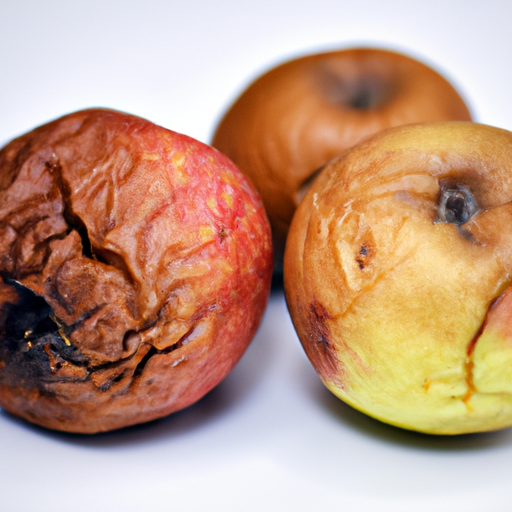
Wrinkled skin, mushy texture, sour smell
Salads, smoothies, pies
Pears, peaches
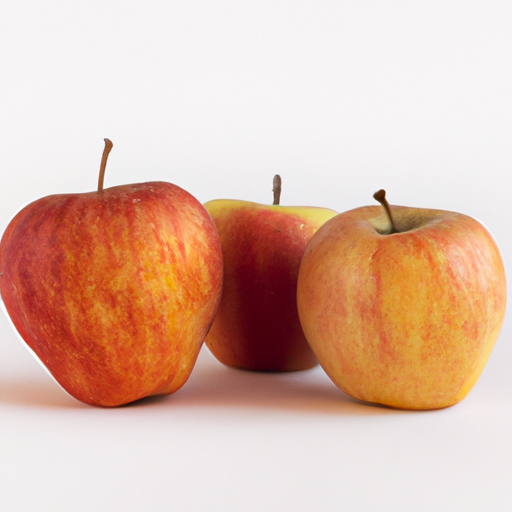
Apples can last for several weeks when stored properly in a cool, dark place. Over time, apples lose moisture and become softer, but they are still safe to eat. The flavor and texture may degrade, but they are still suitable for cooking or making sauces.
To tell if a whole apple has gone bad, look for any visible mold, dark spots, or wrinkled skin. Check for a strong sour or fermented smell. Press the apple gently - if it feels mushy or soft, it is likely spoiled.
Consuming contaminated apples can lead to foodborne illnesses caused by pathogens like Salmonella and E. coli. To minimize risks, always wash apples thoroughly before consumption, especially if eating the skin, and avoid consuming bruised or damaged apples.
To extend the shelf life of apples, store them in the refrigerator crisper drawer or in a cool cellar. Keep them away from other fruits like bananas, which emit ethylene gas that can cause apples to ripen faster. For sliced apples, prevent browning by soaking them in a mixture of water and lemon juice before refrigerating.
Apples are one of the oldest cultivated fruits, with a rich history dating back thousands of years. They hold cultural significance in various mythologies and traditions worldwide. Did you know that there are over 7,500 different types of apples grown globally?
Apples Whole should not be consumed if left at room temperature for 24 hours as they are perishable fruits. The risk of bacterial growth and spoilage increases significantly after this time. To ensure food safety, it's best to discard them if they have been left out for an extended period.
The type of container can impact the shelf life of Apples Whole. For example, storing them in a breathable bag or container can help maintain their freshness by allowing air circulation. Airtight containers can trap moisture, potentially leading to quicker spoilage. Opt for containers that allow some airflow to extend the shelf life of your apples.
It's not recommended to store Apples Whole next to raw meat in the fridge to prevent cross-contamination. Raw meat can potentially harbor harmful bacteria that may transfer to the apples, increasing the risk of foodborne illness. Always store raw meat in sealed containers or on separate shelves to maintain food safety.
Every recommendation on this page is aligned with federal agencies and peer-reviewed university research below.
Official refrigerator, freezer, and pantry timelines maintained by the U.S. Department of Agriculture.
Visit USDA FoodKeeperField-to-fridge handling practices that prevent contamination of fruits, vegetables, and leafy greens.
Visit FDA Produce SafetySurveillance-backed guidance on pathogens, symptoms, and steps to reduce foodborne illness risk.
Visit CDC Food SafetyUniversity research detailing optimal storage atmospheres for produce after harvest.
Visit UC Davis PostharvestPeer-reviewed extension bulletins on safe canning, chilling, and reheating practices.
Visit Penn State ExtensionStorage: Fridge
View guide →
Storage: Fridge
View guide →
Storage: Pantry
View guide →
Storage: Fridge
View guide →
Storage: Fridge
View guide →
Storage: Fridge
View guide →
Storage: Fridge
View guide →
Storage: Fridge
View guide →
Storage: Fridge
View guide →
Important: These are general guidelines based on authoritative sources listed above. Always use your best judgment and when in doubt, throw it out.
Disclosure: As an Amazon Associate, we earn from qualifying purchases. This helps support our site and allows us to continue providing free food safety information.