USDAOfficial guidance
USDA FoodKeeper – Cold Storage Guidelines
Official refrigerator, freezer, and pantry timelines maintained by the U.S. Department of Agriculture.
Visit USDA FoodKeeperStorage conditions, initial freshness, and proper handling change the answer — and those details are easy to miss.
Get a yes / no answer for your ajvar →
Last reviewed: January 2026
Reviewed by the Can I Eat Expired Editorial Team using official USDA, FDA, and CDC food safety guidance. How we assess food safety risk
This food is often safe when handled and stored properly, but safety depends on how it's been kept and whether any spoilage signs are present.
⏱️ Safe for up to 14 days after expiry if properly stored and showing no spoilage signs.
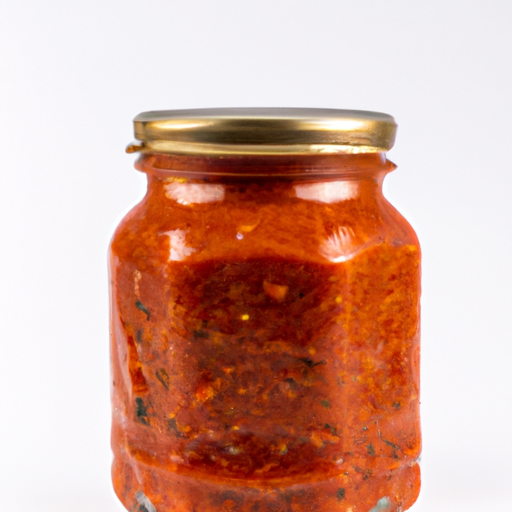
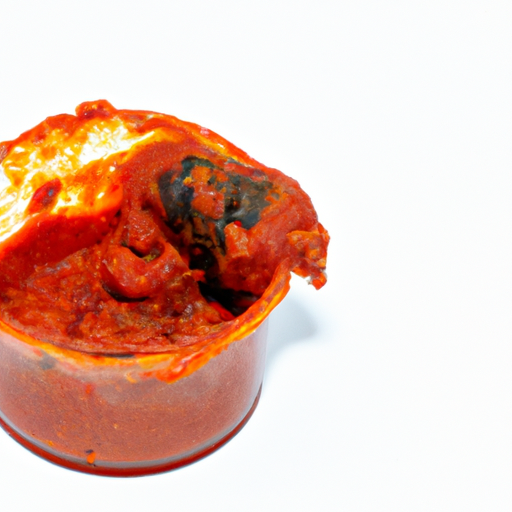
Fridge
0-4°C / 32-40°F (fridge)
Store Ajvar in an airtight container in the refrigerator to maintain freshness. Ensure the lid is tightly sealed after each use to prevent air exposure.
Spices lose flavor and potency when exposed to air and moisture. Keeping them sealed in an airtight spice container (Amazon) helps preserve flavor and prevent clumping.
30 days
90 days
Ajvar may develop an off smell, mold growth, or changes in color and texture. If any of these signs are present, discard the product.
Ajvar can be used as a dip, spread, or sauce. It pairs well with grilled meats, sandwiches, and as a topping for various dishes.
Roasted red pepper spread or baba ghanoush can serve as substitutes for Ajvar in recipes.
The dates are manufacturer guidance and not absolute safety indicators to consume but could lose flavor and quality.
To determine if Ajvar has gone bad, check for any signs of mold or unusual discoloration on the surface. It should smell fresh and somewhat tangy; if you detect a sour or off odor, it's best to discard it. Additionally, the texture should remain smooth; if it has become excessively watery or has developed a slimy consistency, it’s a sign that it’s no longer good to eat.
While Ajvar is generally safe, improper storage can lead to spoilage. Always refrigerate after opening and check for signs of spoilage. Avoid consuming if the product has an unusual odor or appearance.
To extend shelf life, consider freezing Ajvar in ice cube trays. Once frozen, transfer the cubes to a freezer bag for easy portioning in the future.
Ajvar is a traditional Balkan condiment made from roasted red peppers, eggplant, and spices. It is often served during festive occasions and is a staple in many households.
Once opened, Ajvar is best consumed within 30 days for optimal flavor and quality. However, it can still be safe to eat for up to 14 days past the expiration date if stored properly in the fridge. Always check for any signs of spoilage before consuming, especially after the 30-day mark.
If Ajvar has been left out at room temperature for 8 hours, it's advisable to discard it. While the risk level is low, prolonged exposure to warmer temperatures can increase the chance of bacterial growth, which could lead to foodborne illness.
Yes, the type of container can influence Ajvar's shelf life. It's best to keep it in an airtight container after opening to minimize exposure to air and moisture. Glass jars typically provide a better seal than plastic containers, helping to preserve freshness longer.
Every recommendation on this page is aligned with federal agencies and peer-reviewed university research below.
Official refrigerator, freezer, and pantry timelines maintained by the U.S. Department of Agriculture.
Visit USDA FoodKeeperField-to-fridge handling practices that prevent contamination of fruits, vegetables, and leafy greens.
Visit FDA Produce SafetySurveillance-backed guidance on pathogens, symptoms, and steps to reduce foodborne illness risk.
Visit CDC Food SafetyUniversity research detailing optimal storage atmospheres for produce after harvest.
Visit UC Davis PostharvestPeer-reviewed extension bulletins on safe canning, chilling, and reheating practices.
Visit Penn State ExtensionNeed deeper reading? Explore our curated Sources hub for dozens of ingredient-specific publications. Our food safety review methodology explains how safety determinations are made.
Dairy Products
View expiration date and storage guide →
Fruits & Vegetables
View expiration date and storage guide →
Beverages
View expiration date and storage guide →
Cooking Ingredients
View expiration date and storage guide →
Beverages
View expiration date and storage guide →
Fruits & Vegetables
View expiration date and storage guide →
Ready-to-Eat Meals
View expiration date and storage guide →
Dairy Products
View expiration date and storage guide →
Breakfast Foods
View expiration date and storage guide →
Important: These are general guidelines based on authoritative sources listed above. Always use your best judgment and when in doubt, throw it out. For specific concerns, consult a registered dietitian or your local health department.
Disclosure: As an Amazon Associate, we earn from qualifying purchases. This helps support our site and allows us to continue providing free food safety information.