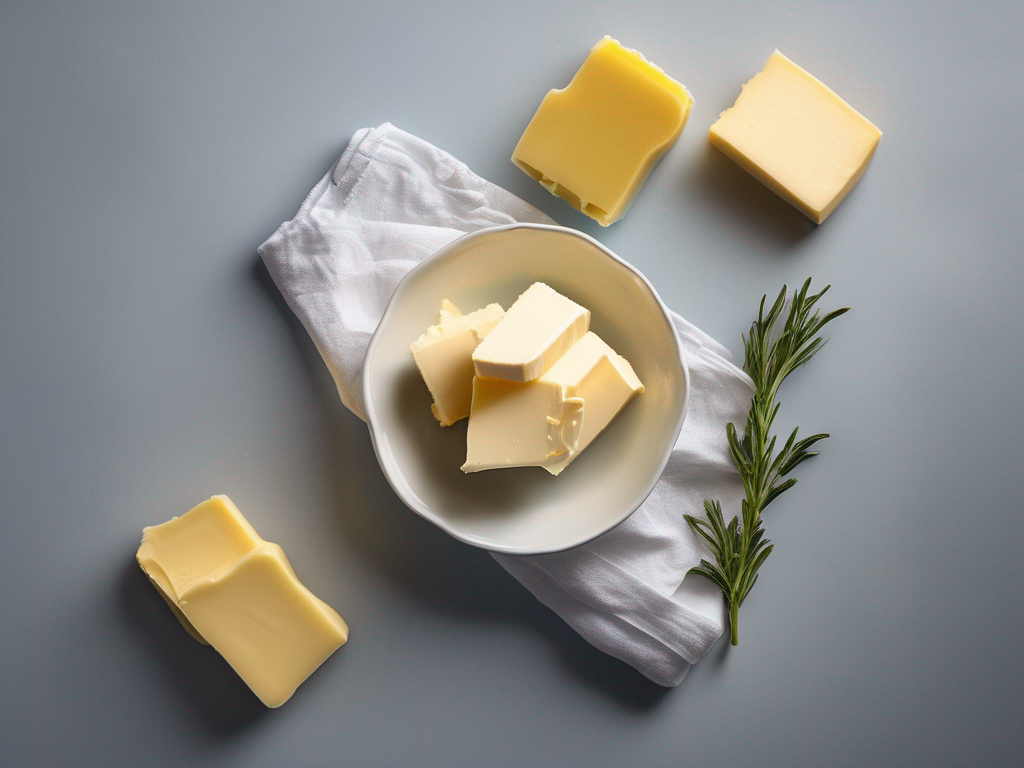
The Importance of Refrigerating Butter for Food Safety
The Importance of Refrigerating Butter for Food Safety
When it comes to preserving the freshness and quality of butter, refrigeration plays a crucial role. Butter is a dairy product that can quickly spoil if not stored correctly. In this blog post, we will delve into why butter needs to be refrigerated and how long it can stay fresh when stored properly. (Butter)
Why Does Butter Need to be Refrigerated?
1. Butter Composition
Butter is primarily made up of milk fat, water, and milk solids. The high fat content in butter makes it susceptible to rancidity and spoilage when exposed to heat and light.
2. Preventing Spoilage
Refrigeration helps slow down the growth of bacteria and mold that can cause butter to spoil. By keeping butter at a consistently cool temperature, you can extend its shelf life and maintain its quality.
Dairy products require consistent cold storage to prevent spoilage and bacterial growth. A refrigerator thermometer (Amazon) helps ensure your refrigerator maintains safe temperatures (40°F or below).
3. Retaining Flavor and Texture
Butter can absorb odors and flavors from other foods in the kitchen if left out at room temperature. Refrigeration helps preserve the delicate flavor and texture of butter.
4. Food Safety Concerns
Unrefrigerated butter can become a breeding ground for harmful bacteria such as Listeria and Salmonella. Storing butter in the refrigerator reduces the risk of foodborne illnesses.
How Long Can Butter Stay Fresh?
1. Unopened Butter
Unopened butter can typically stay fresh in the refrigerator for 1-3 months past the "best by" date on the packaging. The cold temperature helps inhibit bacterial growth and preserve the quality of the butter.
After opening, transferring dairy into an airtight container (Amazon) can reduce odor absorption, limit moisture exposure, and help slow bacterial growth.
2. Opened Butter
Once you open a package of butter, it is best to use it within 1-2 weeks for optimal freshness. However, properly stored butter can remain safe to eat for up to 1-3 months after opening.
3. Butter Quality
Over time, butter may develop off-flavors or become rancid due to exposure to air and light. It is essential to check the butter for any signs of spoilage, such as a sour smell or unusual discoloration.
Tips for Storing Butter Safely
To ensure your butter stays fresh and safe for consumption, follow these storage tips:
- Refrigerate: Always store butter in the refrigerator at a temperature below 40°F (4°C).
- Air-Tight Container: Keep butter in an air-tight container or wrap it in foil to prevent it from absorbing odors and flavors.
- Avoid Light Exposure: Store butter away from direct sunlight or bright lights to maintain its quality.
- Check Expiry Date: Pay attention to the expiration date on the butter packaging and use it before it expires.
- Butter Dish: If you prefer softer butter for spreading, use a butter dish designed to keep it at a safe temperature.
Conclusion
Refrigeration is essential for preserving the freshness and quality of butter while also ensuring food safety. By following proper storage practices and using butter within the recommended timeframes, you can enjoy this versatile ingredient in your cooking and baking endeavors. Remember, when in doubt, it's best to err on the side of caution and discard any butter that shows signs of spoilage. Butter is a staple in many kitchens, and by understanding how to store it correctly, you can make the most of this delicious dairy product. (Butter)

Authoritative Food Safety References
These agencies and university labs inform every tip and health precaution we publish.
USDA FoodKeeper – Cold Storage Guidelines
Official refrigerator, freezer, and pantry timelines maintained by the U.S. Department of Agriculture.
Visit USDA FoodKeeperFDA Produce Safety Rule & Grower Guidance
Field-to-fridge handling practices that prevent contamination of fruits, vegetables, and leafy greens.
Visit FDA Produce SafetyCDC Foodborne Illness Prevention Hub
Surveillance-backed guidance on pathogens, symptoms, and steps to reduce foodborne illness risk.
Visit CDC Food SafetyUC Davis Postharvest Technology Center
University research detailing optimal storage atmospheres for produce after harvest.
Visit UC Davis PostharvestPenn State Extension – Home Food Preservation & Safety
Peer-reviewed extension bulletins on safe canning, chilling, and reheating practices.
Visit Penn State ExtensionFrequently Asked Questions
Why is it important to refrigerate butter for food safety?
How long can butter be left out at room temperature before it becomes unsafe to eat?
Can I store butter in the refrigerator without affecting its taste or texture?
Is it safe to freeze butter for long-term storage?
How can I tell if butter has gone bad?
Disclosure: As an Amazon Associate, we earn from qualifying purchases. This helps support our site and allows us to continue providing free food safety information.